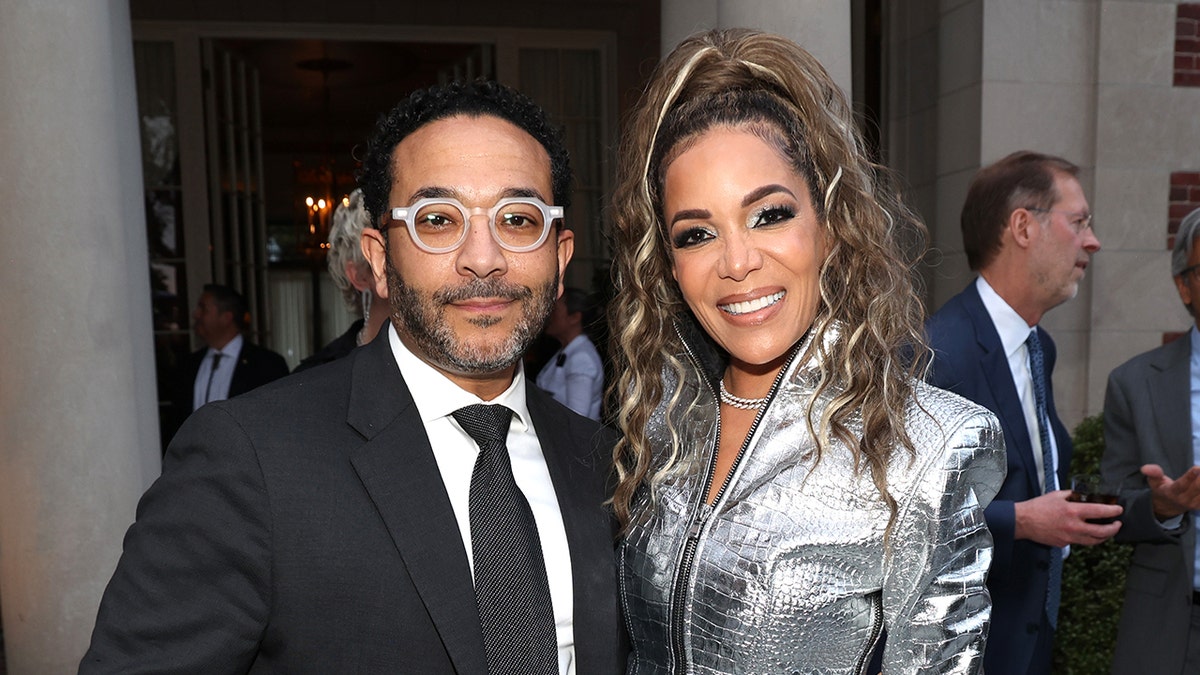
Sunny Hostin, co-host of ‘The View,’ recently opened up about her children’s experiences with racism while attending ‘predominantly White’ private schools. This conversation unfolded as Hostin discussed the comments made by 1619 Project founder and New York Times Magazine reporter, Nikole Hannah-Jones. Hannah-Jones expressed regret over her decision to enroll her daughter into predominantly Black, high-poverty public schools in Brooklyn to address educational inequality.
Hostin shared empathy with Hannah-Jones but highlighted the unique challenges faced by Black children in private schools with predominantly White students. She explained that her choice was different, having enrolled her children in a well-funded, private school.
“While my children excelled academically, they endured a different kind of hardship,” Hostin remarked. “They experienced psychological trauma and racism. Issues surrounding their identity arose, where bullying occurred. My daughter, proud of her afro, faced incidents where kids tried sticking pencils in her hair. Name-calling also happened, where she was called a ‘butter face,’ undermining her beauty.”
Although Hostin’s children did not struggle academically, unlike Hannah-Jones’ daughter, she voiced concerns about the systemic issues affecting non-White school districts. Hostin mentioned, “Schools in predominantly non-White districts receive $23 billion less in annual funding compared to their White counterparts. This is due to public school funding relying on property taxes.”
Attempts were made to contact ABC and Ethical Culture Fieldston School, where Hostin’s children were previously enrolled, but no response was received.
In a comment to Fox News Digital, Hannah-Jones emphasized the importance of focusing more on families lacking resources to secure better education for their children. “I hope concerns over my family’s choice will spark equal or more outrage regarding thousands of Black children whose parents lack resources for better educational opportunities,” stated Hannah-Jones.
Hostin aligned with Hannah-Jones, advocating for more public education attention towards Black children. The broader conversation remains on how to direct resources effectively to improve educational outcomes for marginalized communities.
Leave a Reply