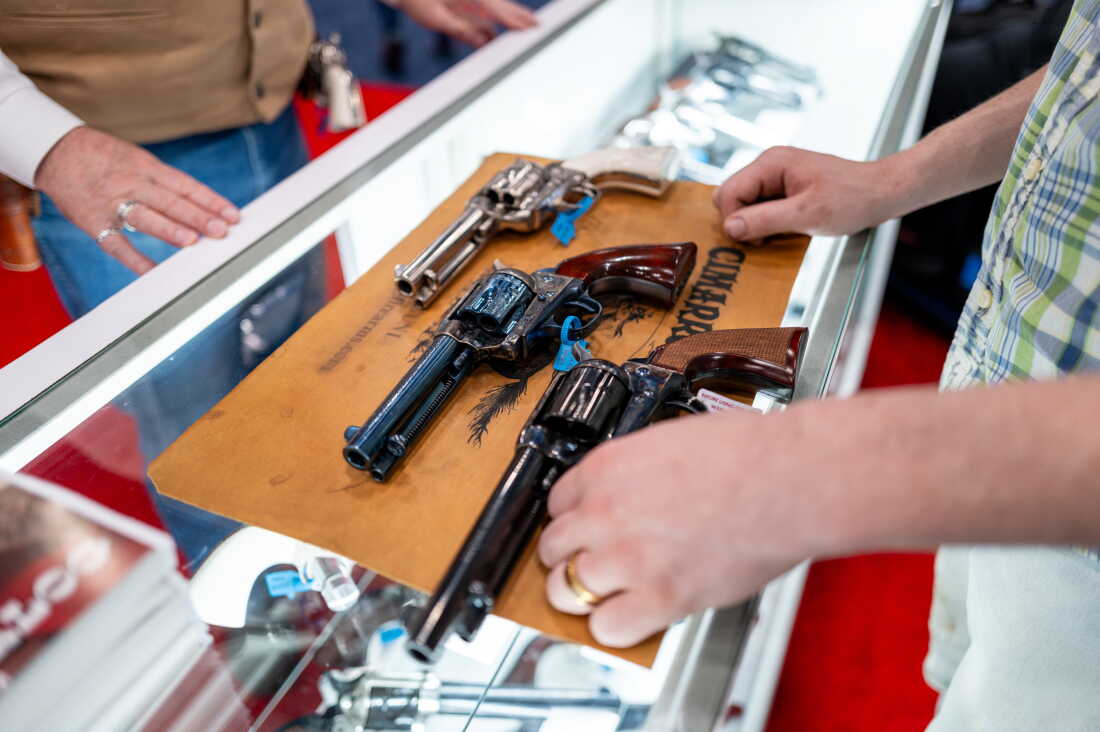
A new initiative from the Justice Department is reopening a pathway for some former felons to regain gun ownership rights. This initiative is managed by the Office of the Pardon Attorney and marks the first time such a program has been available since the Bureau of Alcohol, Tobacco, Firearms and Explosives ended its similar efforts in the 1990s. This development follows a past critical report closing the previous program due to concerns about safety and agency strain.
Program Details and Eligibility
This program specifically targets nonviolent offenders. Individuals convicted of serious crimes like rape or kidnapping are excluded. The initiative also bars those still incarcerated or awaiting sentencing. Applicants must submit comprehensive details about their conviction, including character references and fingerprints, and pay a $30 fee. The Justice Department anticipates around 330,000 applications annually. Evaluating these applications involves legal and administrative staff.
The decision-making process is designed to remain flexible, avoiding a single methodology. Initially, the DOJ will invite selected candidates who have previously expressed interest to apply. Subsequently, it will open applications to the general public in stages, starting with 5,000 applicants on November 4 and an additional 500 in January. Successful applicants will have their names published in the Federal Register.
Challenges with State Laws
There is a significant consideration regarding state legislation. Even if federal gun rights are restored, state laws might still prohibit firearm ownership. The DOJ advises individuals to consult relevant local authorities about state regulations.
Safety Concerns and Historical Context
The DOJ’s revival of the program stirs debate about safety. The 1992 report by the Violence Policy Center indicated concerns, as 69 of over 2,000 individuals who had their gun rights restored between 1985 and 1992 were rearrested for serious crimes.
Some experts perceive the renewed initiative as dangerous. Kristen Rand from the Violence Policy Center argues against it, deeming it a ‘taxpayer-funded guns-for-felons program.’ Conversely, clemency experts support offering former felons a second chance. NYU law professor Rachel Barkow suggests that the risk of future crimes by participants is low given typically low recidivism rates among those granted pardons.
Resource and Staffing Concerns
Executing this renewed program demands significant resources. The pardon office, already burdened by existing clemency cases, faces an enormous challenge. Estimates suggest up to 25 million Americans might be eligible. Liz Oyer, a former U.S. pardon attorney, indicates office resources are strained, with current staffing at less than half of what existed during her tenure.
Ed Martin, the former head of the pardon office, left to establish a gun rights group, while current DOJ staffing remains insufficient. With a caseload of approximately 16,000 requests, the Biden administration acknowledges the challenge. The DOJ has requested $16.5 million from Congress and plans to add 50 positions, including four specifically for this program. Approximately $4.8 million is allocated directly to support the gun rights restoration initiative.
Leave a Reply