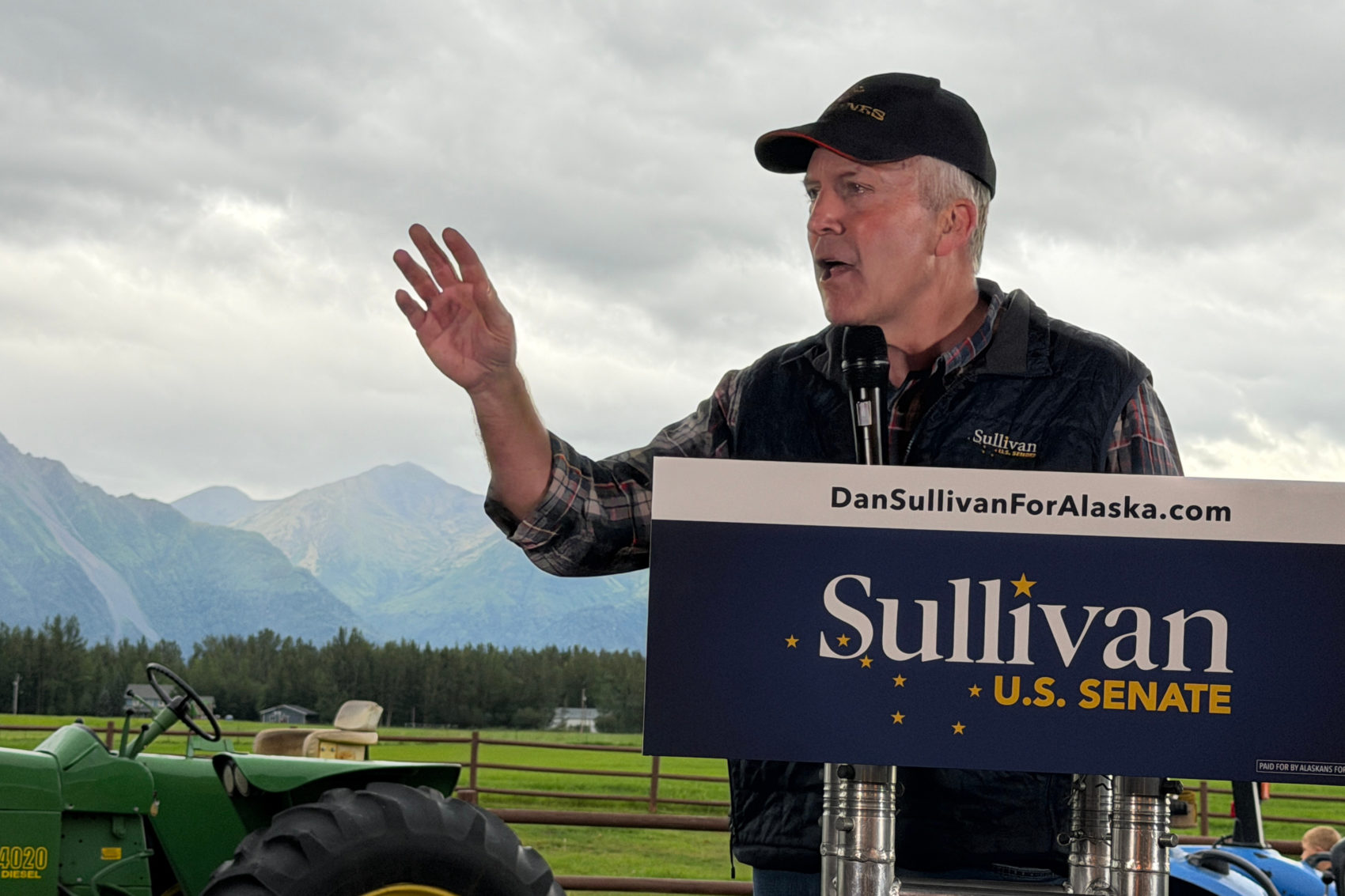
In Alaska, being accused of aligning with the “Lower 48” is a significant political insult. It suggests candidates prioritize interests from the contiguous United States over local concerns. In the U.S. Senate race, this theme is prominent as voters prepare for the upcoming November elections.
Republican Sen. Dan Sullivan has used this accusation against Democrat Mary Peltola, a former congresswoman. He associates her with “Lower 48 liberals” who oppose expanded oil and gas drilling. Alaska relies heavily on these industries. Peltola, who is of Alaska Native descent, pushes back. She highlights her opposition to former President Joe Biden, from her own party, to secure approval for the large Willow oil project in 2023. This project faced significant opposition from environmentalists. She emphasizes her willingness to challenge anyone, including Democrats and those from the “Lower 48,” who do not understand Alaska’s needs.
Peltola has stated her commitment to contest decisions she feels are not in Alaska’s best interest, asserting this both during her campaign and through public statements.
The term “Lower 48” underscores Alaska’s distinct identity. As a state for less than 70 years, Alaska is famed for its natural beauty and remote location. Many Alaskans pride themselves on independence and self-reliance, with communities accessible only by air or water.
Both major Senate campaigns and third-party groups focus on portraying their candidates as true champions of Alaskan values. Republican Andrew Halcro, a political podcast host and longtime resident, states, “We love the persona Alaska is a tough place to live.”
Alaska’s relationship with the federal government is complex, particularly concerning natural resources. Federal ownership of about 60% of Alaska’s land has led to conflicts over resource management. Under Democratic administrations like Obama’s and Biden’s, restrictions have been placed on logging and mining for environmental reasons. Meanwhile, Trump’s administration favored expanding oil and gas development, including lease sales in the Arctic National Wildlife Refuge.
Alaska’s tension with federal policies dates back to the Clinton administration, with disagreements over areas such as the Tongass National Forest. The state also contests the share of royalty revenue from federal land resources, arguing promises made at statehood were not upheld.
The issue of oil development remains critical. Alaska’s North Slope residents, like Darryl Hugo from Anaktuvuk Pass, see it as vital for their communities’ economy and infrastructure. These include health services and education facilities.
Debate over who truly represents Alaska continues in this election. Robert Sewell, an independent from Juneau, sees candidates like Peltola distancing themselves from national Democrats. Peltola did not endorse Democratic presidential nominee Kamala Harris and avoided seeking endorsements from outside Alaska.
Peltola, a Yup’ik Native, highlights her authenticity through her “Fish, Family, Freedom” campaign slogan and personal narrative. Her upbringing and Alaskan roots contrast with Sullivan’s, who moved from Ohio in the 1990s.
The SLF PAC supports Sullivan by questioning Peltola’s ties to national interests. They argue that Sullivan genuinely represents Alaskans, while Peltola’s campaign counters, calling out Sullivan’s connections to “Lower 48 special interests.”
Halcro points out the influence of such campaign materials but questions their effectiveness, as voters seem more interested in stability and practical governance.
Ensuring support for trusted journalism and civil dialogue is essential for a democratic society.
Leave a Reply