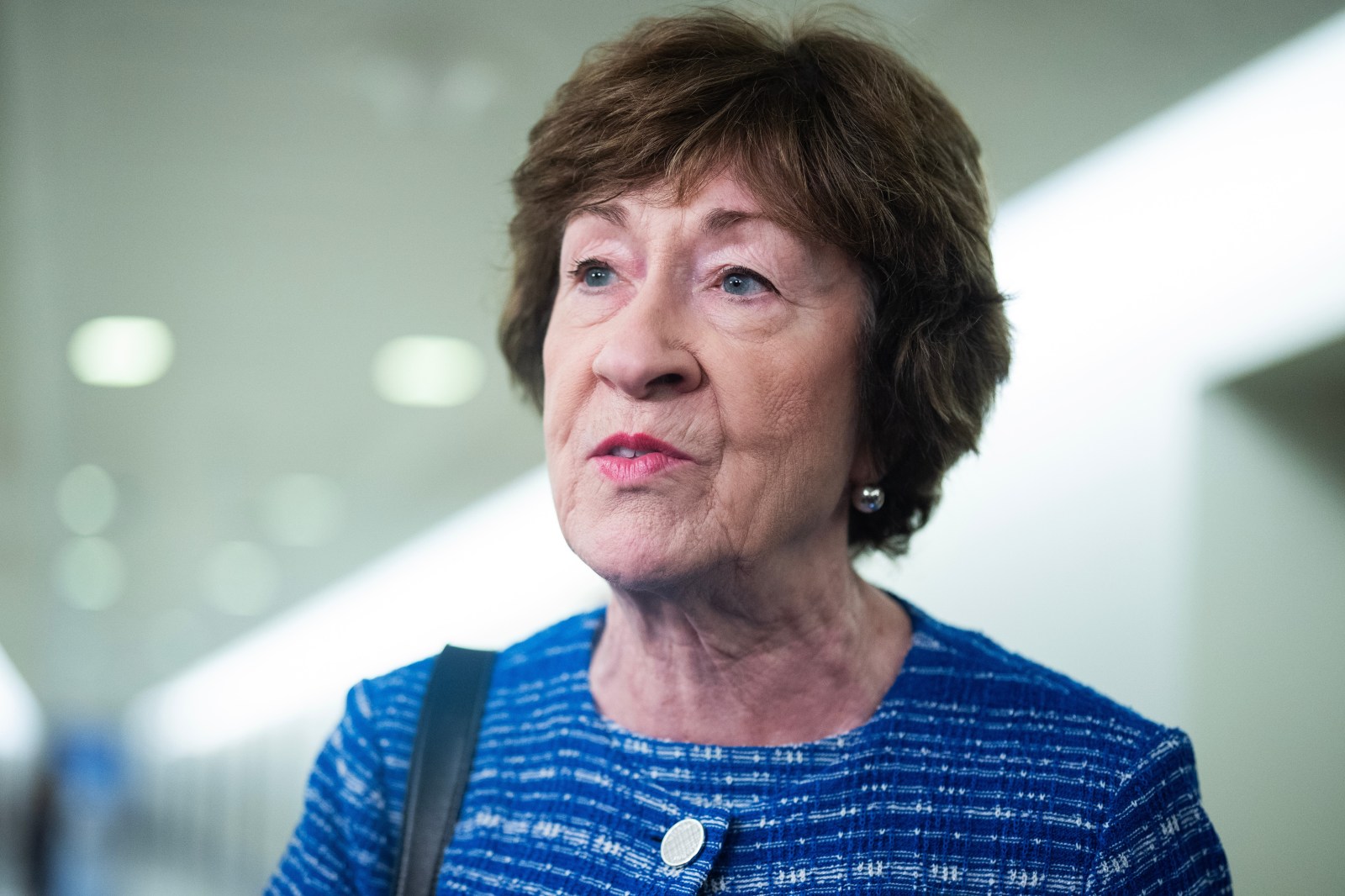
Senator Susan Collins faces a new challenge in her reelection bid due to a surge in home heating oil prices, reaching record highs before the 2026 midterm elections. Rising oil prices pose a significant hurdle for Republicans as they defend majorities in both the House and Senate, with just weeks to go before the elections.
Disruptions in the Strait of Hormuz, linked to the ongoing Iran conflict, have contributed to the increase in fuel prices. Collins encounters a specific difficulty in Maine, the state most dependent on home heating oil. Over half of Maine residents rely on oil as their primary heat source, according to the Northeast Gas Association. As winter approaches, steadily increasing prices burden residents financially as they decide on whether to reelect Collins.
The Maine Department of Energy Resources has noted statewide home heating prices averaging $6.02 per gallon last week, up from $3.33 per gallon a year ago. This figure surpasses the previous record of $5.92 per gallon set in May 2022 amid post-pandemic inflation.
According to Mark Brewer, a University of Maine political science professor, heating costs remain a critical concern in Maine’s long winters, even in years with moderate fuel prices. With prices projected to rise further, he suggests they will be a significant issue in the elections.
The Collins campaign has not yet commented on Newsweek’s inquiries about the impact of these prices on her reelection.
Heating Costs and Political Implications
Rising heating costs pose a threat to Collins’ campaign, as she contends with a close race against Democrat Troy Jackson, the former Maine Senate president. Affordability is a key concern for voters in Maine and nationwide.
The Iran conflict is unpopular, with Trump’s approval ratings dropping after military action against Tehran. As voters express dissatisfaction with rising costs linked to the war, Collins risks being associated with the fallout due to her party affiliation. Jackson and his supporters claim Collins enables Trump, potentially affecting her campaign.
Higher costs are evident in conservative regions like Northern and Central Maine, where prices average $6.05 and $6.09 per gallon. While Jackson may not win these areas, Brewer suggests he could erode Collins’ support by emphasizing heating costs.
Collins highlights her support for federal assistance through the Low-Income Home Energy Assistance Program (LIHEAP), which aids low-income households in Maine. Democrats publicly criticize her for allegedly backing policies that inflate energy costs and supporting Trump’s decisions leading to increased oil prices.
Cheyenne Gallivan, a Jackson spokesperson, stated that Collins passed measures benefiting foreign policy decisions and energy companies instead of Mainers. Gallivan emphasized Jackson’s commitment to lowering energy costs.
Collins and Maine’s independent Senator Angus King have urged Trump to tap into the Northeast Home Heating Oil Reserve to ease costs for Mainers.
Maine Senate Race Insights
Recent polling indicates a close contest between Collins and Jackson. A survey from The New York Times and Siena University shows Collins leading by three points, while other polls point to a Jackson lead.
Polls from the University of New Hampshire and the University of Massachusetts Lowell suggest Jackson leads by four to five points, respectively. Independent voters are crucial in Maine, with many still undecided.
The race is tightly contested, with both candidates tied in an InsiderAdvantage poll. Past polling inaccuracies, such as in Collins’ 2020 race, suggest that outcomes cannot be predicted solely on current data.
Electoral Impact and Upcoming Challenges
The 2026 Senate elections are pivotal for Democrats aiming to gain a majority. Republicans currently hold a 53-47 advantage. Democrats need to maintain their seats and secure Republican-held seats to win the majority.
Democrats view Maine as an opportunity to flip a Republican seat, along with targeting North Carolina and potentially conservative areas like Alaska and Texas. These races are classified as competitive by analysts like the Cook Political Report.
With Maine’s race classified as a tossup, the outcome remains uncertain. Prediction markets currently favor Jackson to win against Collins, giving him a 61 percent probability based on trading data.
As election day approaches, the competitive nature of Maine’s Senate race reflects broader national and state political dynamics.
Leave a Reply