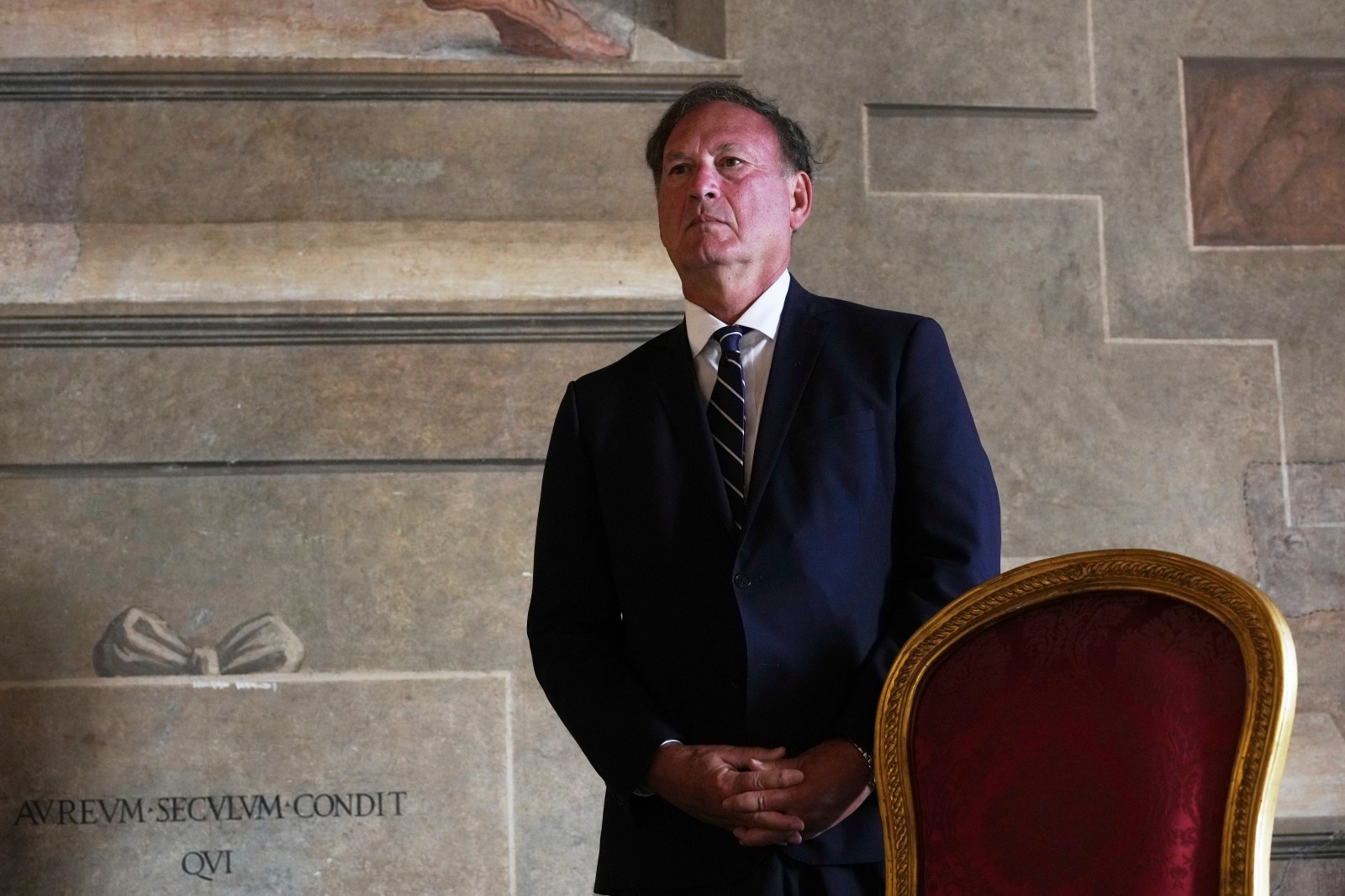
Recusal Impact on Climate-Change Case
U.S. Supreme Court Justice Samuel Alito has stepped aside from a major climate-change case set for argument next week. This change follows the court’s previous stance that he had no reason to recuse himself. Alito will not be involved in Suncor Energy v. County Commissioners of Boulder County, a crucial case that might influence numerous lawsuits aiming to hold oil and gas companies accountable for climate-related damages.
The move marks a significant shift, as NBC reported the court initially stated Alito didn’t need to withdraw despite an earlier recusal in connected proceedings. Newsweek contacted the Supreme Court for comments on Monday regarding this development.
Significance of the Case
This case is viewed as a pivotal climate-related dispute reaching the Supreme Court in recent years, potentially setting a precedent on whether state and local governments can pursue climate-damages lawsuits in state courts against fossil fuel companies. More than two dozen states, cities, and local governments have filed similar lawsuits seeking compensation for climate change impacts, according to Reuters.
Oil companies contend that these claims, governed by federal law, should not be allowed under state legal theories. The case has spurred discussions on Supreme Court ethics, with environmental groups and watchdogs questioning Alito’s participation due to financial interests in the energy sector.
With Alito’s recusal, the court now has eight justices, increasing the chance of a 4-4 split, which would uphold the lower court’s decision.
Details of the Lawsuit
Suncor Energy v. County Commissioners of Boulder County arises from a lawsuit filed by Boulder County, the City of Boulder, and San Miguel County, Colorado, against major energy firms including ExxonMobil and Suncor Energy. The local governments seek compensation for damages linked to climate change, such as costs from floods, droughts, wildfires, and other severe weather events.
The plaintiffs assert that fossil fuel companies have long been aware of climate risks tied to their products, deceiving the public about these dangers. Boulder County stresses it’s not aiming to regulate emissions or national energy policies but is focused on state-law claims for local damages.
According to Reuters, oil companies argue climate change should be addressed as a global issue under federal law, not state tort law. They assert federal authority over interstate emissions and energy policy should preempt the claims brought by Colorado’s local governments.
SCOTUSblog notes the Supreme Court isn’t asked to decide if fossil fuel companies caused climate change. Instead, they will consider if federal law overrides the plaintiffs’ state-law claims, a decision that could shape future climate-liability lawsuits nationwide.
Reasons for Alito’s Recusal
Alito’s recusal follows criticism from ethics watchdogs and climate advocacy groups. Reuters reported Alito initially recused from an earlier litigation stage because ConocoPhillips, a party involved, was among the court parties, and he owned stock in the company.
When the Supreme Court later agreed to hear the broader appeal, the court stated Alito had no financial interest in the parties involved and said he could participate. But the Center for Climate Integrity and Consumer Watchdog pushed for Alito to recuse, based on financial holdings and connections suggesting a conflict of interest. The groups mentioned Alito’s oil company investments, arguing they could influence the broader industry’s legal liabilities.
Environmental advocates questioned Alito’s planned participation after his earlier recusal from related proceedings. The Center for Climate Integrity, using analysis by Consumer Watchdog, argued Alito’s financial interests in oil firms like ConocoPhillips and Phillips 66 warranted stepping aside, as they could be impacted by climate-liability litigation. They noted these holdings and his previous recusal created perceived conflicts of interest, urging withdrawal to maintain public confidence in the court’s impartiality, according to the Center for Climate Integrity.
Leave a Reply