China’s Espionage Efforts Continue to Evolve
China’s espionage operations have become a significant concern for the United States. Since 2017, Chinese citizens and organizations have been legally required to aid the state’s intelligence efforts. This mandate follows the dismantling of a CIA spy network within China over a decade ago. Now, Beijing’s strategies are extending to American soil, demonstrating an escalation in resources and tactics.
Case Study: Christine Fang
Christine Fang, known as “Fang Fang,” fled the U.S. in 2015 amid an FBI investigation. Her case highlighted the age-old tactics of espionage—using sex, money, and power as tools. Fang attempted to influence rising political figures like former U.S. Congressman Eric Swalwell. Although she wasn’t successful, her activities underscore the persistent threat.
The Latest Incident: Wanying Zhang
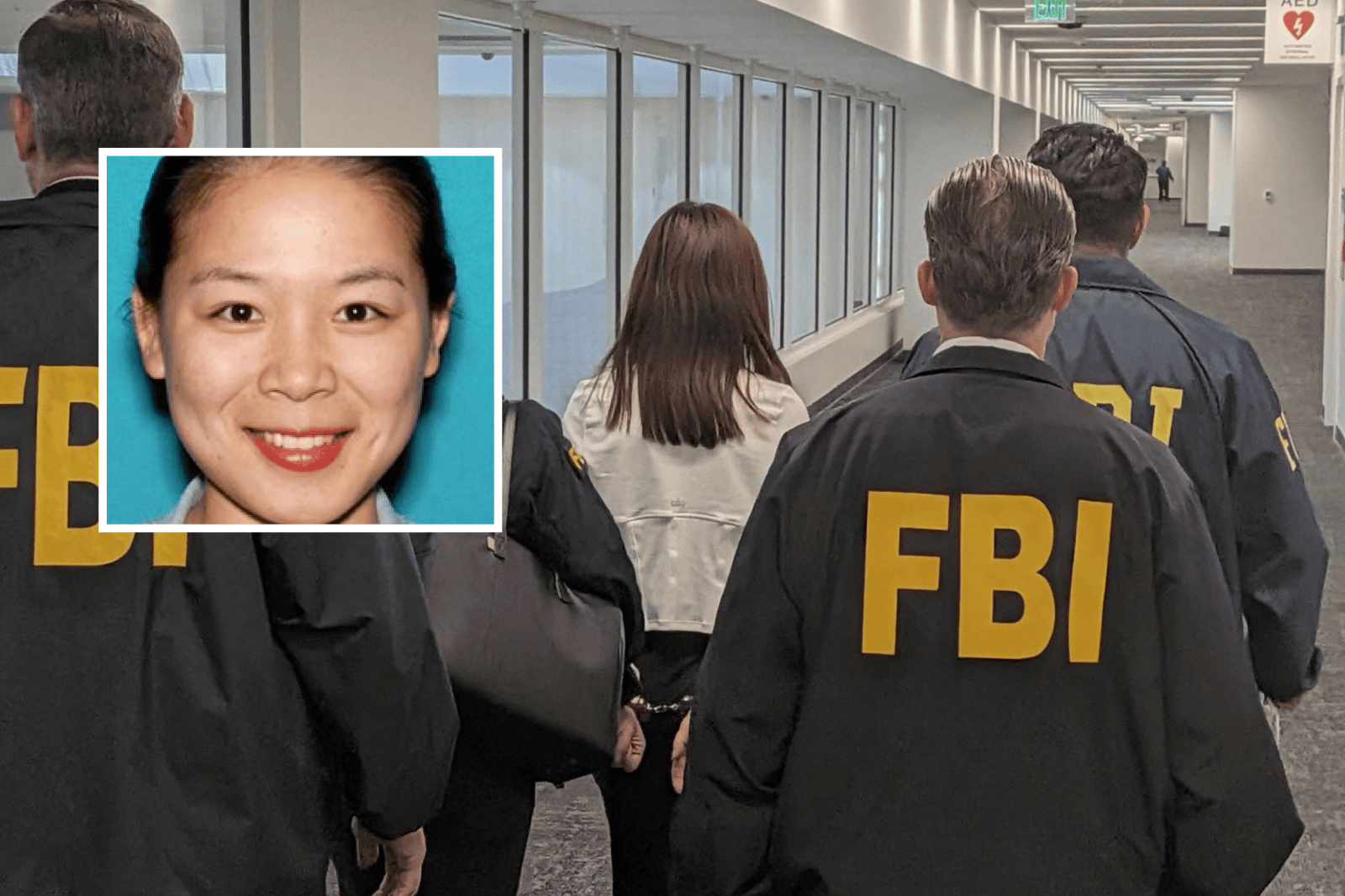
Recently, Wanying Zhang, a realtor in Orange County, was detained by the FBI at Los Angeles International Airport. The 34-year-old Zhang was accused of functioning as an unregistered agent for China. As a naturalized U.S. citizen, Zhang went to the same educational institution as Fang. FBI sources claim she was involved in a scheme targeting relatives of Taiwan’s president.
Senior FBI official Roman Rozhavsky described Zhang as a pawn in Beijing’s larger espionage game. This shows the allure of China’s intelligence operations, where even U.S. citizens feel compelled to participate.
Zhang’s Background and Allegations
Public records reveal Zhang originates from Hunan province, China. Before relocating to the U.S. in 2014, she sought fame as a contestant on a dating show. Zhang achieved a master’s degree in public administration from the University of Southern California in 2016, and her ambition was retirement by 40.
Her connection to Chinese intelligence services stems from her time at the University of International Relations in Beijing. This institution is infamously linked to China’s Ministry of State Security (MSS). FBI Special Agent Kevin Holt claims Zhang was recruited by a former classmate for missions concerning Taiwan’s political figures.
The Unfolding Plot
In September 2025, Zhang, along with another individual, traveled to Seattle. Their goal was to monitor relatives of Taiwan President Lai Ching-te, capturing images and data for her Chinese handler. Surveillance footage corroborated her actions, and evidence was further obtained from her digital accounts.
FBI Director Kash Patel commented on the situation, emphasizing the improbability of Zhang fleeing after her alleged surveillance activities.
Lai’s spokesperson labeled the incident as “transnational repression,” further illustrating the global dimensions of China’s espionage strategies.
Legal and Political Implications
Zhang faces charges as an unregistered foreign agent per 18 U.S.C. § 951. If convicted, she could face up to ten years in prison. The U.S. Attorney’s Office emphasizes her presumption of innocence until proven guilty.
While Christine Fang’s motivations linked to status and wealth, Zhang’s incentives remain uncertain. Despite Zhang’s alleged activities, China’s government denies knowledge of her case.
This episode highlights China’s strategic approach to espionage, leveraging non-traditional methods and exploiting individuals to gain information and exert influence.
Broader Consequences
China’s actions in relation to Taiwan are driven by clear motivations. Its ongoing attempts to undermine Taiwan’s military and political infrastructures reflect ambitions for territorial control. Defense analysts warn that losing Taiwan could severely impact U.S. national interests.
Agent Holt’s reports highlight how Beijing might utilize surveillance information for leverage in any potential conflict with Taiwan.
The U.S. struggles with addressing such espionage due to its unconventional nature, which often falls short of traditional legal statutes. Meanwhile, China continues to refine its strategies, ready to deploy new operatives at every opportunity.
Leave a Reply