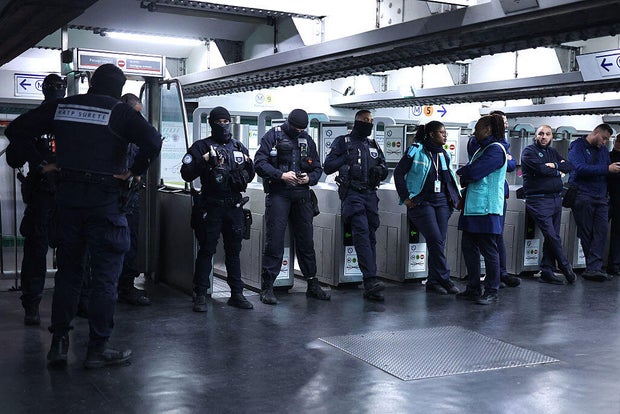
By October 20, 2026, French authorities extended curfews and increased police presence in public areas. This move comes as President Emmanuel Macron’s government tries to regain control after rioters torched buildings and looted businesses over the weekend. The unrest results from protests demanding better education and relief from rising living costs.
The demonstrations have continued for five weeks, driven by students and workers. The government’s challenge is compounded by mounting debt and a fragmented parliament, complicating even basic budget approvals. In an attempt to manage the situation, officials have implemented curfews around Paris’ Place de la République and Les Halles shopping district. Similar measures are in place in cities like Lyon, and more are expected.
Prime Minister Sébastien Lecornu promised a significant police deployment ahead of scheduled demonstrations on October 24. This followed acknowledgments by Interior Minister Laurent Nuñez, who admitted authorities underestimated recent unrest and lost control temporarily.
Justice Minister Gérald Darmanin announced that by Monday evening, more than 2,500 people had been placed into police custody due to violence. This violence included the burning of the historic town hall in Limoges, a city in central France.
Government Response to Protests
In response to recent events, President Macron differentiated between peaceful protests advocating for educational reform and employment conditions, and those committing acts of violence. He emphasized government willingness to address legitimate concerns while condemning unlawful behavior. Macron attributed much of the violence to “radical far-left groups” and other “criminal” elements, vowing accountability for those disrupting public order.
Protesters, including students, have been vocal about surging living costs and high fuel prices, protesting in cities like Lille amidst heavy police presence.
Economic and Political Challenges
The protests began in mid-September, initially driven by high school students and teachers demanding improvements in education. Issues such as overcrowded classrooms, deteriorating facilities, and teacher shortages spurred action. The movement has since expanded, attracting trade unions and Yellow Vest activists to address broader economic grievances.
In response, the Ministry of National Education announced plans to deploy over 3,000 substitute teachers in high-need high schools and authorized additional hires. However, comprehensive reforms face challenges due to financial constraints and political gridlock.
France’s public debt stood at nearly 3.6 trillion euros at the end of June, equating to 119% of the nation’s annual economic output. The government anticipates a 5.4% deficit of economic output this year, aiming to reduce it to 5% by 2027. Interest payments are forecasted to rise by 12 billion euros next year, reaching 91.2 billion euros. This financial strain limits resources allocated for public services.
Macron’s parliamentary support remains weak, complicating fiscal measures. This year’s budget was passed in February only after bypassing a final parliamentary vote, surviving two no-confidence motions. An Ipsos poll from October 7-8 indicated Macron’s approval rating at 15%. By comparison, far-right National Rally leader Marine Le Pen had support ranging from 33% to 35% in first-round voter intentions. As Macron cannot seek a third term, France will conduct presidential elections in April to elect his successor.
Leave a Reply