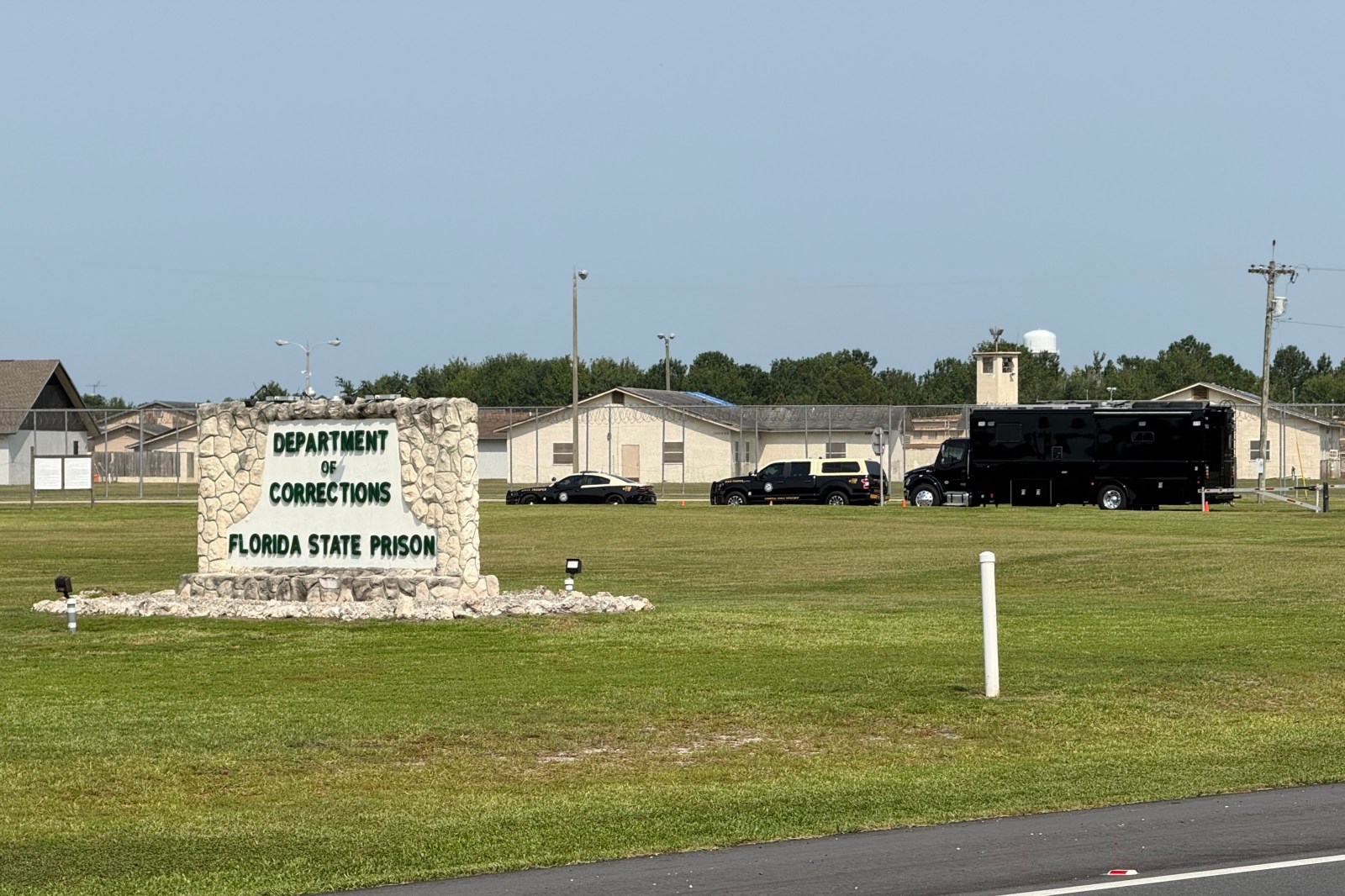
Florida executed a 77-year-old death row inmate on Tuesday, marking the state’s 18th execution of 2026. This contributes to a notable trend of elderly prisoners being put to death, as the state approaches its annual execution record. William Reaves, convicted of first-degree murder for the 1986 shooting of Indian River County sheriff’s deputy Richard Raczkoski, was pronounced dead at 6:12 p.m. following a three-drug lethal injection at Florida State Prison near Starke.
“Would we all be so lucky to be 77 years old and to die so peacefully? That’s not justice in any way, in my opinion,” stated Indian River County Sheriff Eric Flowers.
This statement was made during a press briefing after Reaves’ execution. Florida has executed 18 inmates this year under Governor Ron DeSantis, who has expedited the issuance of death warrants during his term. The state conducted a record 19 executions in 2025 and may match this if another scheduled execution proceeds in November. Reaves was the eighth Florida inmate aged 70 or older executed this year, highlighting concerns about the aging population on death row both in Florida and nationwide.
Data from the Death Penalty Information Center shows Reaves was sentenced to death 34 years before his execution. Several inmates executed this year spent nearly three decades or more on death row. Florida’s execution rate is a national outlier, with the state responsible for 18 of the 32 executions conducted in the United States this year.
Why Florida’s Death Row Inmates Are Getting Older
The execution schedule for multiple inmates in their 70s and one in their 80s this summer has reignited debate. The Associated Press reported these cases sparked discussion about whether elderly and frail inmates should be executed after decades of appeals. Supporters of capital punishment argue that extended appeals ensure constitutional protections and prevent wrongful executions. Opponents believe executing elderly inmates raises humanitarian concerns and questions the punishment’s purpose.
Research by the Death Penalty Information Center indicates that death row populations have aged significantly as appeals have lengthened. The organization previously noted a steady increase in the median age of executed inmates in recent decades.
Reaves’ Final Appeals
Reaves’ attorneys challenged Florida’s lethal injection protocol without success. They argued that jurors sentencing him to death were unaware that the U.S. Department of Veterans Affairs considered him 100 percent disabled due to service-related post-traumatic stress disorder from the Vietnam War. Over 100 military veterans petitioned Governor DeSantis to halt the execution, but no intervention occurred. Both the U.S. Supreme Court and the Florida Supreme Court declined to halt the execution.
Court records indicate that Raczkoski responded to a 911 call made by Reaves at a Vero Beach convenience store on September 23, 1986. During the encounter, a gun fell from Reaves’ clothing, leading to a struggle. As authorities reported, the deputy was attempting to flee when Reaves shot him four times. Raczkoski died from his injuries.
Marc Raczkoski, the deputy’s brother, told reporters his brother had finally received justice after witnessing the execution. Sheriff Flowers, however, described it as closure instead of justice. Florida is set to execute Jesse Guardado on November 5. If carried out, the state will equal last year’s record of 19 executions.
Newsweek’s reporters and editors utilized Martyn, an AI assistant, in producing this story.
Contact Newsweek editors: Steven Frank and Edward T. Cummins.
Leave a Reply