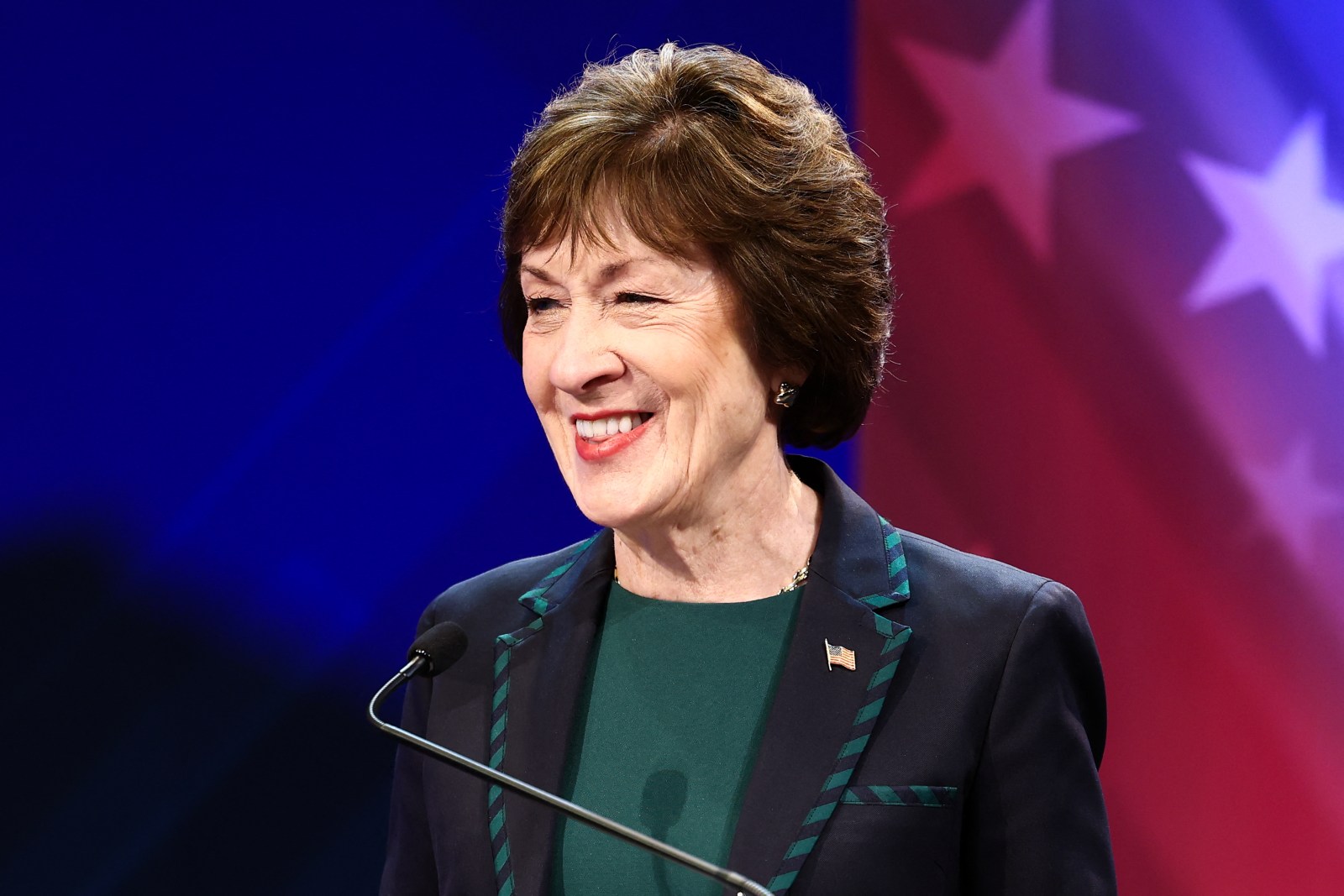
The Maine Senate race between Republican Senator Susan Collins and Democratic challenger Troy Jackson may hinge on voters who have historically supported Collins, yet backed Vice President Kamala Harris in the 2024 election. These ticket-splitters could significantly influence the outcome in Maine, a decisive battleground for Senate control in the November 3 elections.
Maine traditionally leans Democratic, but Collins has been successful in past elections due to her widespread popularity and moderate stance. However, with former President Donald Trump’s unpopularity affecting the Republican landscape, Democrats see Collins as vulnerable.
Collins is the only Republican senator in a state won by Harris in 2024, representing a unique political anomaly. midterm dynamics further pose challenges as turnouts often favor the non-presidential party. Collins must attract a considerable number of Harris voters to secure her seat this year.
Pro-Choice Women: A Key Demographic
Pro-choice women, who have previously supported Collins, might reconsider following her vote to confirm Justice Brett Kavanaugh. His decision to overturn Roe v. Wade has shifted voter perspectives. James Melcher, a political science professor, noted how Collins’ 2020 margin reduction from 2014 indicated waning Democratic and independent support.
Ticket-splitters, individuals who vote across party lines, play a crucial role in Maine this year. Collins must win these voters, especially those supporting Democrat Hannah Pingree in the gubernatorial race. Current polls heavily favor Pingree over Republican Bobby Charles and independent Rick Bennett.
“Jackson would need to highlight his accomplishments in Maine state government, which he hasn’t emphasized yet,” noted Mark Brewer, a professor at the University of Maine.
Independents and Women: Crucial Voter Blocs
Independent voters remain divided in this Senate race, while Pingree appears to lead comfortably in the gubernatorial race. A YouGov/CBS News poll showed Jackson leading with independents by 7 points, while Pingree led by 19 points.
Women, a pivotal voting bloc, can affect the outcome significantly. Despite winning women by a small margin in 2020, Collins is now trailing Jackson among female voters. Polling shows her performing better than other Republicans, yet struggling to secure undecided moderate women who typically vote Democratic.
Polling Insights
Polling indicates a highly competitive race. A Suffolk University poll recently gave Jackson a narrow 2-point lead. Another poll by The Washington Post and George Mason University showed Jackson ahead by 4 points. Historical polling inaccuracies in 2020 add uncertainty to current predictions, yet forecasters still classify the race as a toss-up.
National Stakes of the Maine Senate Race
The national implications of the Maine Senate race are substantial. Republicans hold a 53-47 Senate majority. Democrats need to flip four seats for control if Vice President JD Vance breaks a tie. Maine remains a top target for Democrats to gain a seat, vital to their broader strategy for Senate majority control.
Prediction Markets
Prediction markets on platforms like Kalshi and Polymarket show Jackson slightly ahead. These markets aggregate real money wagers into probability estimates, reflecting current trader sentiment. The dynamic nature of these markets means prices shift based on polling, fundraising, and political trends.
Recent Developments
In recent debates, Collins and Jackson clashed, even facing interruptions from protesters. During financial disclosures, Jackson outpaced Collins in fundraising from the last quarter, despite remaining behind overall. Endorsements from key figures like former President Barack Obama highlight the race’s political prominence.
As absentee voting began on October 5, more than 70,000 absentee ballot requests have been recorded by October 2, indicating active voter participation. Polling stations in Maine open depending on town size, ensuring voter accessibility amid these competitive elections.
Leave a Reply