Election Misinformation and Disputes
Recent posts on X by Benjamin Netanyahu have stirred controversy with claims of election misinformation. A contentious post featured AI-generated imagery suggesting higher Arab voter turnout. These posts intend to incite concern among right-wing voters, according to critics. Experts point out that such messages aim to undermine trust in the electoral process.
Political Impact and Reactions
Yair Golan, leader of the Democrats Party, declared that voters have rejected Netanyahu’s government, highlighting a push for governmental change. Golan’s declaration followed preliminary election results showing a significant voter shift.
Preliminary Election Results
Initial election results reveal 26.50% of votes favoring Netanyahu’s Likud party, trailing closely behind an opposition bloc with 19.32%. These early results are not final but suggest a shift in voter sentiment.
High Voter Turnout
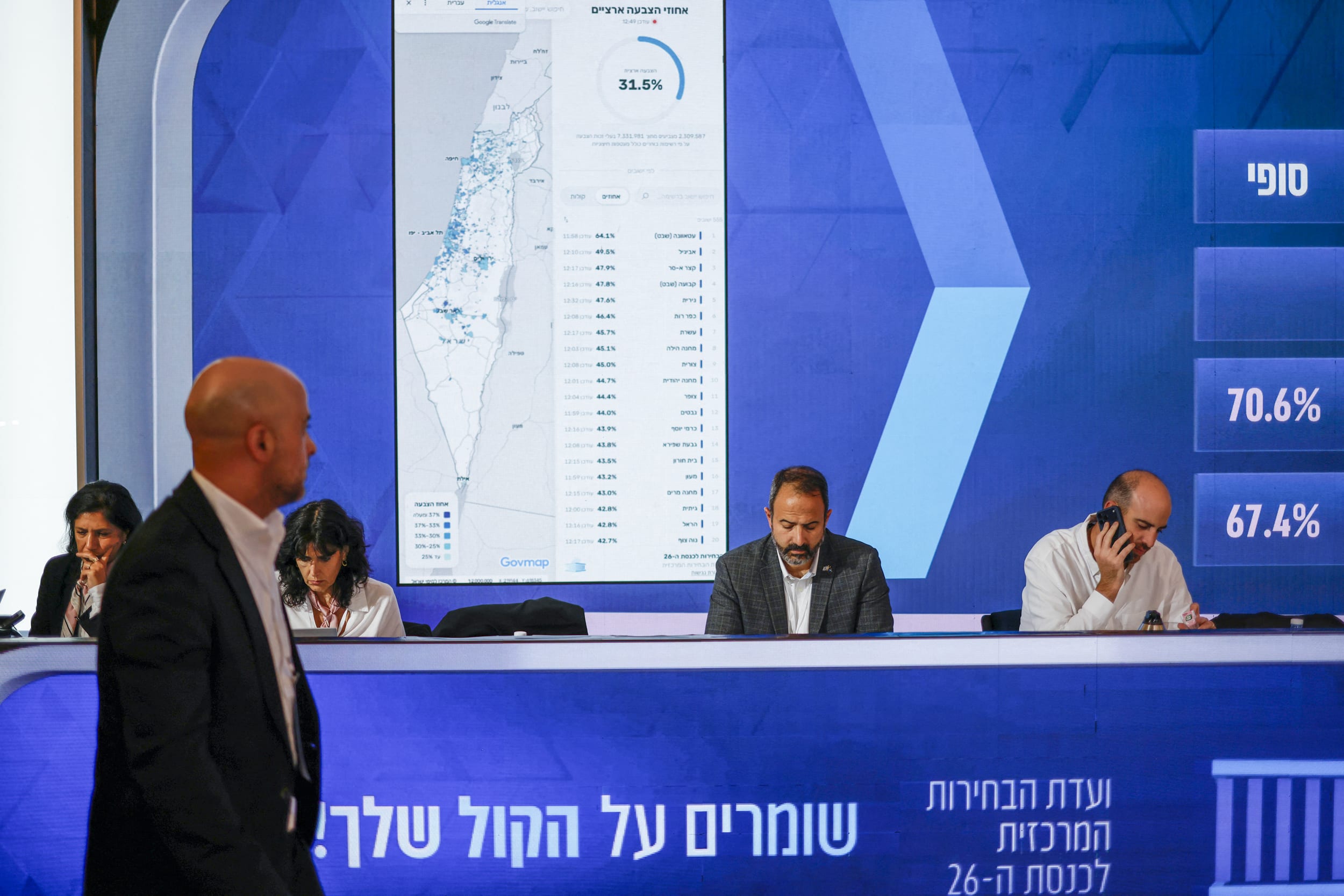
The Central Elections Committee reported a turnout of 77.7%, indicating the highest participation since 1999. This heightened engagement reflects the intense political climate and heightened stakes for many Israeli voters.
Election Process and Next Steps
The official election results are expected within eight days. President Isaac Herzog will then assign a Knesset member to form a government. These proceedings are crucial as Israelis seek stability and effective governance.
Reactions to Netanyahu and Eisenkot’s Campaigns
Netanyahu’s relationship with President Donald Trump played a significant role in his campaign. Supporters remain steadfast while opponents express concerns about international relations under his leadership.
Gadi Eisenkot, Netanyahu’s main rival, emphasizes accountability and change, drawing his support from dissatisfaction with current leadership and recent security crises.
Arab Voter Influence
Arab parties experienced high voter turnout, potentially influencing the election outcome. Increased participation highlights the importance of Arab voters in shaping Israel’s political landscape.
Security and Domestic Concerns
The aftermath of the October 7 attack remains a central issue. Netanyahu’s image as a security leader faces scrutiny, while broader societal issues such as cost of living and public services remain critical for voters.
Insights Into Voter Turnout Increase
Experts attribute the high voter turnout to the significant stakes and unresolved societal issues. This election is a crucial moment for Israeli citizens to voice their aspirations and concerns through the ballot.
Leave a Reply