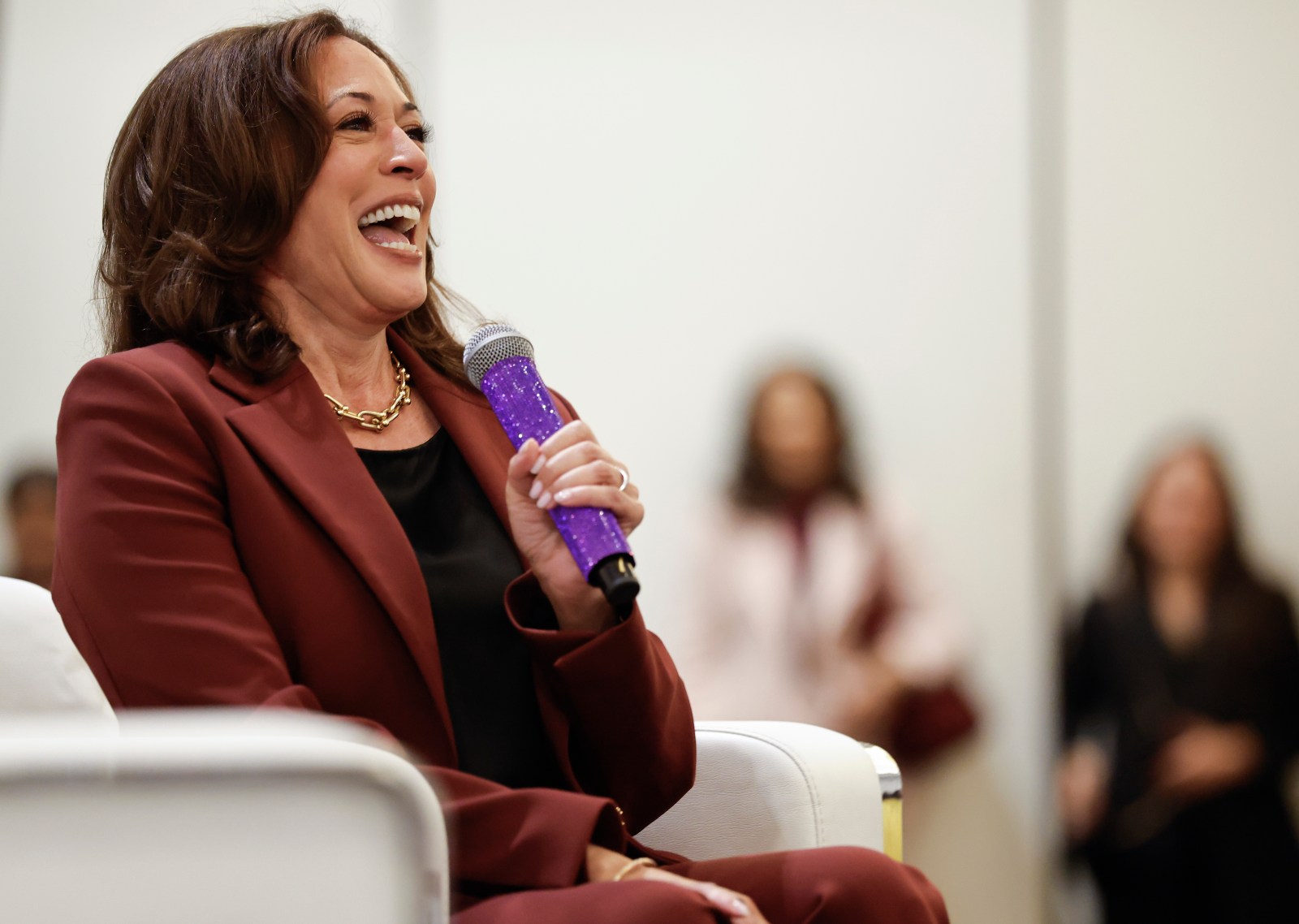
As midterm elections near, speculation is growing concerning potential contenders for the 2028 presidential race. Current polling suggests that Vice President JD Vance and former Vice President Kamala Harris could be prominent figures, as the possible candidates begin to define the landscape.
Potential Candidates Emerge
Following the midterms, the presidential field typically becomes clearer, with prospective candidates starting to campaign. Inquiries have thus far included Democratic Congresswoman Alexandria Ocasio-Cortez and California’s Governor Gavin Newsom. Even Donald Trump has commented on potential successors to his MAGA movement. Harris previously lost to Trump in the 2024 presidential race. Newsweek sought comments from both Vance and Harris regarding their potential candidacies.
What the Polls Indicate
A recent YouGov/Economist poll places Harris’s favorability slightly higher than that of Vance. This poll, conducted from October 23-26, 2026, surveyed 1,440 registered voters with a margin of error of 3%. Harris has a 43% favorability rating against a 54% unfavorable rating, contrasting with Vance’s 41% favorability and 53% unfavorable rating.
Initiatives after the midterms will ramp up instantly if the results impact party standings. Name recognition currently boosts the numbers for Harris and Vance. It’s too early to consider these polls concrete predictors, as real campaigns and primary results will reshape the field significantly.
A Harvard CAPS/Harris Poll from last month showed Harris with a 43% favorability and a 46% unfavorable rating. Vance stood with a 41% favorability and 44% unfavorable rating. This poll surveyed 2,200 registered voters with a margin of error of 2.1%.
An earlier poll from Marquette Law School placed Harris’s favorability at 37% and unfavorable rating at 58%, leaving 5% undecided. Conversely, Vance’s favorability was recorded at 39%, his unfavorable rating at 54%, and 8% were undecided. This poll surveyed 1,001 adults in May 2026 with a margin of error of 3.4%.
Analysis by Experts
Political science Professor Grant Davis Reeher from Syracuse University emphasizes the impracticality of drawing conclusions at this early stage. The midterm outcomes could provide more clarity, yet not definitively predict individual candidacies. Potential shifts within the Democratic party or emergence of moderate Republicans opposing Trump’s influence remain possibilities.
Despite current recognition, Harris might not remain a leading contender for the Democratic nomination. True candidate preferences will solidify once the political season progresses past midterms.
On the YouGov platform, Harris has a 49% popularity rating, with 32% disliking her and 16% remaining neutral. Vance has a 38% popularity score, facing 45% disapproval and 12% remaining neutral. A New York Times/Siena Research Institute poll showcased Vance leading with 33% over Marco Rubio’s 23%, while for Democrats, Harris led with 12% ahead of Gavin Newsom’s 9%. This poll surveyed respective party members and had a 1.9% margin of error.
Statements from Harris and Vance
Vance has refrained from committing to a 2028 run, expressing focus on his current role. He acknowledges the necessity of deciding post-midterms. During interviews, Vance communicated his uncertainty regarding a presidential bid, prioritizing responsibilities over pursuing future roles.
Harris, addressing potential candidacy, expressed thoughtful consideration of the future political landscape. She emphasized leadership that prioritizes public service over self-reflection. Harris remains undecided, evaluating factors influencing her final decision.
This article was developed with assistance from Martyn, Newsweek’s AI resource, and was edited by Jason Lemon and Gray R. Thomas.
Leave a Reply