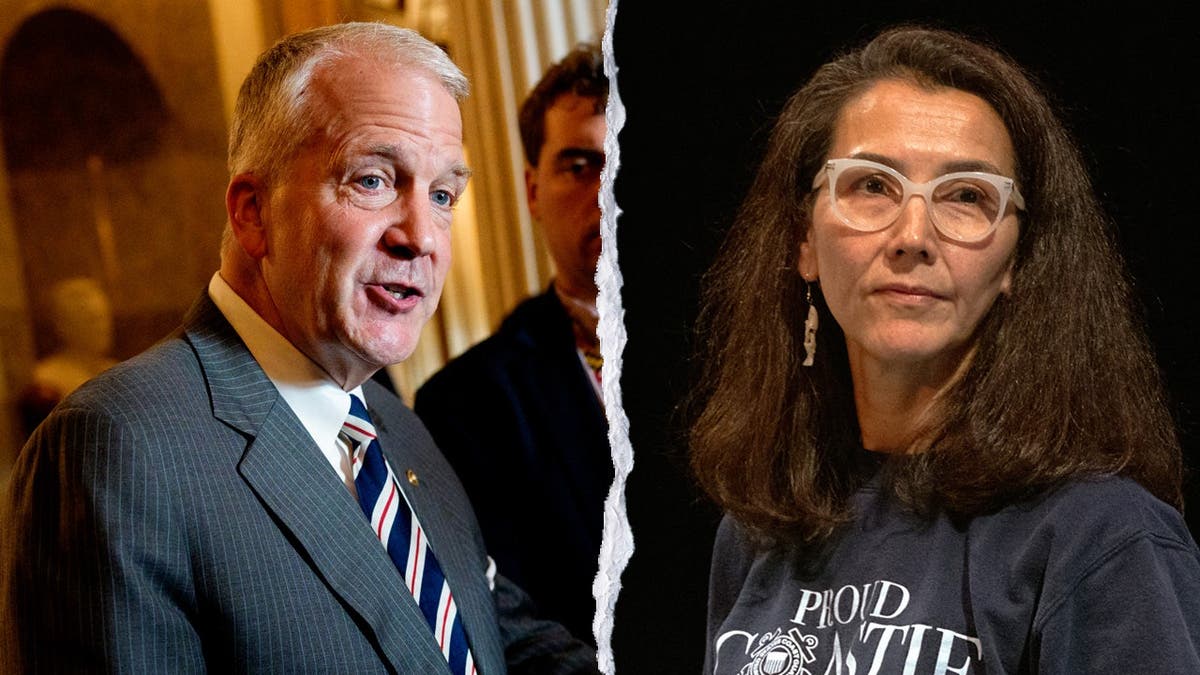
A recent report by the New York Times has highlighted a potential strategy involving operatives linked to Democratic Senate candidate Mary Peltola and the Democratic Senatorial Campaign Committee (DSCC). The alleged plan was to introduce a second candidate named Dan Sullivan in Alaska’s Senate race. This effort could potentially confuse voters, as nearly 10% of registered voters had already cast their ballots by the time of the report.
The timing indicates that around 58,000 Alaskans may not have been aware of this reported strategy when they voted. Both Peltola’s campaign and the DSCC have denied any involvement in the scheme.
The Race Between Two Sullivans
Dan J. Sullivan entered the general election with a small share of the primary votes, about 2.5%. His campaign did not clearly state his political stances or party affiliation. His campaign announcement urged voters to elect a Sullivan who supports Alaska over the incumbent Sen. Dan Sullivan.
According to the report, the DSCC and Peltola staff coordinated this strategy using various communication channels. A source close to the matter suggested Peltola was informed about the plan.
Legal and Electoral Complications
The Department of Justice (DOJ) has responded by filing a lawsuit seeking to delay the certification if Sen. Sullivan loses, based on the potential confusion compounded by this strategy. The outcome of this legal action remains uncertain.
Alaska’s ranked-choice voting system further complicates the scenario for Sen. Sullivan. This voting method allows voters to rank candidates by preference. If a voter’s first choice is eliminated, their vote then transfers to the next-ranked candidate. While proponents claim this method increases voter power and candidate influence, critics argue it can create confusion.
State Sen. James Kaufman has expressed concerns about the system. He believes some voters, particularly Republicans, may not engage with the ranked-choice system due to disagreements stemming from its introduction. Kaufman noted, “Some people have a pretty strong traditionalist perspective: one person, one man, one vote.”
Less than a week remains before the general election on November 3, leaving little time for any changes or clarifications to reach voters in Alaska.
Leave a Reply