The International Court of Justice has ruled that Myanmar committed genocide against the Rohingya Muslim minority. Over a million Rohingya remain displaced following a military campaign in 2017. The decision marks the first time a state has been found guilty of genocide since the court’s inception in 1945.
During the military actions in 2017, forces in Myanmar killed at least 10,000 people, including as many as 2,109 children under five. More than 700,000 were forced to flee their homes in Rakhine State. The decision carries implications for cases under the 1948 Genocide Convention, such as South Africa’s long-standing genocide allegations against Israel.
Myanmar’s President Min Aung Hlaing dismissed the ruling as unfair, highlighting a lack of consensus among judges, since six of the 15 dissented. The country’s military junta-backed government denied committing genocide and hasn’t confirmed if it will comply with the judgment. Meanwhile, the National Unity Government, formed in opposition to the 2021 military coup, has expressed respect for the court’s declaration.
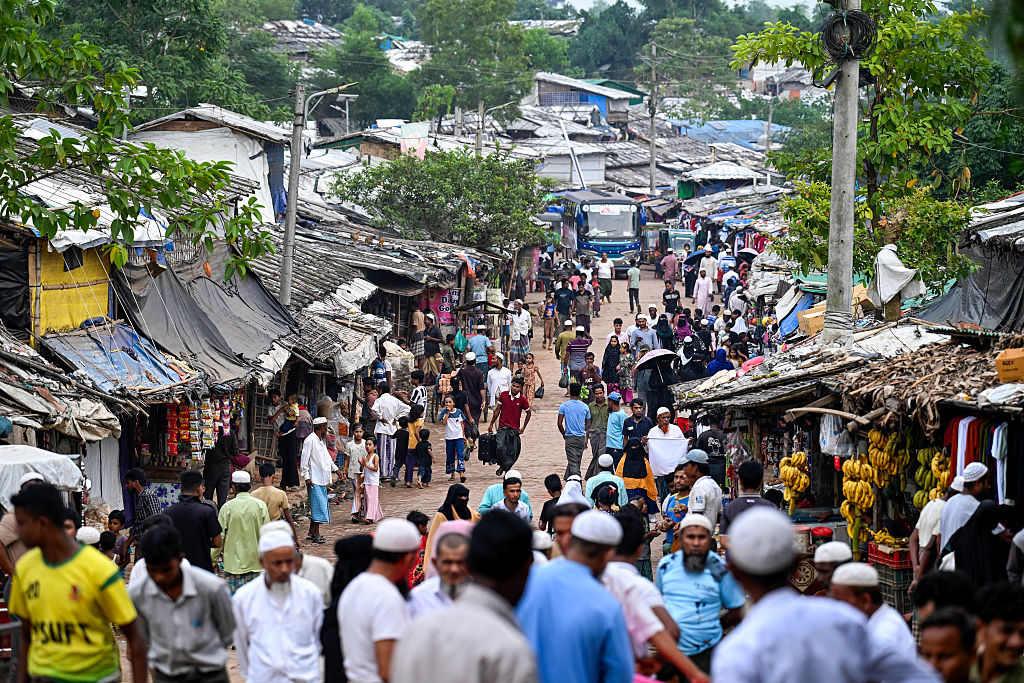
For the Rohingya, this ruling is an international acknowledgment of their plight. Sayed Ullah, a community leader in a Bangladeshi refugee camp, emphasized the ruling recognizes Rohingya as an ethnic group contrary to Myanmar’s denial of their existence.
Historic First in Genocide Ruling
This marks the first recognition of state-directed genocide by the ICJ. Previously, in cases involving the former Yugoslavia, the court made significant rulings. In 2007, it determined that Serbia failed to prevent genocide but lacked evidence directly linking Serbia to specific killings. Another case in 2015 between Croatia and Serbia did not find that genocide occurred, though it noted ethnic cleansing efforts in Croatia.
Marko Milanovic from the University of Reading noted the ICJ hasn’t altered the definition of genocide but took a broader view of evidence for genocidal intent, which dissenting judges criticized as possibly indicative of expulsion or punishment, not genocide.
Future Steps for Myanmar
The court demands Myanmar facilitate the voluntary return of the Rohingya and prosecute those responsible for genocide. Myanmar must report restitution progress within two years or, failing that, pay reparations determined later. The ruling is binding but lacks enforcement mechanisms.
The Gambia, the petitioner against Myanmar, can turn to the UN Security Council for enforcement—an uncertain prospect due to China’s support for Myanmar and its veto power. Third-party nations could impose diplomatic pressure or sanctions. The UK has reacted by expelling Myanmar’s defense attaché and calling for a UN Security Council discussion.
ASEAN Parliamentarians for Human Rights urged ASEAN to uphold the ruling, aligning with its international law commitments. The International Criminal Court prosecutor is pursuing an arrest warrant for Min Aung Hlaing in light of the ruling, potentially impacting ongoing investigations.
Despite hopes for restitution, challenges endure. Over a million Rohingya remain in Bangladesh camps. Homes in Myanmar were destroyed, leaving little to return to. Historically ingrained discrimination complicates action despite legal victories for the Rohingya.
Implications for Allegations Against Israel
Attention now shifts to South Africa’s case against Israel at the ICJ, which parallels arguments seen in the Myanmar ruling. Israel defends its military actions as counterterrorism following attacks by Hamas, denying genocide allegations.
The ICJ recognized patterns, including broad violence and destruction as indicative of genocidal intent in Myanmar. South Africa seeks similar judgments against Israel. Still, proof and unique case evidence will influence outcomes independent of this ruling.
U.N. reports confirm widespread Palestinian casualties, including children, raising questions about international law compliance. Although ICJ precedents are non-binding, the judgment on Myanmar sends a strong message impacting future genocide allegations.
Leave a Reply