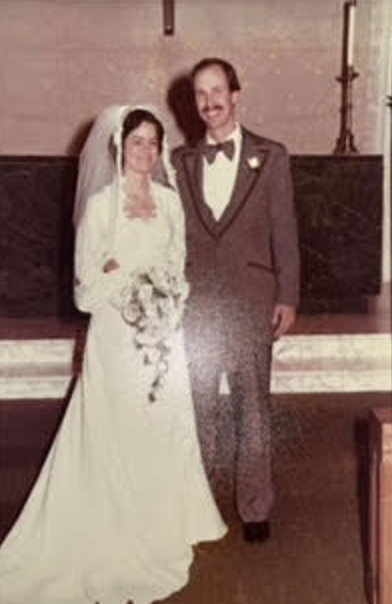
Lee passed away in February. We celebrated his life on the Saturday before Father’s Day. During this time, I arranged the flowers and prepared the brisket for our gathering after the service. I embraced siblings, grandchildren, and neighbors. I also emailed old colleagues and set up Zoom links for distant friends. Despite the circumstances, I had been grieving my loss of Lee for a significant period — from middle age to old age. The mourning process is ongoing but not unfamiliar to me.
I am a historian. Events and dates structure my life. Lee and I met in 1977 and married in 1978. At that time, I was 26 and he was 36. Our four sons were born between 1980 and 1983, with our youngest being twins. Throughout various challenges, we remained married until 2010, when we divorced. The separation was daunting, involving the division of 32 years of connections and possessions. Our split generated lingering resentment, creating a wide chasm between us. Lee pursued two significant relationships after our divorce, underscoring our estrangement.
We had minimal contact until 2016, when our twins’ weddings prompted a new chapter. Conversations were initially tense but gradually became more comfortable, aided by old memories. Interactions evolved into a tentative friendship. We even danced together. I was no longer afraid of Lee’s unpredictability, nor did he bear any dislike towards me.
In 2019, close to his 78th birthday, Lee received a diagnosis of Parkinson’s disease and Lewy body dementia. No one was surprised, as signs of cognitive decline had been evident. His girlfriend conveyed the news to our sons and me, indicating her inability to care for him. Her candid approach brought the family together again. Unexpectedly, I found myself still part of Lee’s family.
Lee was not easy to assist. He held an Ivy League Ph.D. and had a matching ego. He was often short-tempered, drank excessively, and dominated conversations, convinced of his infallibility. Despite these traits, he had a charismatic side. His diagnoses frightened him, making him distrustful. He felt victimized by doctors and unjust regulations. Strangely, Lee was willing to listen to me. I persuaded him repeatedly that moving to Arizona wouldn’t be practical. This prompted thoughts of moving to Minneapolis to be closer to our grandchildren and support Lee.
I began aiding Lee even before relocating. I spent weeks at his home, preparing it for sale. I disposed of his extensive library and donated unused goods. I tackled his paperwork, meticulously sorting through mixed documents and clearing his disordered living space, which mirrored his condition. I returned to Wyoming, learning that Lee had adjusted to his new apartment in Minneapolis. Soon after, COVID-19 emerged. On March 20, 2020, I drove to Minneapolis to assist with my granddaughters, ensuring I stayed connected during the pandemic.
Our local son and daughter-in-law had long supported Lee. He joined their gatherings and they assisted with personal care. The pandemic necessitated further involvement. Lee’s health decline demanded increased support.
I facilitated Lee’s transition to new healthcare providers and a memory care facility. My contributions became more direct with time. I accompanied him to appointments, managed his medical details, and transported him to family events. I supported his needs, buying clothes and organizing his space. I soothed his anxieties about everyday items.
Parkinson’s disease and Lewy body dementia erode identity. Lee lost much of what defined him within three-and-a-half years. He could no longer engage with reading, writing, or past interests. His body went through a painful transformation.
Despite this, Lee retained remarkable long-term memory. I shared our past, helping maintain his sense of self. Our conversations, filled with shared memories, allowed him to reconnect with his identity. Our sons experienced healing too, rediscovering our fragmented family bonds.
Before Thanksgiving 2022, I was informed of Lee’s decline. This marked the onset of his final days. Hospice care and emotional goodbyes followed. This time bridged family members, strengthening ties during a prolonged, anticipatory wait. In February, our eldest son joined Lee at the end.
Love assumes many forms. When Lee questioned our relationship’s nature, I called us “dear old friends.” This sentiment held truth for us both. Despite divorce, we shared a lifetime of experiences that formed an inseparable bond. Caring for Lee honored that relationship, unifying our family once more.
May you rest in peace, Lee. You will always be a cherished part of my life.
Lucinda Myles McCray, a historian of medicine and public health, lives in Minneapolis. She remains active in writing, reading, and enjoying family time outdoors. This article was initially published on HuffPost.
Leave a Reply