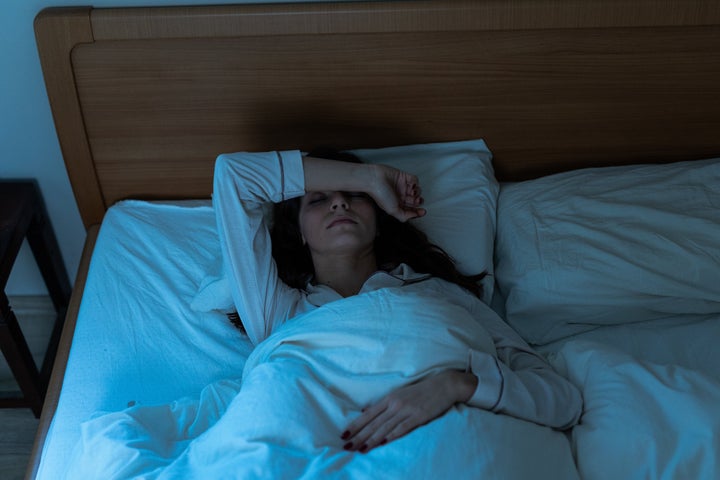
Consider purchasing blackout curtains and turning off your phone before bed. Nighttime light exposure might not be as harmless as it seems. According to research in JAMA Network Open, artificial light at night links to higher cardiovascular disease rates.
The research highlights increased risks of heart failure, coronary artery disease, atrial fibrillation, myocardial infarction, and stroke. The study monitored nighttime light exposure over a week in 88,905 adults over 40. Participants wore wrist sensors from 12:30 a.m. to 6 a.m. Based on light exposure levels, participants were divided into four groups.
Health data over 9.5 years was analyzed, adjusting for cardiovascular risk factors like smoking and physical activity. High nighttime light exposure correlated with the worst health outcomes. Those with significant exposure faced a 56% higher heart failure risk, up to a 56% higher heart attack risk, and up to a 30% higher stroke risk.
Why Nighttime Light Affects Health
Experts connect negative health effects to the disruption of the circadian rhythm, the body’s 24-hour sleep-wake cycle. Dr. Jeremy Slivnick, a cardiologist at UChicago Medicine, emphasizes the importance of circadian rhythm for a healthy lifestyle.
“Circadian rhythm disruptions can relate to cardiovascular events,” explained Slivnick.
Nighttime light creates a false daytime perception, disturbing circadian patterns. This disruption affects sleep quality, as highlighted by Dr. Ehimen Aneni from Yale School of Medicine.
“Light exposure can disturb circadian rhythm, affecting overall sleep health,” Aneni noted.
Quality sleep is not about duration alone. Waking up tired or with headaches may indicate sleep issues worth discussing with a doctor.
Inadequate sleep associates with various cardiovascular conditions. Short sleep durations link to increased heart attacks and strokes. Sleep disorders also increase heart disease and stroke risks.
The Role of Sleep in Health
Sleep serves as a “recharging mechanism,” according to Slivnick. Insufficient sleep heightens stress and anxiety, activating “fight or flight” responses. Chronic stress can elevate blood pressure, increasing cardiovascular disease risk.
Circadian rhythm disruptions could also increase type 2 diabetes risk, further complicating cardiovascular health. Research indicates women might be more sensitive to light-related circadian disruptions than men.
Researchers acknowledge some study limitations. They don’t specify light sources, and participants were predominantly white.
“More studies could clarify why night light exposure leads to heart disease,” remarked Aneni.
Improving Sleep Health
Maintain good sleep hygiene by reducing nighttime light exposure. More studies are needed on nighttime light and cardiovascular health links, but minimizing exposure is advisable.
Adults should strive for seven to nine hours of sleep and maintain regular sleep schedules. The American Heart Association’s Life Essential 8 outlines other heart health guidelines:
- Eat a diet rich in vegetables, lean protein, fruits, nuts, and seeds.
- Engage in at least 120 minutes of moderate exercise or 75 minutes of vigorous exercise weekly.
- Avoid smoking.
- Ensure seven to nine hours of sleep each night.
- Manage weight, cholesterol, blood sugar, and blood pressure.
Following these steps can significantly minimize cardiovascular disease risk.
Leave a Reply