Interstate 5, known as the I-5, links two distinct parts of California – Southern and Central California. The route crosses the 4,160-foot Tejon Pass, stirring talks about dividing the state along this line.
Before the I-5
Prior to the I-5’s completion in 1970, travel between Southern and Central California was challenging. The route involved navigating the Tejon Pass, which could be windy, icy, or foggy. Despite it not being as tall as other ranges, transporting goods over it was no easy feat.
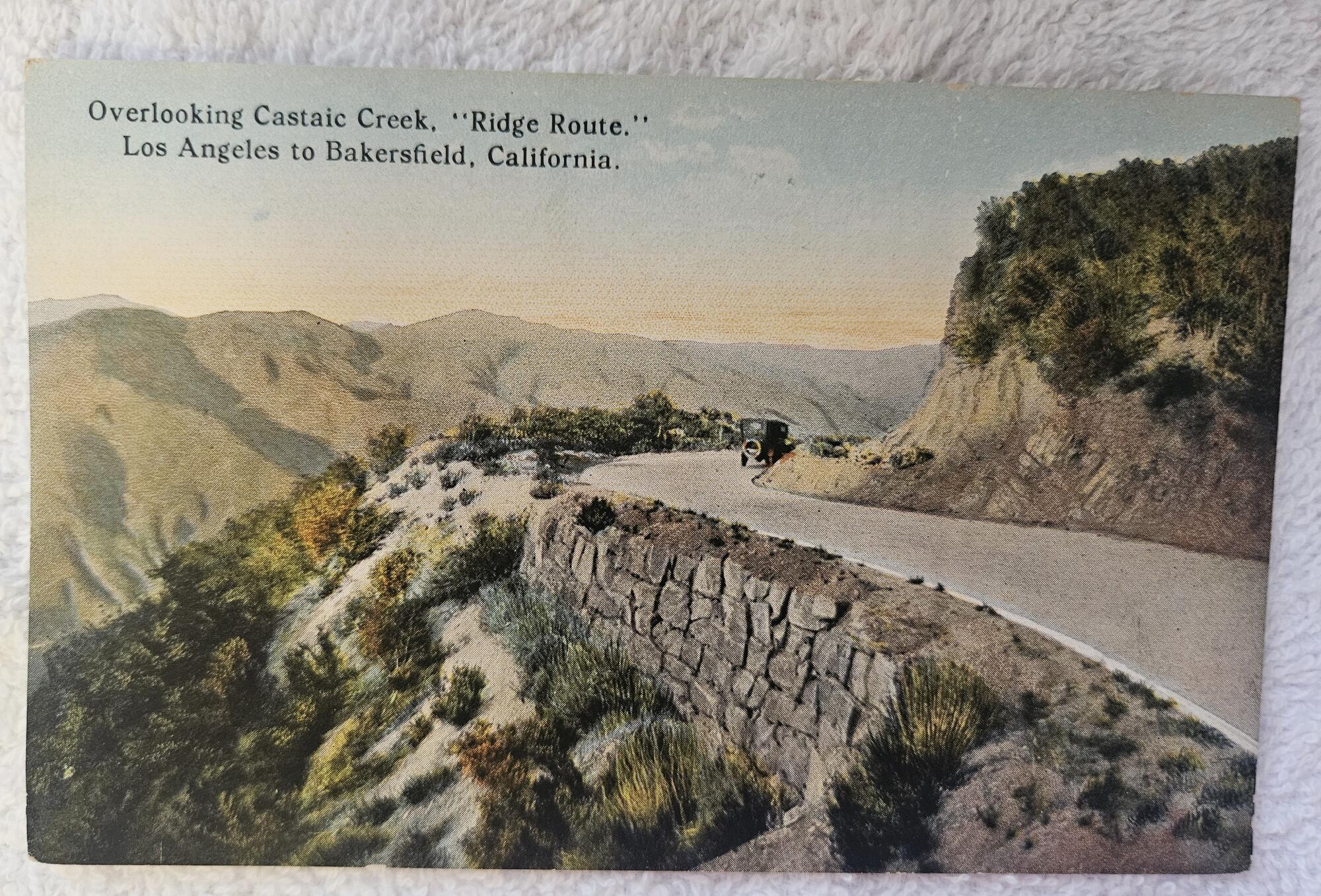
The Original Ridge Route
The first Ridge Route was completed in 1915. It was a treacherous drive with 697 curves over its 36 miles. The speed limit was just 15 mph, requiring drivers to focus intensely on the road.
Despite part of the original route being open today, mostly for local traffic and car clubs, efforts by the Ridge Route Preservation Organization keep this historic road viable.
Historical Significance
Native Americans inhabited the Tejon Pass area for centuries. The Spanish named the area Canada de las Uvas because of the wild grapes. The US Army established Ft. Tejon in 1854, which survived a massive earthquake in 1857. Throughout history, various groups have tried to improve passage through this area.
Transformations Through Time
In 1858, Butterfield stagecoaches started ferrying mail over the pass. The federal appointee, Edward Beale, deepened the cut in the rock for easier passage, known as Beale’s Cut. The first car crossed it in 1902, which was a huge milestone.
By December 1910, the Newhall tunnel offered an improved route. Soon after, in 1916, the first Ridge Route cut travel time from L.A. to Bakersfield significantly. Settlements along the road provided vital services for travelers.
Notable Events and People
The Ridge Route witnessed various events and personalities. Ulysses S. Grant Jr. died at Sandberg’s Summit Hotel in 1929. Aviator Charles Lindbergh tested a glider near Lebec, and schoolchildren eagerly gathered to see him.
Unfortunately, the route wasn’t without tragedy. In 1931, a car accident resulted in a woman cradling her injured child for hours before rescue arrived. The narrow road also became a hotspot for highway robberies.
The Evolution Continues
The new Ridge Route, opened in 1933, provided a smoother drive with fewer turns. However, by the 1930s, traffic demands led to further road expansions. Ultimately, the construction of I-5 in 1970 surpassed both Ridge Routes.
Though much of the earlier routes have been submerged by Pyramid Lake, the memory lingers. The Ridge Routes have historical importance, marked by places like Dead Man’s Curve.
A Literary Connection
Both original and newer Ridge Routes were part of Highway 99 and are linked to John Steinbeck’s novel “The Grapes of Wrath.” The Joad family traversed this route, witnessing California’s vast and verdant Central Valley.
Leave a Reply