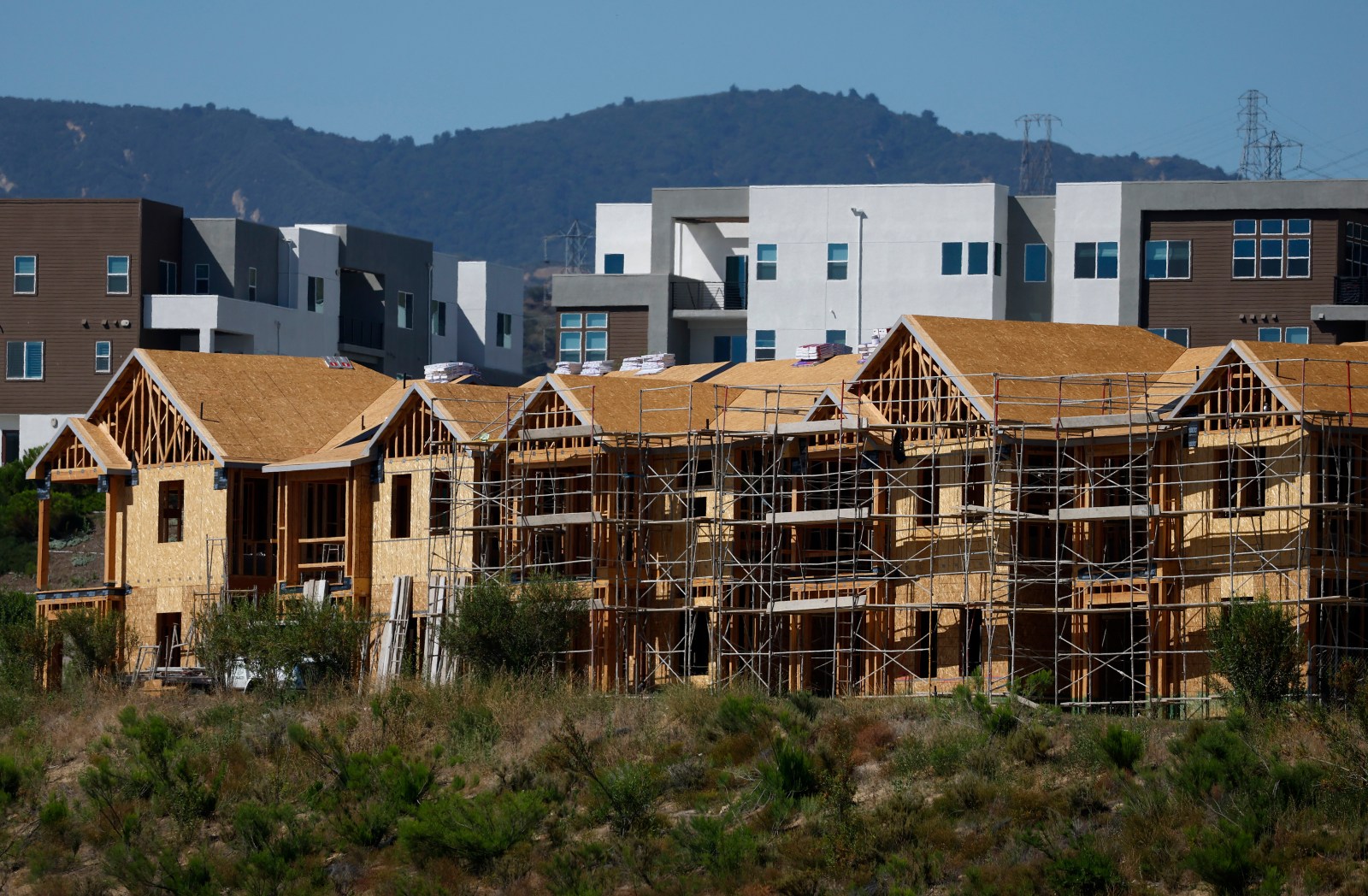
The affordable housing crisis in the United States is immense. A study by the National Multifamily Housing Council and NYU Urban Lab reveals that closing this gap would take over a century in 38 of the country’s 51 largest metropolitan areas based on current construction rates.
Rent Burden in the United States
Over 22.4 million renter households are considered rent-burdened, spending more than 30% of their income on housing. This problem stems from a lack of affordable rental options, forcing even moderate-to-high-income households to shoulder higher prices. For extremely low-income households, private housing will remain unaffordable without subsidies.
Unless substantial reforms are implemented, this crisis won’t resolve soon. Cities face a significant supply deficit, and real progress might be generations away.
St. Louis: The Most Challenging Scenario
In St. Louis, the situation is dire. Researchers estimate it would take 956 years to close the local affordable housing gap. This timeline starkly contrasts with New York City’s estimate of 169 years, highlighting the varied challenges across different regions.
Despite being one of the most expensive markets, New York City has made strides in supporting low-income renters compared to St. Louis. Realtor.com comments on the overlooked successes in New York City’s housing landscape.
Diverse Challenges Require Specialized Solutions
Caitlin Sugrue Walter, NMHC’s senior vice president of research and innovation, stresses the need for various strategies to address multiple facets of the rental affordability crisis. In New York City, Mayor Zohran Mamdani’s “Block By Block” plan aims to tackle this, evident in the rent freeze for rent-stabilized apartments.
While cities like New York and Dallas have made progress in increasing apartment construction to reduce rents, this doesn’t necessarily equal affordable housing for those with extremely low incomes.
Metropolitan Areas with Faster Solutions
In 13 metros, the affordable housing gap could close in less than a century:
- Raleigh-Cary, NC: 45 years
- Charlotte-Concord-Gastonia, NC–SC: 45 years
- Cleveland, OH: 49 years
- Salt Lake City-Murray, UT: 50 years
- Buffalo-Cheektowaga, NY: 52 years
- Minneapolis-St. Paul-Bloomington, MN–WI: 58 years
- Seattle-Tacoma-Bellevue, WA: 74 years
- Pittsburgh, PA: 78 years
- San Antonio-New Braunfels, TX: 88 years
- Austin-Round Rock-San Marcos, TX: 90 years
- Louisville/Jefferson County, KY–IN: 91 years
- Denver-Aurora-Centennial, CO: 93 years
- Indianapolis-Carmel-Greenwood, IN: 98 years
Metros Facing Longer Challenges
Several metros face daunting timelines to close the gap:
- St. Louis, MO–IL: 956 years
- Kansas City, MO–KS: 630 years
- Birmingham, AL: 526 years
- Detroit-Warren-Dearborn, MI: 521 years
- Houston-Pasadena-The Woodlands, TX: 505 years
- Dallas-Fort Worth-Arlington, TX: 474 years
- Grand Rapids-Wyoming-Kentwood, MI: 413 years
- Oklahoma City, OK: 406 years
- Columbus, OH: 389 years
- Boston-Cambridge-Newton, MA–NH: 363 years
A Path to Closing the Gap
The primary issue lies in the expensive nature of building affordable housing. High costs and barriers dissuade private builders, driving up prices as new supply dwindles.
Since the 1970s, development costs have surged, reducing new construction rates and escalating rents. Recent housing production averages 1.4 million units per year, falling short of the 1970s pace by over 600,000 units.
Researchers call for broad deregulation to lower production costs and encourage new projects. This strategy, alongside developing subsidized rental housing and expanding rental assistance, could make significant strides. Utilizing 14 million vacant homes could close the gap within a generation.
Leave a Reply