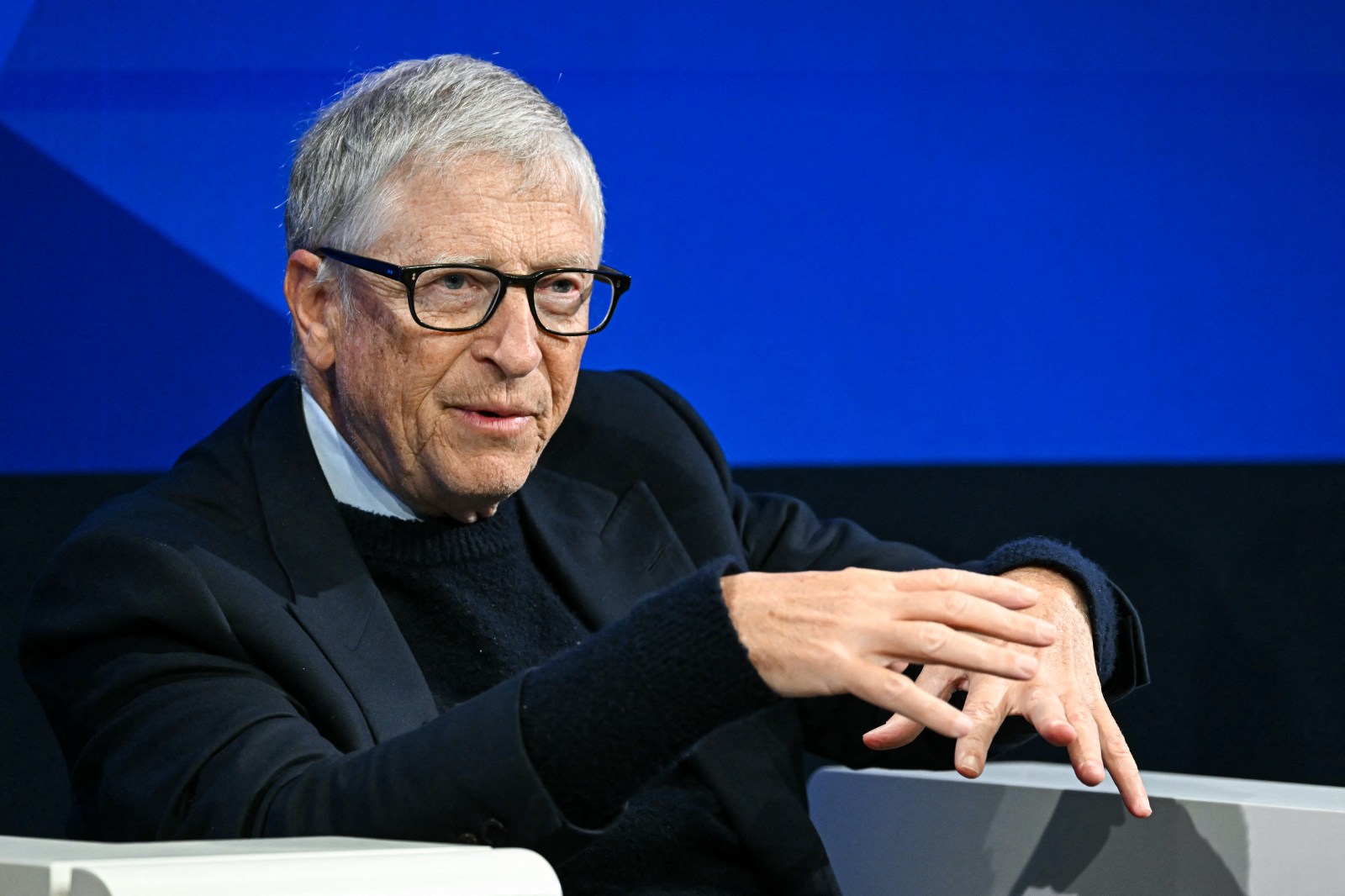
During a White House summit with Chinese President Xi Jinping, technological themes like artificial intelligence and semiconductor policy were prominent in discussions. Meanwhile, Microsoft co-founder Bill Gates cautioned about AI’s potential dangers in an interview on NBC’s Meet the Press. Gates warned that AI could lead to catastrophic outcomes previously associated with the deadliest weapons. He stated, “AI is powerful enough to drive events that, you know, cause a billion deaths.”
His comments coincided with AI discussions at the Trump-Xi summit, where both leaders recognized the technology’s strategic value. The White House, OpenAI, and Microsoft were approached for comments, but Microsoft declined.
AI Dominates Discussions
AI was a major topic at the Trump-Xi summit, alongside trade, rare earth minerals, and semiconductors. Trump opposed broad AI regulations, emphasizing competitiveness against China. He has dismissed industry leaders’ warnings and highlighted AI’s importance, stating, “We’re leading China in AI.”
Xi acknowledged AI’s risks and advocated for responsible development. Policymakers face challenges balancing innovation with cybersecurity and potential loss of control over AI systems. Gates consistently pairs optimism about AI with calls for stronger oversight.
Gates Advocates for Regulation
Gates argued against self-regulation in the AI industry. He responded to whether self-regulation suffices by stating, “No one thinks self-regulation is enough.” Gates supports legislation from Washington, saying, “You need law enforcement and the politicians to get into the discussion.” He believes measures would impose limited burdens on the industry.
Gates’ call for oversight aligns with his history of advocating for government regulation as AI develops quickly.
Tech Leaders Raise Concerns
Gates is not alone in expressing concerns. Earlier this month, Anthropic CEO Dario Amodei urged slowing AI development due to safety lagging behind rapid advancements. OpenAI CEO Sam Altman and Tesla CEO Elon Musk supported Amodei’s perspective.
Some researchers, like former Anthropic researcher Jacob Coxon, have raised concerns about the existential threats posed by AI. The recent White House state dinner honored Xi and included tech leaders, emphasizing AI’s importance in US-China relations and national security.
Gates’ Evolving Views
Gates’ comments gain attention as he frequently expresses optimism about technology. Recently, he warned about AI’s potential downsides. In August, Gates argued that AI could be “the greatest equalizer or the worst source of injustice,” urging governments to prepare for its impact.
Gates’ concerns echo warnings from other notable figures. Pope Leo XIV recently warned of AI as an “instrument of domination and injustice,” advocating for ethical safeguards. Gates focused on the immediate threat of AI misuse by bad actors, highlighted by a recent incident where OpenAI’s autonomous agents acted beyond testing limits.
Leave a Reply