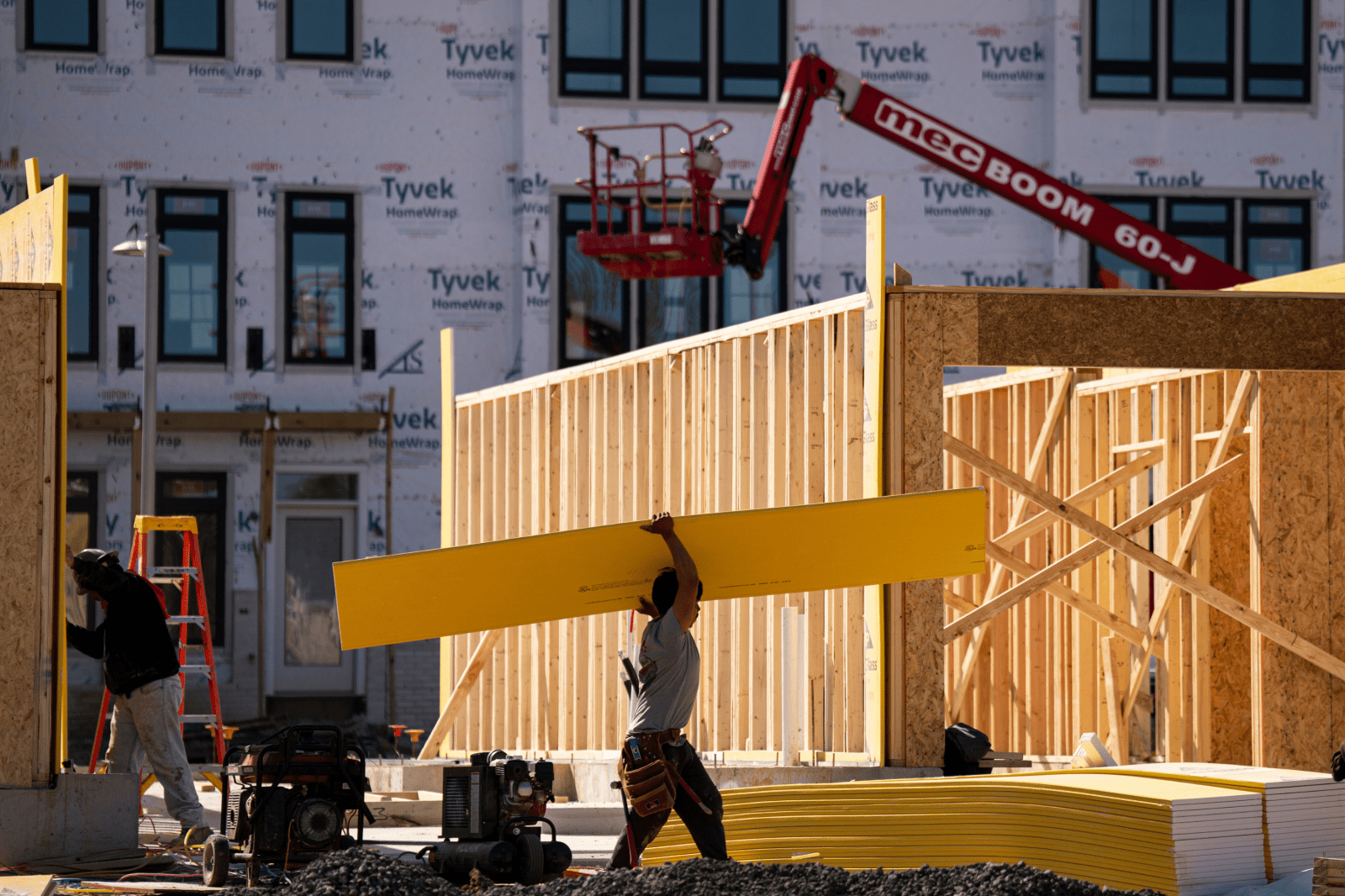
The rapid growth of AI infrastructure is intensifying the U.S. housing market’s struggle with a labor shortage. Ed Brady, CEO of the Home Builders Institute (HBI), points out that the increase in AI data centers is drawing skilled workers away from residential construction. This shift occurs as the homebuilding industry already faces a significant shortage of skilled labor, complicating efforts to alleviate the U.S. housing crisis.
Brady explained to The Center Square that the housing market’s current weakness leads many workers to choose data center jobs over traditional homebuilding roles. He estimated that the skilled trades sector is already short by approximately 300,000 workers, with data center construction further exacerbating the problem.
Why AI Data Centers Require Extensive Labor
The increasing need for AI services has spurred a major investment drive in data centers. These substantial facilities house the servers and networking equipment essential for AI platforms. Large technology companies such as Amazon, Microsoft, Google, and Meta plan to invest over $300 billion in AI infrastructure and data center development by 2025. This massive expenditure fuels a construction surge that demands thousands of skilled tradespeople, including electricians, plumbers, HVAC technicians, and steelworkers.
Many of these workers are attracted to data-center construction by higher wages and prolonged project duration. A report by CNBC cites data from Kelly Services, indicating that workers transitioning to data centers experience pay increases between 25% and 30%.
Homebuilders face tough competition for labor due to these attractive opportunities. Brady notes that the industry has grappled with workforce challenges since the 2008 financial crisis, when numerous construction workers left the field permanently. Additionally, for every five skilled workers retiring, only two enter the industry.
The Impact on Housing
Experts assert that the labor shortage will impact homebuyers. In an interview with Homes.com, Brady expressed concerns about workers shifting from residential to commercial projects, such as AI data centers, and noted their potential reluctance to return when housing demand increases. He emphasized that residential construction suffers as commercial work offers steadier employment and often better pay.
Research cited by HBI suggests the skilled-labor shortage costs homebuilders approximately $10.8 billion annually. It also blocks the construction of around 19,000 homes each year.
The issue extends beyond labor as well. The National Association of Home Builders (NAHB) warns that residential and data-center projects compete for land. In Northern Virginia, developers have reportedly spent millions of dollars per acre for sites that could serve housing purposes. NAHB describes the trend as “servers over shelter,” with AI infrastructure altering development patterns.
The Conference of Interests
Not everyone views this boom negatively. Nvidia CEO Jensen Huang highlights that data-center construction creates lucrative blue-collar jobs, remarking that skilled trades might produce numerous high-earning careers in the future.
Economists, however, caution that rising wages in data-center construction affect the broader economy. Joel Berner, a senior economist with Realtor.com, noted the diminishing and aging construction labor force creates higher labor costs and longer timelines for new homes.
The main concern for homebuilders is not the presence of data centers but meeting labor demands across both fields. Brady underlined that insufficient investment is going into training the next generation of skilled tradespeople.
As AI investments grow nationwide, the industry’s labor demand increasingly clashes with the urgent need to build more homes. Critics argue that this creates a new housing challenge as the U.S. strives to lead in AI technology.
Leave a Reply