On the shores of a lagoon in southwestern Albania stands a 14th-century monastery, linked to a small island by a wooden bridge. This area around Zvërnec is a protected wetland, a haven for migratory birds, and one of the last untouched coastal stretches in a nation watching its natural beauty erode. The proposition to erect a luxury resort, associated with Jared Kushner, stirred a protective reaction among the populace. The anger was palpable and justified, yet it symbolized a symptom rather than the root cause.
The proposed resort could potentially elevate Albania in global tourism, and with tourism contributing approximately 22 percent to Albania’s GDP, the economic justification is noteworthy. However, environmental concerns in Zvërnec warranted an open and transparent public discourse. Instead, the same familiar pattern unfolded: national laws amended quietly, a ruling majority pushed through approvals, leaving the public without a genuine voice. This prevalent pattern, not the project, highlighted deeper issues.
Since assuming power in 2013, Prime Minister Edi Rama’s administration pledged transformation and modernization, aiming for EU membership. While infrastructure and urban development saw progression, multiple corruption scandals overshadowed these achievements. The creation of the Special Structure against Corruption and Organized Crime (SPAK) only confirmed suspicions. Former ministers, a former capital city mayor, senior officials were scrutinized, revealing immense taxpayer funds linked to insiders within Rama’s government. For many Albanians, these scandals reflect pervasive systemic issues.
The concerns aren’t limited to corruption. Expensive infrastructure projects, opaque deals, concentrated economic interests, and the perception of political power serving narrow networks fuel disillusionment. Each scandal strengthens beliefs that oversight is lacking and that accountability remains a rare commodity.
Additionally, the weakness of Albania’s opposition amplifies the crisis. Sali Berisha, a central figure, carries significant political baggage. To many, he represents a failed system rather than a hope for genuine change. Questions of political influence, family interests, and the lack of a compelling vision leave many feeling unrepresented.
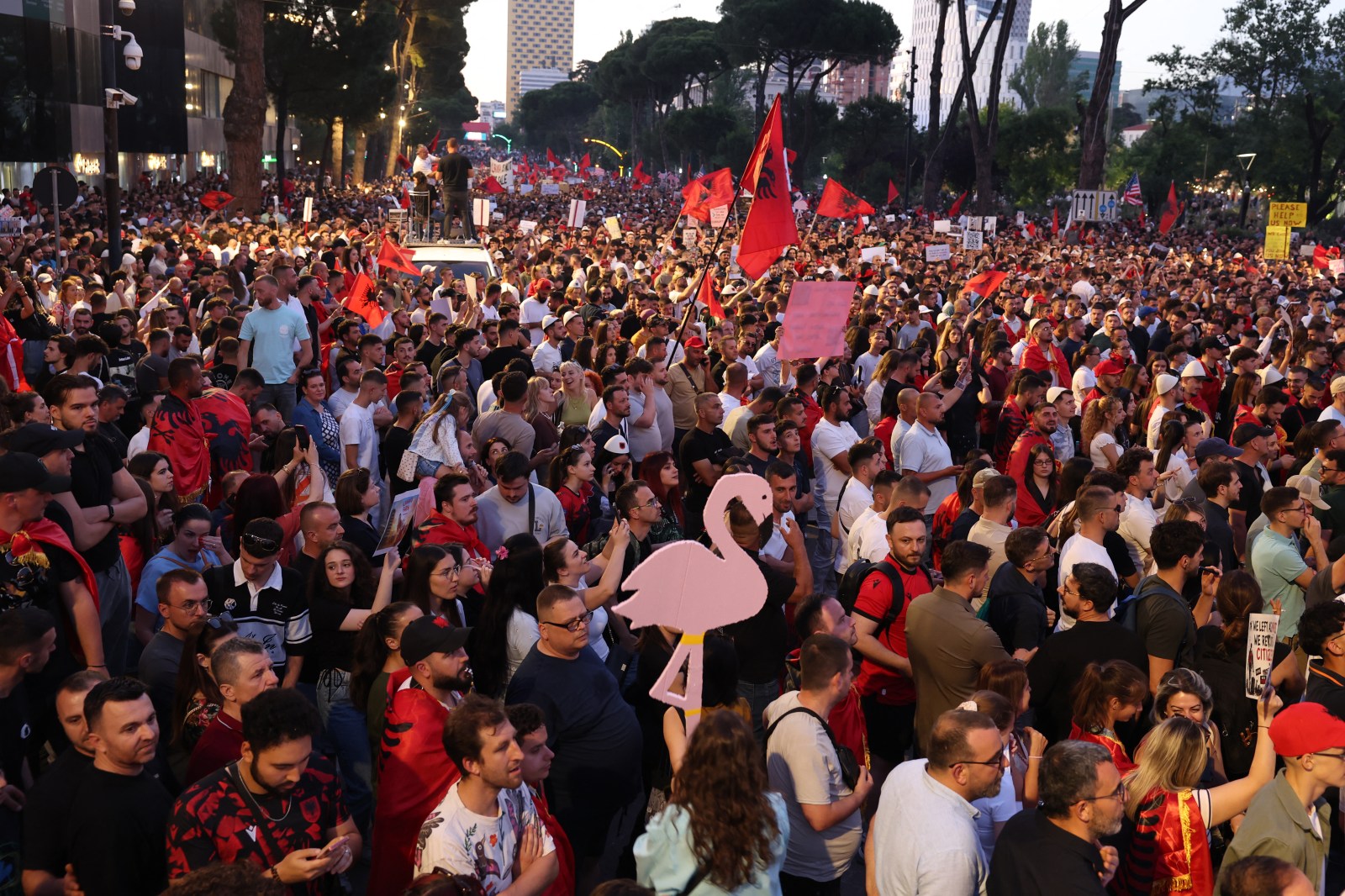
The heart of current protests lies in these frustrations. Albanians decry governmental corruption, while frustrated by an opposition that lacks credibility. The dominant political class fails to inspire confidence or provide real alternatives.
The protests are not about Jared Kushner or Donald Trump; they are a response to governmental inadequacies and unmet demands for genuine alternatives. Protesters seek justice, accountability, and a political class that truly serves them.
What Albanians demand is not simply a change in leadership, but a reform of the current system. Their call represents a broader concern for democracy worldwide. Democracy must function effectively for the people. When leaders appear incompetent or self-serving, populism and authoritarian ideas gain appeal. Democracy fails not only in war, but when it ceases to meet the needs of its citizens.
Albania’s situation serves as both a warning and a sign of hope. The persistence of its citizens, still in the streets demanding better governance, reflects a struggle to ensure democracy truly holds value. This situation doesn’t represent democracy’s crisis; it embodies democracy asserting its worth.
Rudina Hajdari is the Acting Program Director at the Institute for Global Affairs, directing the International Democracy Fellowship. She was a member of the Albanian Parliament and served on the U.S. House Foreign Affairs Committee. The Institute for Global Affairs is a nonprofit within Eurasia Group.
The opinions in this article are solely those of the author.
Leave a Reply