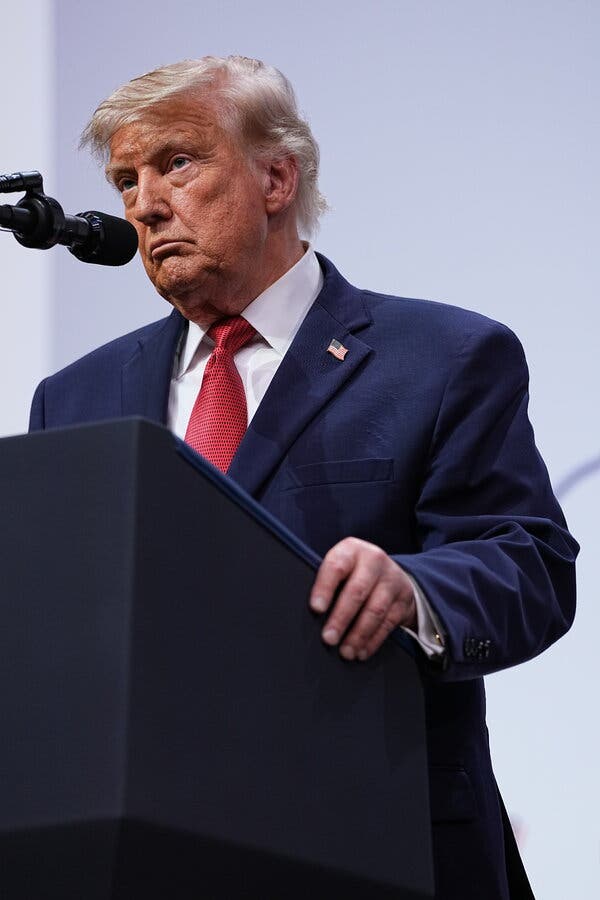
President Trump, recognized for his assertive rhetoric, demanded ‘unconditional surrender’ from Iran. Contrary to initial expectations, Iran maintained resilience despite significant losses against a formidable military force.
A significant aspect of the conflict is Iran’s ability to leverage economic instability as a strategic tool. In the recent Group of 7 summit in France, Trump emphasized the position of advantage he holds under an agreement which defers discussions on Iran’s nuclear activities.
Less than fifteen weeks ago, Trump delivered an emphatic message regarding the war with Iran, insisting no negotiations would occur without Iran’s complete capitulation. However, the released agreement lacked elements of surrender.
The deal permits Iran to resume substantial oil sales, alleviating economic strain. Future negotiations aim to restrict its nuclear ambitions for the next 15 to 20 years, reflecting Trump’s emphasis on leveraging negotiations.
Furthermore, the Memorandum of Understanding suggests potential sovereignty for Iran over the Strait of Hormuz, a notion at odds with Secretary of State Marco Rubio’s insistence on unrestricted access.
The agreement between Iran’s president and Trump outlines a path for Iran to access previously frozen assets, contingent on good conduct—similar to a concession by former President Obama, which Trump criticized.
Despite battlefield achievements, including the dominance over Iran’s navy and air force and the destruction of its defense industry, Trump aimed for a more extensive demolition of Iran’s nuclear and missile capabilities along with American control over its oil resources.
Leave a Reply