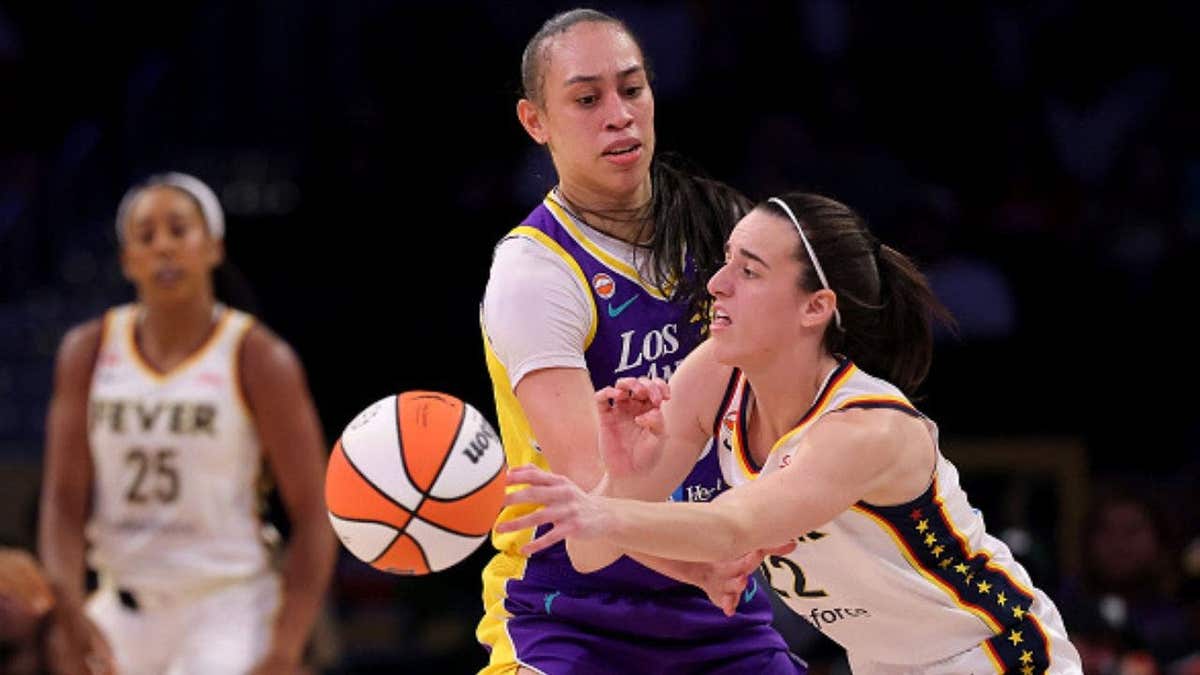
During a late-night discussion on CNN, a panel debated the resentment many WNBA players feel towards Caitlin Clark. Former ESPN host Cari Champion suggested race should not be considered a factor, arguing it disrespects Black women who founded and supported the league. Champion said, “To suggest that it is intentional or that people are being racist towards her leaves out a long history of women who have supported this league and started this league who were Black. It’s very disrespectful to them.”
The question remains: why do some WNBA players, particularly Black players, display hostility toward Clark? Notably, her resentment isn’t solely due to her being a White straight woman. Her identity is just one element; other factors are involved.
Caitlin Clark refuses to play to expectations. As a straight White woman, she does not engage in the racial and sexual activism prominent in the WNBA’s image. This separation makes her a unique figure in the league.
The “identity left” within the league does not reject all White people. For instance, many admire California Gov. Gavin Newsom or sports commentator Sarah Spain. The problem arises when a player fails to conform. Cameron Brink, who was drafted after Clark in 2024, is a well-regarded figure in the league. From her early career, Brink openly acknowledged her privilege due to her race and appearance. She supported broader representation in the league’s fan base and frequently discussed the advantages of being White and blonde in sports marketing.
Similarly, Paige Bueckers is often compared to Clark but faces less animosity. She supports equal opportunities in WNBA coaching and has expressed concerns about racial makeup in these environments. Bueckers’ remarks gained positive attention across social media.
In 2020, terms like “anti-racism” gained popularity. Authors Robin DiAngelo and Ibram X. Kendi highlighted the need for proactive anti-racist actions over simply not being racist. This mindset has influenced sports dynamics, with figures like Bomani Jones advocating a belief that White people could inherently be biased unless proven otherwise.
Clark’s lack of engagement with these cultural issues sets her apart from players like Brink and Bueckers, who openly align with anti-racist positions. Clark has chosen to focus primarily on her role as a basketball player. This decision has not insulated her from criticism or hostility.
Clark represents the first White American sports figure of significance in the post-George Floyd era. Her fame is seen by some as rooted in race and gender, as suggested by figures like Jemele Hill. Such perceptions may explain why incidents involving aggression towards Clark are met with defense of the aggressors.
The expectation exists for Clark to align with movements like BLM and LGBT to be more acceptable to some WNBA players and media. Without conforming, she struggles to escape her so-called villainous status.
Ultimately, the controversy surrounding Clark is apparent. She is a prominent White athlete in a league focused on social justice. While she has elevated the sport’s visibility, the league’s reactions to her presence reveal ongoing tensions between athletic performance and social messaging.
Leave a Reply