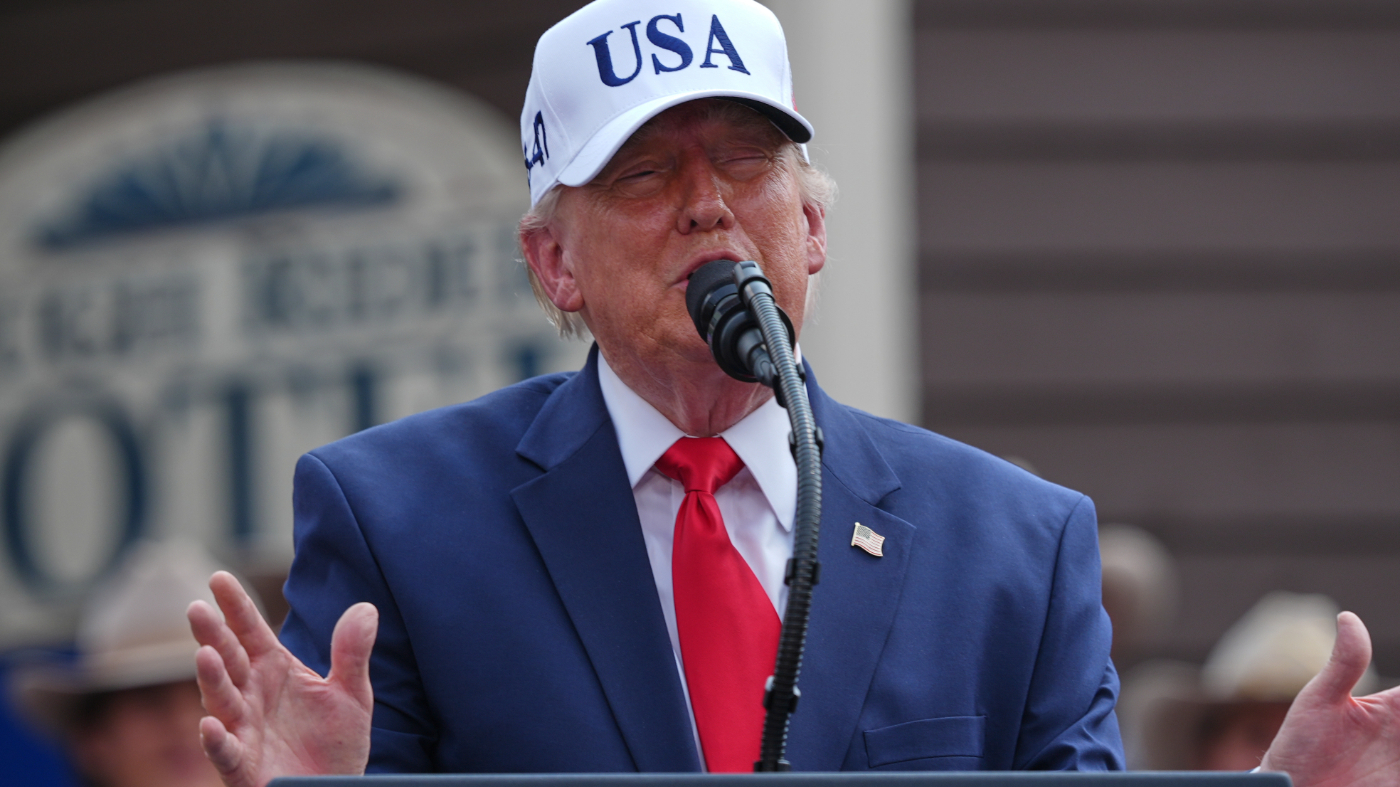
President Donald Trump addressed the nation at the Theodore Roosevelt Presidential Library’s opening ceremony in Medora, North Dakota. Meanwhile, Secretary of State Marco Rubio visited Abu Dhabi for the first time since the Iran conflict began. He highlighted the importance of considering Gulf states’ perspectives in decision-making.
Gulf nations endured significant hardships during the war, facing missile strikes and economic disruption. Their attempts to engage with Washington seemed ignored as the administration opted for solitary decision-making. This attitude left them vulnerable due to a lack of support, leading to adverse terms in the peace agreement with Iran.
The U.S. administration’s neglect of effective diplomacy contributed to the challenging outcome of the conflict. The absence of a robust coalition and disregard for allies’ concerns further complicated the situation. During the war, the lack of diplomatic support and coalition efforts resulted in strained relations with NATO and Gulf partners.
The war emphasized the necessity of alliances, showcasing the dangers of undermining diplomatic ties. Trump now faces the task of mending these relationships to garner international support and address lingering issues.
There are two vital areas where diplomacy could influence post-war outcomes: management of the Strait of Hormuz and Iran’s nuclear program. Reestablishing the strait’s governance without Iranian interference is key. Additionally, a coordinated approach to Iran’s nuclear negotiations involving global allies is essential for an effective resolution.
Efforts to rebuild these alliances should include drafting a United Nations Security Council resolution and promoting a united front against Iran’s nuclear ambitions. Secretary Rubio’s recent discussions with Gulf leaders signal positive steps in this direction.
Adopting the principles of mutual respect and cooperation that underpin the Declaration of Independence may help in reestablishing U.S. leadership on the global stage. This approach could rectify past oversights and strengthen strategic partnerships.
John Hannah, a senior fellow at the Jewish Institute for National Security of America and former national security advisor, offers these insights as part of a broader analysis of U.S. foreign policy strategies.
Leave a Reply