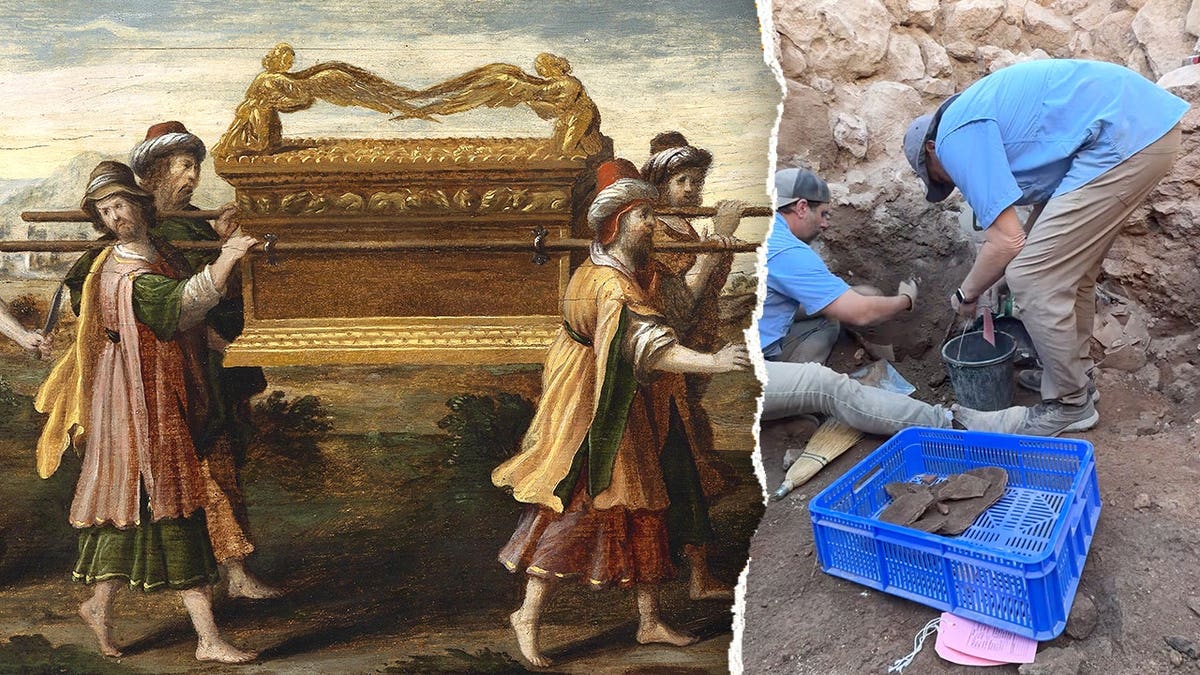
Archaeologists have made a significant discovery at biblical Shiloh, the ancient site known from the Bible for housing the Ark of the Covenant. The excavation took place at Tel Shiloh, located in the West Bank.
The discovery includes ancient food remains found beneath an Israelite-period ritual deposit, near a Canaanite fortification wall. According to the excavation team, two jars contained olives and a third held lentils. Notably, one of these vessels also held about 500 burned olive pits.
Scott Stripling, the excavation director, explained that these olives were likely preserved in oil before being burned accidentally. This fire seemed to have preserved them over centuries. “Once it started on fire, then it caught that whole area on fire,” Stripling said. The team plans a broader excavation next year to better understand these findings.
Before reaching these jars, archaeologists encountered a ritual deposit including approximately 10,000 animal bones, various pottery vessels, and several gold and silver artifacts. Stripling clarified that this deposit was a favissa, a deliberate burial of sacrificial offerings, rather than ordinary waste.
Stripling described the meticulous process of uncovering the jars. “We went through about two meters of heavy sort of tumble, and then we came down on these storage jars,” he noted. This careful excavation required ladders due to the trench’s depth.
Although the discovery of the olive pits in such quantity was unexpected, the types of food themselves were not. Lentils and olives were staples of the Mediterranean diet. The Israelites who later inhabited Shiloh likely did not know of the ancient Canaanite storage jars beneath their sacrificial deposits.
“These burned olive pits are ideal for radiocarbon dating,” said Stripling. He expects the dates to reflect the Middle Bronze Age.
The jars are currently being restored at Tel Aviv University. Researchers hope to gain further insights into these artifacts. The team also plans to expand the excavation next year to determine if the jars were part of a kitchen or storage area.
Leave a Reply