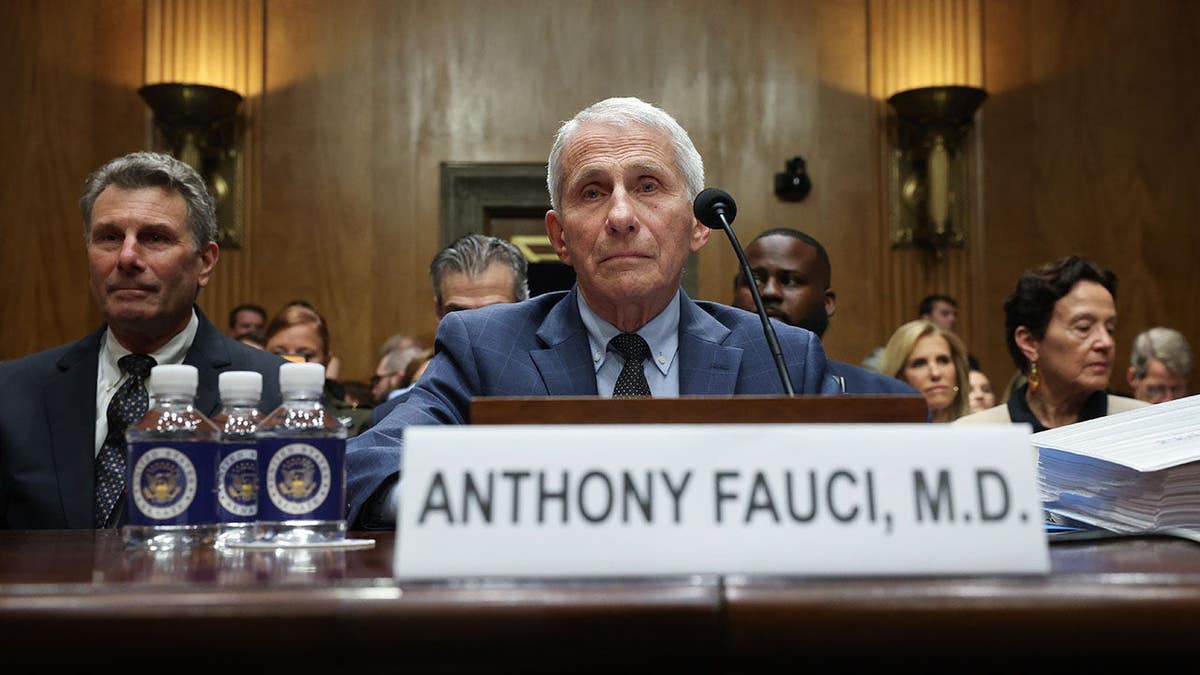
A revealing batch of Anthony Fauci’s diary entries and emails was released publicly, leading to significant embarrassment for the 85-year-old former public health official. Initiated by Sen. Rand Paul, the release exposed Fauci’s preoccupation with his sudden fame. He meticulously documented every media appearance and relished in glowing profiles published by mainstream outlets. His entries reveal excitement about connections with celebrities like Joan Baez and Barbra Streisand.
Significantly, Fauci’s private comments contrasted with his public statements. He admitted in his diary to the likelihood of a lab leak origin for COVID-19. He acknowledged promoting mask mandates without strong evidence and recognized the ineffectiveness of lockdowns, noting that cases rose and fell regardless of policy measures. Fauci also expressed concern about catching COVID-19 at events requiring vaccination proof, yet supported more vaccine mandates and passports.
Anthony Fauci’s private writings reveal he admitted to the failures of lockdowns and mandated masks without concrete evidence.
During a Senate hearing, Fauci was set to address these revelations from his diaries relating to his management of the pandemic. The media, especially legacy outlets, did not fare well in this unveiling. CNN’s Jake Tapper is prominently mentioned, including shared dinners with Fauci in late 2020, before public recommendations to cancel Thanksgiving. Despite inquiries from outlets like OutKick about these connections influencing coverage, Tapper’s representatives declined comment.
Fauci also mentioned CNN’s Dana Bash, who praised him privately after a clash with Rep. Jim Jordan, noting Wolf Blitzer’s support for Fauci’s harsh words against Jordan. Bash, appearing unconcerned, faced criticism for not holding herself accountable during the pandemic. She questioned Robert F. Kennedy Jr. on air, misrepresenting CNN and legacy media’s role during COVID-19.
Kennedy defended Trump’s desire to end lockdowns, arguing these measures harmed the U.S. economy by shuttering millions of businesses. He pointed to higher COVID-19 death rates in some countries, challenging whether deaths attributed to COVID-19 were directly from the virus or coincidental positive cases. His stance emphasized the detrimental impact of lockdowns supported by Fauci and media figures.
Public rights were compromised during the crisis, Kennedy argued, with censorship violating First Amendment rights. Bash brushed off these constitutional concerns and prioritized public health crises, showcasing a disregard for freedoms during emergencies. Tensions mounted as Kennedy criticized the media’s vilification of dissenting doctors, an issue Bash sought to downplay.
Kennedy condemned the passive media conduct during the pandemic, asserting that figures like Bash did not challenge authorities, particularly Fauci. Their friendly rapport and shared political perspectives led to protective media coverage irrespective of Fauci’s documented errors.
Kennedy accused CNN of instilling fear by prominently displaying COVID-19 statistics and hosting frequently misinformed “experts.” Leana Wen and Peter Hotez are cited as figures pushing flawed narratives on vaccines and public health measures.
Kennedy concluded by pointing out that Fauci’s advice on masks, distancing, and natural immunity proved misleading, yet the media punished those who questioned him. CNN, according to Kennedy, failed to consult qualified experts with divergent views, instead following a politically aligned script.
Following the interview, CNN issued a statement backing Dana Bash, claiming steadfast commitment to journalism, despite critiques on their pandemic handling. The statement highlighted the absence of tough questioning on Fauci and served as a prelude to continued media scrutiny.
Leave a Reply