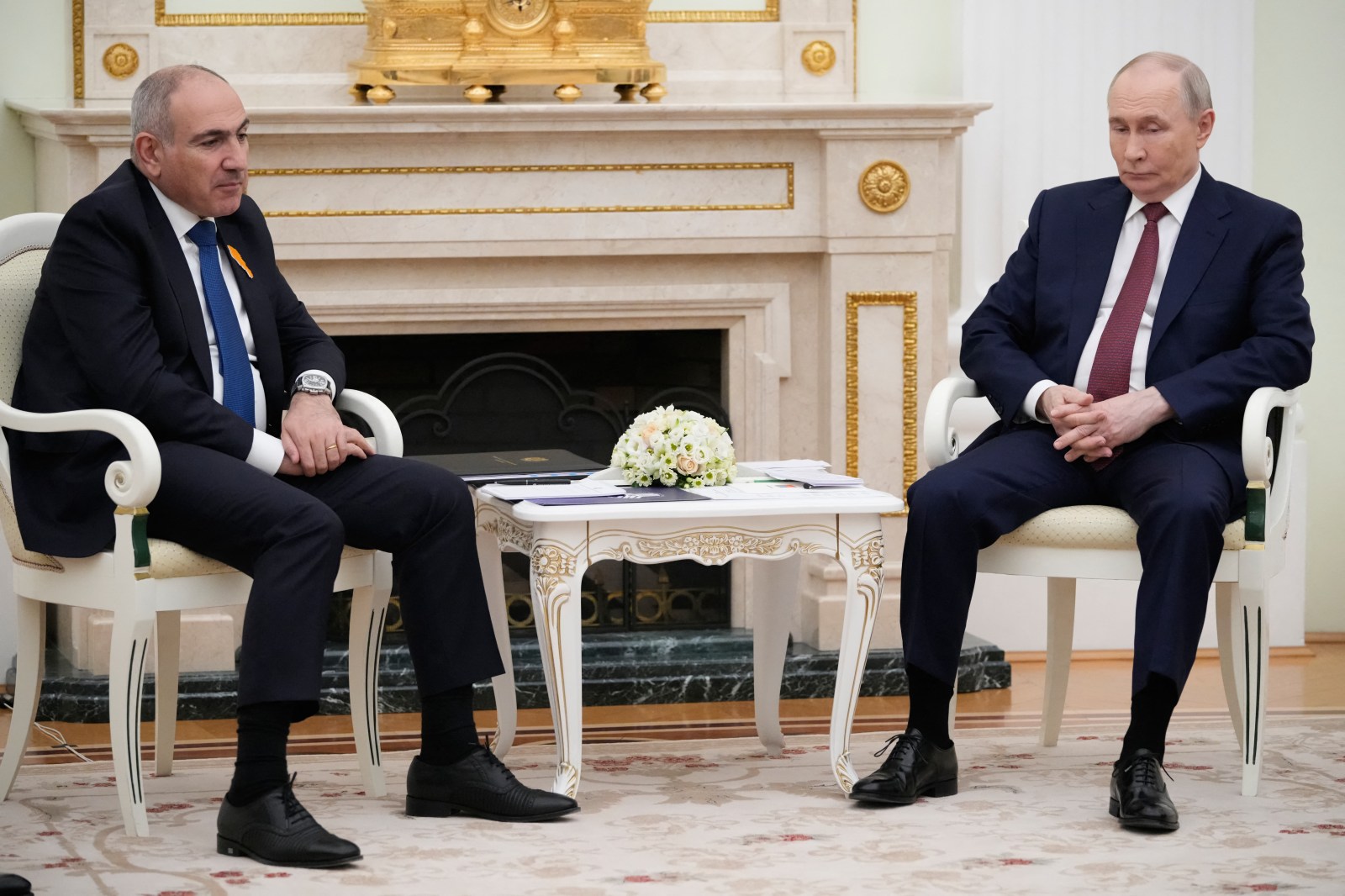
Armenia is taking steps to exit the Collective Security Treaty Organization (CSTO), significantly impacting Russia’s influence in the region. Armenian Prime Minister Nikol Pashinyan has decided to freeze cooperation with the CSTO. This move follows the bloc’s perceived inaction during conflicts with Azerbaijan.
Pashinyan expressed openness to Armenia’s expulsion from the group, freeing the nation from dilemmas related to the alliance. Kremlin spokesperson Dmitry Peskov acknowledged Armenia’s freedom to leave if it serves its national interests.
“I will be very pleased if the organization decides to expel the Republic of Armenia from the Collective Security Treaty Organization. At least it will free us from the dilemma of not leaving.” – Nikol Pashinyan
The Russian Influence and Armenia’s Historical Context
Russia’s influence over Armenia dates back to an 1828 treaty with Qajar Iran. Armenia became part of the Russian Empire, with Russia acting as a protector against Ottoman and Persian interests. Following brief independence in 1918, Armenia joined the Soviet Union in 1920.
Post-Soviet independence in 1991 saw Armenia maintain close military ties with Russia, joining the Collective Security Treaty in 1992. However, the alliance faced challenges from Azerbaijan, especially concerning the disputed Nagorno-Karabakh territory.
Current CSTO Dynamics
The CSTO includes Armenia, Belarus, Kazakhstan, Kyrgyzstan, Russia, and Tajikistan. Russia’s hesitation to intervene during the 2020, 2022, and 2023 conflicts with Azerbaijan raised questions about its support for Armenia.
Pashinyan noted that Russia’s security challenges might limit its ability to protect Armenia, causing a policy review in Yerevan. Consequently, Armenia decided to freeze participation in the CSTO instead of formally withdrawing.
U.S. Engagement and Strategic Shift
The U.S. has moved to strengthen ties with Armenia amidst waning Russian influence. Former President Donald Trump hosted Armenian and Azerbaijani leaders to initiate peace agreements and promote the Trump Route for International Peace and Prosperity (TRIPP). Part of this initiative includes establishing a rail route linking Azerbaijan and its exclave Nakhchivan through Armenia.
Pashinyan demonstrated intentions to pursue European Union membership but maintained ties with Russia’s Eurasian Economic Union. Armenia’s strategy balances East and West, leveraging both relationships for security and economic benefits.
Maintaining Geopolitical Balance
Armenia faces challenges in its pursuit of Western alliances while maintaining Russian ties. Experts suggest Armenia should avoid aligning with one side entirely, focusing on diversifying partnerships to strengthen its geopolitical position.
Leave a Reply