Australia is boosting safety measures for swimmers and surfers after a teacher suffered a shark attack at Coogee Beach by a great white shark. This situation has prompted authorities to implement increased surveillance.
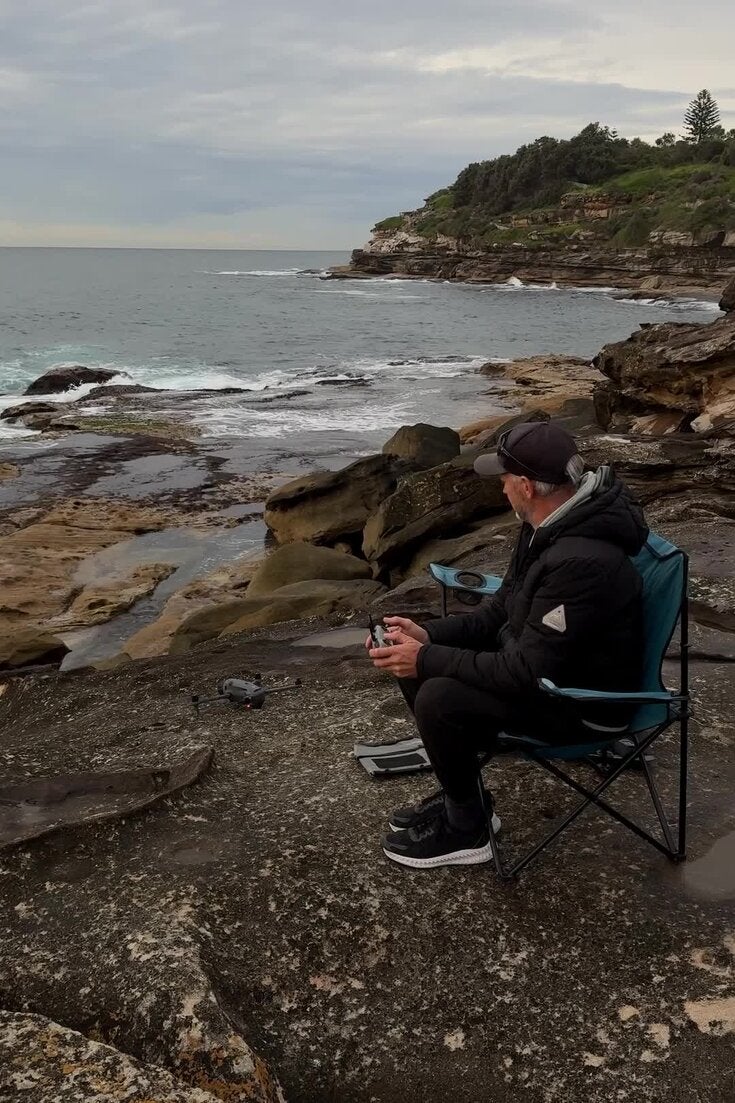
Jason Iggleden, situated comfortably in a teal camping chair on the rocky Bondi Beach coastline, operates a drone each morning. His goal is to detect any sharks in the water before lifeguards start their day. Iggleden asserts that drones provide the best means to monitor beach safety.
Shark attacks remain uncommon in Australia, yet recent incidents have heightened caution in Sydney. Last month, a great white shark reportedly attacked a schoolteacher at Coogee Beach, prompting a series of shark sightings along the coast. As a result, beaches were temporarily closed for days.
In response, New South Wales officials have escalated funding for aerial shark surveillance. The drone program, managed by Surf Life Saving New South Wales, now operates throughout the year across approximately 70 beaches. Previously, monitoring only occurred during summer and school holidays.
Drones play a crucial role in this safety endeavor. Once a dangerous shark is identified, drone pilots immediately notify lifeguards, enabling them to activate warning sirens and evacuate swimmers. The early July implementation of this expanded program led to several beach closures following shark sightings.
Leave a Reply