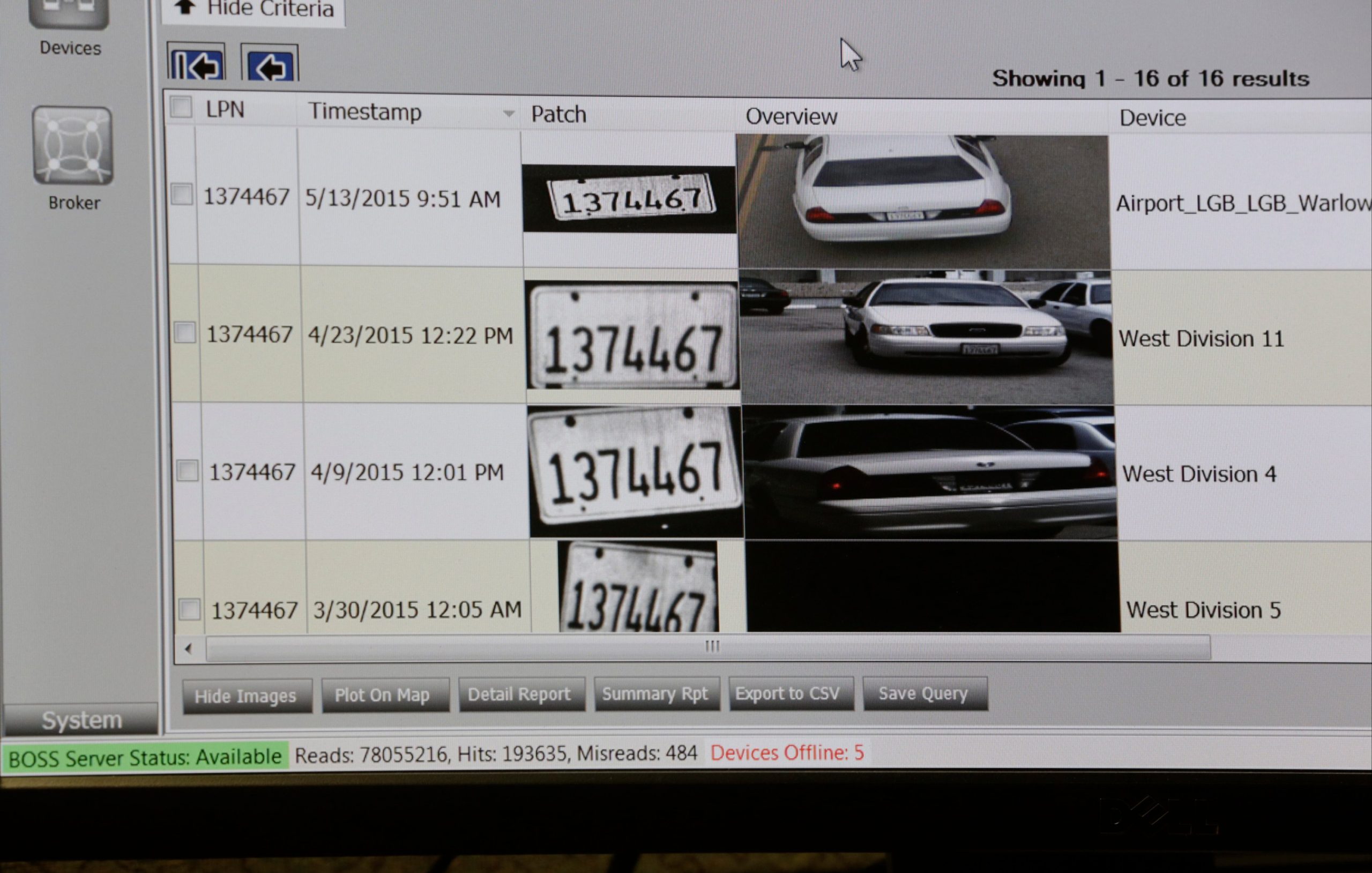
Automated license plate readers (ALPRs), including Flock cameras, have faced criticism across the U.S. They capture details like license plate, vehicle make, model, and color. Flock cameras can recognize vehicles traveling up to 100 MPH and identify whether a vehicle is local or visiting, and note any damage. Unlike Flock, Genetec’s ALPRs can estimate vehicle speed. Motorola’s version can detect accessories and unique features like bumper stickers.
Flock cameras take snapshots of vehicles passing by, rather than tracking all vehicles in an area. DeFlock offers a crowdsourced map showing ALPR locations, claiming data comes from volunteers and OpenStreetMap, not official sources. The map provides a view of camera placements near you, though Nexstar has not verified these locations independently.
ALPRs have been used for over two decades. They are attached to infrastructure like poles and streetlights and are also available in mobile formats. These devices compare plates against databases and can alert authorities to vehicles of interest. They facilitate vehicle searches and information sharing with agencies.
Nonetheless, backlash has led some regions to dismantle such systems. Locations in states like North Carolina, Indiana, and Florida have ceased their use over privacy concerns and misuse claims. Texas has withdrawn state funding. However, President Trump has expressed support for ALPRs, citing their benefits to law enforcement despite some viewing them as invasive.
Leave a Reply