A dramatic rescue unfolded at a California beach when a 10-year-old boy was swept from ankle-deep water into the ocean by powerful waves. Ryder Williams, a 16-year-old lifeguard with California State Parks, responded immediately, radioed for help, and raced into the water at Seabright State Beach in Santa Cruz on July 25. This heroic action garnered national attention, including praise from President Donald J. Trump, who invited Williams and his family to the White House for recognition.
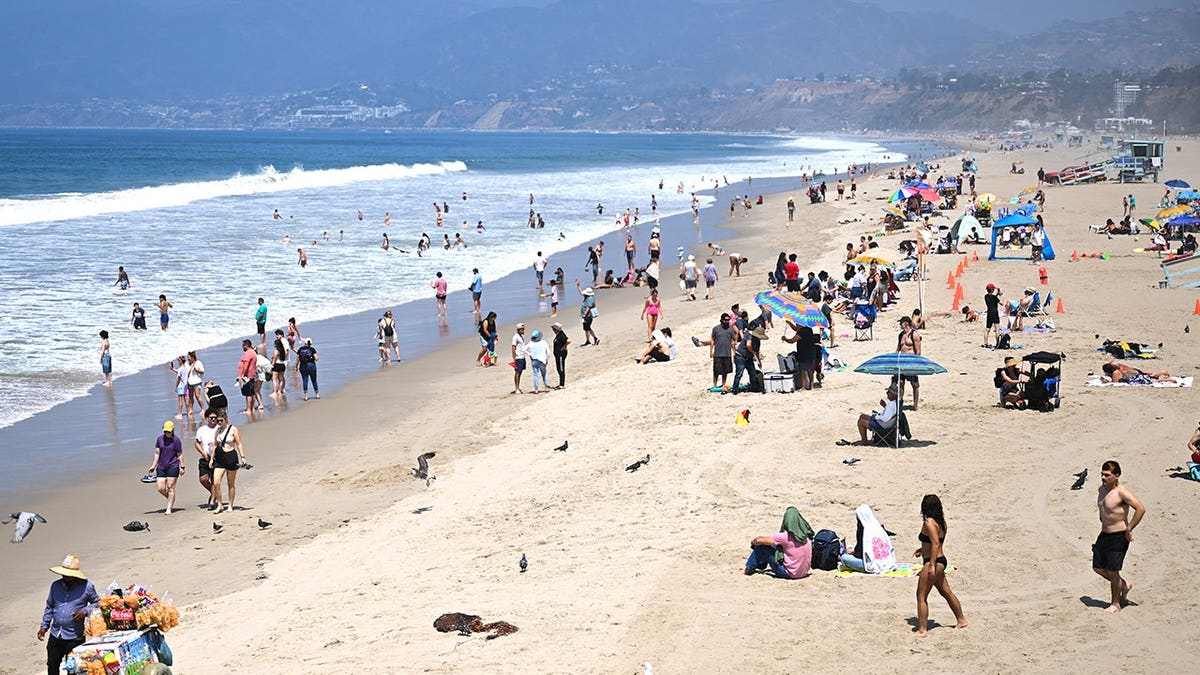
The rescue occurred during a weekend marked by hazardous conditions along California’s coast. Hundreds of miles away, Los Angeles County lifeguards performed nearly 2,000 rescues as extreme heat drove large crowds to the beaches. The Los Angeles County Lifeguard Division reported these figures on Instagram, urging visitors to consult lifeguards before entering the water.
“In total, @lacolifeguards performed just under 2,000 rescues as millions flocked to Los Angeles County beaches to beat the heat,” the Instagram post stated. The National Weather Service warned of elevated surf and strong rip currents affecting Southern California.
Swells from Hurricane Fausto contributed to life-threatening surf conditions during this period, as per the National Hurricane Center. Additionally, Tropical Cyclone Genevieve was expected to bring further high surf to Los Angeles and Ventura County beaches.
Beachgoers are encouraged by experts to take extra precautions during summer months. Dr. Molly O’Shea, a pediatrician with Goldfish Swim School, noted that El Niño and swells could keep surf conditions elevated. She advised swimming near open lifeguard stations and consulting lifeguards about water conditions.
O’Shea also stressed, “If you see someone struggling, don’t swim out after them without something that floats.” She added, “Throw it, don’t go,” as many rip current fatalities involve would-be rescuers who entered the water unprepared. The National Weather Service advises contacting lifeguards or calling 911 when someone gets caught in a rip current and using flotation devices where possible.
Thomas Gill, president of the United States Lifesaving Association, emphasized, “Not overestimate your ability to handle rough conditions.” He mentioned that rescue operations are more frequent during periods of dangerous surf, urging swimmers not to underestimate the ocean’s power.
When caught in a rip current, O’Shea recommends remaining calm, swimming parallel to the beach, and letting the waves guide you back. Avoid exhausting yourself by swimming directly against the current.
Overall, understanding and respecting ocean conditions is crucial to ensure safety at the beach.
Leave a Reply