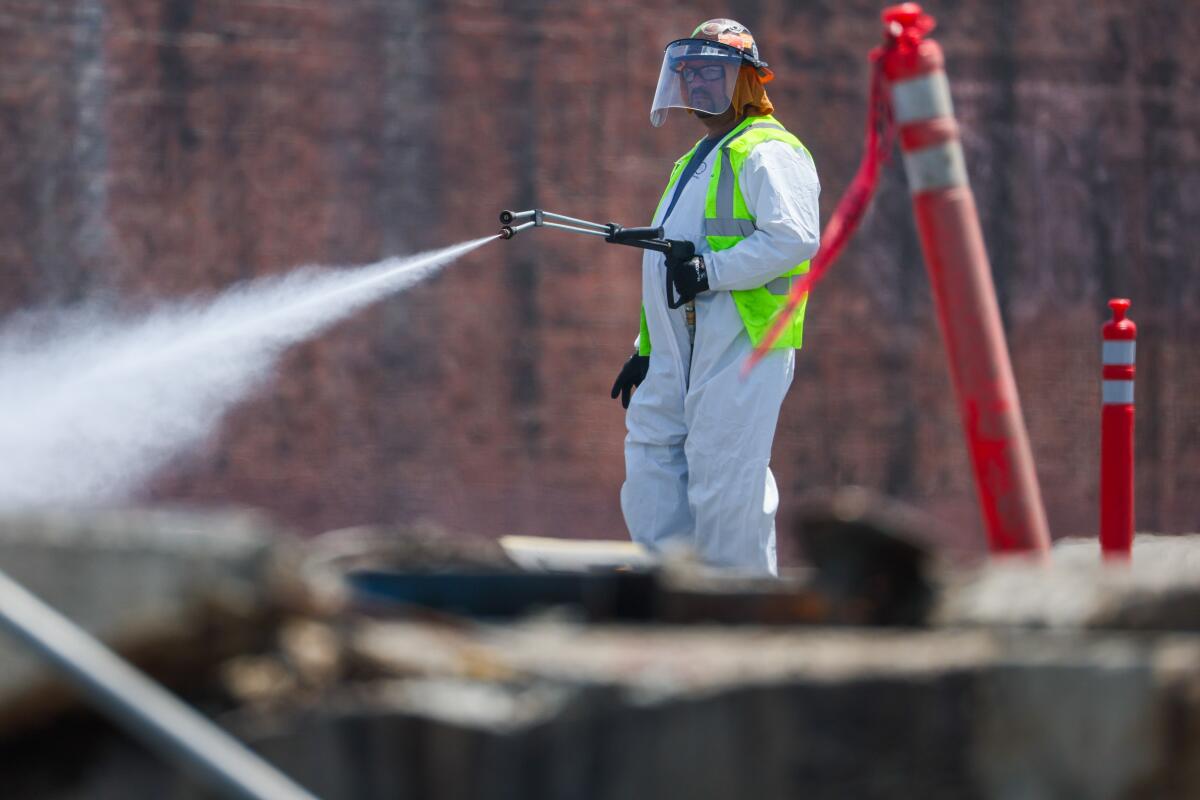
A significant number of Boyle Heights residents developed health issues following a fire at a local cold storage facility. These issues include respiratory infections, eye problems, and persistent cough, according to recent findings. A study by St. John’s Community Health linked these symptoms directly to toxic exposure from the smoke.
The report analyzed 1,306 patients treated at mobile clinics for about six weeks after the fire started on June 17. Jim Mangia, the CEO of St. John’s Community Health, emphasized the widespread and serious impacts of the Lineage fire. The study aligns with residents’ reports from the area around the warehouse.
Data indicates that air near the Lineage refrigerated warehouse fire contained extremely high levels of smoke and soot. These levels surpassed some of the worst pollution during Los Angeles County fires in January 2025. The number of emergency room visits for throat pain and smoke inhalation concerns rose significantly during this time. Lineage officials declined to comment.
The data released by St. John’s Community Health includes details from three mobile clinics deployed in the community. Of the 1,306 patients examined, 35.9% presented symptoms such as acute respiratory infections, eye disorders, conjunctivitis, cough, and asthma exacerbation. The report noted the majority of these patients were Latina women, with over 91% identifying as Latino and 64% being women. More than 63% of the patients were at least 50 years old. Others reported anxiety, acute stress, and insomnia.
Residents like Myrna Silva, living a block away from the Lineage warehouse, had to rely on air purifiers due to bronchial issues affecting her family. Los Angeles City Councilmember Ysabel Jurado stated the fire constituted a public health emergency and proposed funding for HVAC cleaning, odor remediation, and air filtration systems for affected households.
“Recovery will not end when the site is cleared,” Jurado noted, asserting that Lineage and all responsible parties should cover the recovery costs completely.
Public records revealed a sharp rise in hospital visits related to the fire or smoke inhalation. The fire, which began on the roof of the 500,000-square-foot facility, spread intense smoke across the area. Despite this, no evacuation orders were issued.
Though the fire was declared under control on June 24, 88 million pounds of decomposing food remained, leading to further issues from its smell. Heat waves exacerbated the stench, causing nausea and headaches among residents.
Although 97% of the waste is now cleared according to Lineage, the company missed a cleanup deadline set by Mayor Karen Bass. Residents and groups believe deeper health studies are necessary. The current report captures mainly respiratory problems, but unexplored effects include rashes and skin irritations.
Even as clinic visits decrease, concerns about other issues like pests linked to the fire persist. Mangia noted the ongoing presence of flies and rats in the area. Lineage continues to incur fines from health regulators, a minor financial blow for the influential company valued over $4 billion last year.
Despite the health challenges, some residents hesitate to seek medical care, possibly resulting in underreported data. Alma Marquez of Protect L.A. Now highlighted that many residents endure symptoms without visiting medical facilities, suggesting significant underreporting.
Leave a Reply