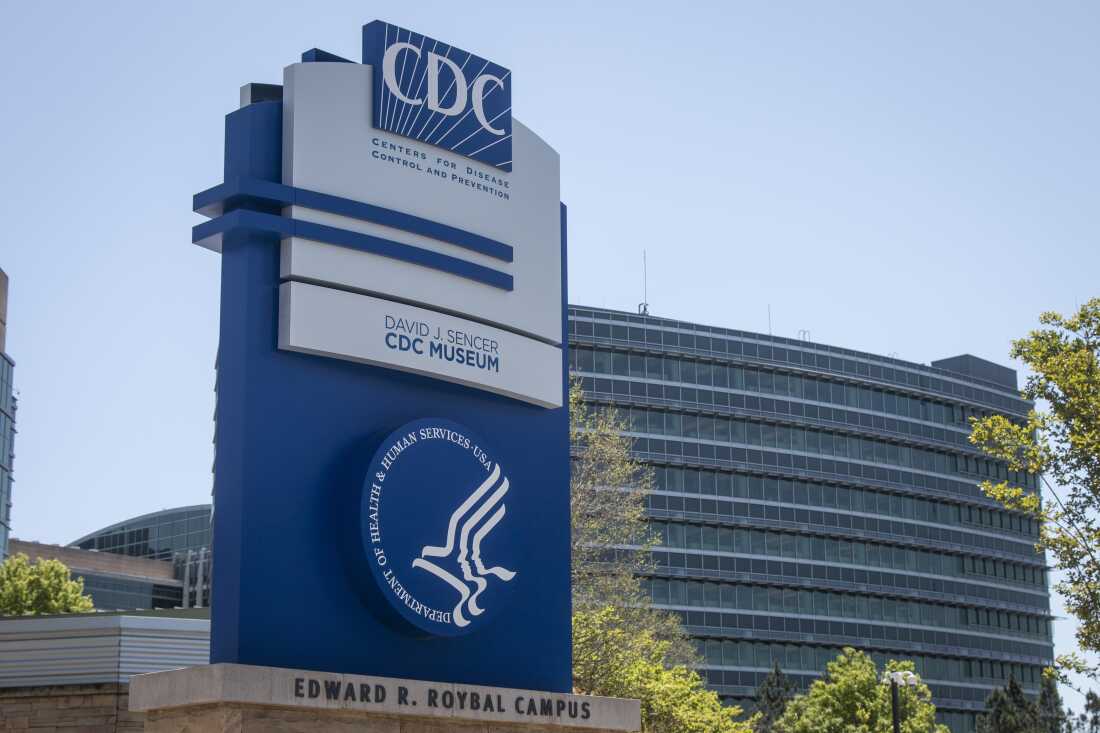
The Centers for Disease Control and Prevention (CDC) is investigating an increase in cases of cyclosporiasis across the United States. As of Tuesday, authorities have reported 1,645 confirmed cases of cyclosporiasis, a gastrointestinal illness caused by the Cyclospora parasite, according to the CDC.
However, the real number of infections is likely higher since this figure only includes cases reported directly to the CDC. There is often a delay between symptom onset and reporting, and many recover without seeking medical treatment. Michigan alone reported 3,309 cases as of Tuesday.
Current Situation
As of Thursday, there have been 141 hospitalizations nationwide, with no deaths reported. Health officials are also examining clusters of cases potentially linked across states such as Michigan, Ohio, West Virginia, and Kentucky.
Infections result from consuming food or water contaminated with the parasite. Past outbreaks have often been linked to fresh produce; for instance, McDonald’s removed salads in 14 states in 2018 due to links with cyclosporiasis cases.
The illness spreads through food or water, not from person to person, explained Gwen Biggerstaff, deputy director of CDC’s Division of Foodborne, Waterborne, and Environmental Diseases.
Cyclosporiasis cases typically rise in spring and summer, but CDC notes a significant increase over the previous two weeks compared to last year, when only 249 cases were reported at this time.
Regional Impact
Cases have been reported in states ranging from California to Texas to Florida since May. The Midwest and Northeast, particularly Michigan and New York, are among some of the areas most affected. Ohio, for example, reported 177 cases as of July 2, mostly occurring in June.
Dr. Bruce Vanderhoff, director of the Ohio Department of Health, emphasized the seriousness of cyclosporiasis as it can lead to dehydration requiring emergency care.
CDC data shows affected individuals range from 5 to 88 years old, with cases likely to rise due to reporting delays.
Uncertain Source
The source of the outbreak remains unclear. The CDC continues efforts to identify the source by interviewing infected individuals regarding their food consumption. Symptoms can appear 2-2 weeks after infection, adding complexity to pinpointing the exact food source.
Past outbreaks have linked cyclosporiasis to various produce like raspberries, basil, cilantro, snow peas, and lettuce.
Prevention
Cooking produce effectively prevents infection, as heating food to 158 degrees Fahrenheit kills Cyclospora. Public health officials advise thorough rinsing of fresh produce under running water before consumption, even for pre-washed items.
Adhering to standard food safety rules is crucial, including washing hands with soap and water before and after handling produce.
What to Do If Symptoms Appear
If symptoms develop, particularly prolonged watery diarrhea accompanied by fatigue or loss of appetite, CDC recommends seeking medical attention. Dr. Kawsar Talaat from Johns Hopkins Hospital advises seeing a doctor if diarrhea persists for more than a couple of days or returns after going away.
Testing is epidemiologically vital to understand outbreak transmission. Standard tests for diarrhea cannot identify cyclosporiasis; a specific stool test is needed. Multiple samples might be necessary due to variability in the life cycle of the organism.
For treatment, the antibiotic trimethoprim/sulfamethoxazole, known as Bactrim or Septra, is effective against Cyclospora despite its parasitic nature.
Talaat notes most healthy adults experience self-limited infections, resolving naturally. However, older, younger, or immunocompromised individuals should seek prompt testing and treatment to avoid hospitalization risks.
Leave a Reply