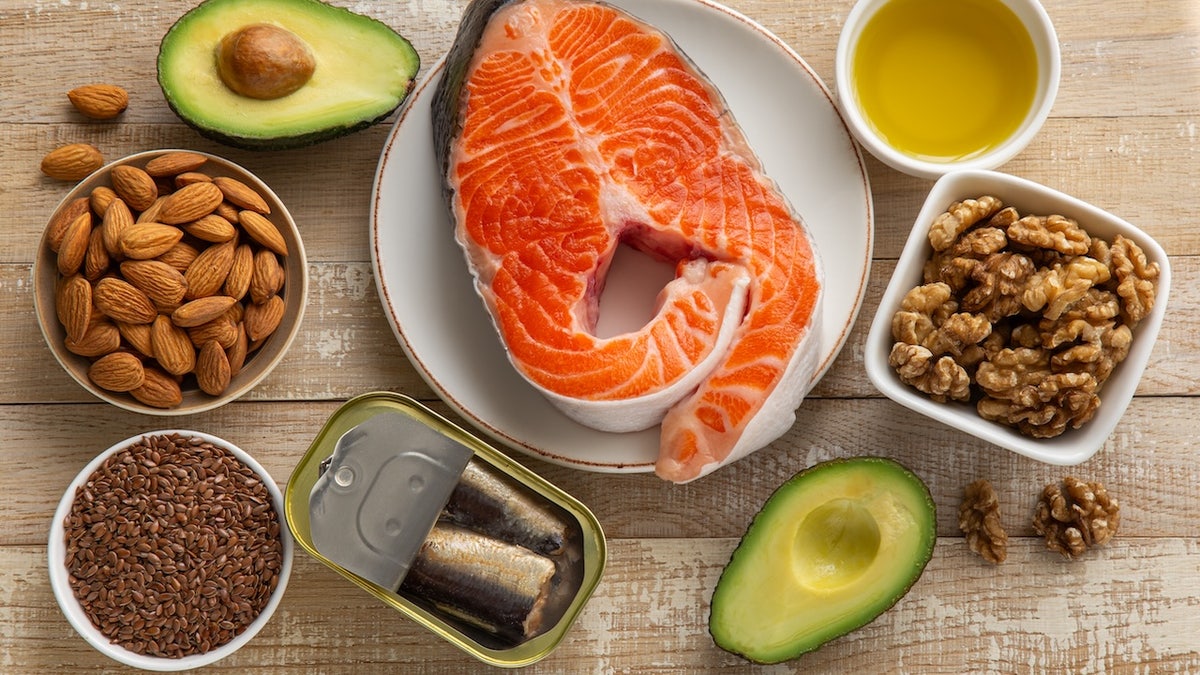
Recent research suggests that a diet abundant in fruits, vegetables, fish, and olive oil may enhance mental strength even in later years. In England, older adults who adhered to a Mediterranean diet during the peak of the COVID-19 pandemic experienced better psychological well-being than those who did not.
The study monitored over 3,000 adults aged 50 to 90 to explore the connection between their dietary choices and long-term life outlook, as outlined in a press release.
Survey Insights and Findings
Participants completed surveys assessing positive psychological traits, such as autonomy, life satisfaction, purpose, and control over daily routines. Researchers assigned a score to each participant based on how closely their diet resembled the traditional Mediterranean pattern.
The findings indicate that the enhancement in well-being was not due to caloric intake differences. Instead, the specific foods consumed played a significant role.
Mental Well-Being and the Pandemic
Data revealed that adherence to the Mediterranean diet correlated with improved overall well-being, maintaining its significance even after adjusting for factors like income, education, physical activity, smoking habits, and general physical health.
During the early pandemic months, while emotional well-being and happiness generally declined, those following the Mediterranean diet experienced a less severe drop. These findings appeared in the publication BMJ Open.
The diet’s natural anti-inflammatory components, such as omega-3 fatty acids and polyphenols in extra virgin olive oil, contribute to reducing brain inflammation and supporting a healthy gut, directly affecting mood-regulating hormones.
Research Limitations and Expert Opinions
Kim Kulp, a registered dietitian nutritionist, noted that the Mediterranean diet’s variety of plant foods provides critical nutrients and prebiotics to nourish beneficial gut microbes. However, researchers acknowledged limitations, including reliance on potentially inaccurate self-reported dietary surveys.
The participants were typically healthier and wealthier than the general population, which might limit the broader applicability of the results. The study also involved only two days of dietary data alongside limited psychological testing.
While this observational study cannot definitively establish a cause-and-effect relationship between diet and mental health, it reaffirms the potential benefits of a nutrient-rich Mediterranean diet in reducing stress and enhancing well-being.
Leave a Reply