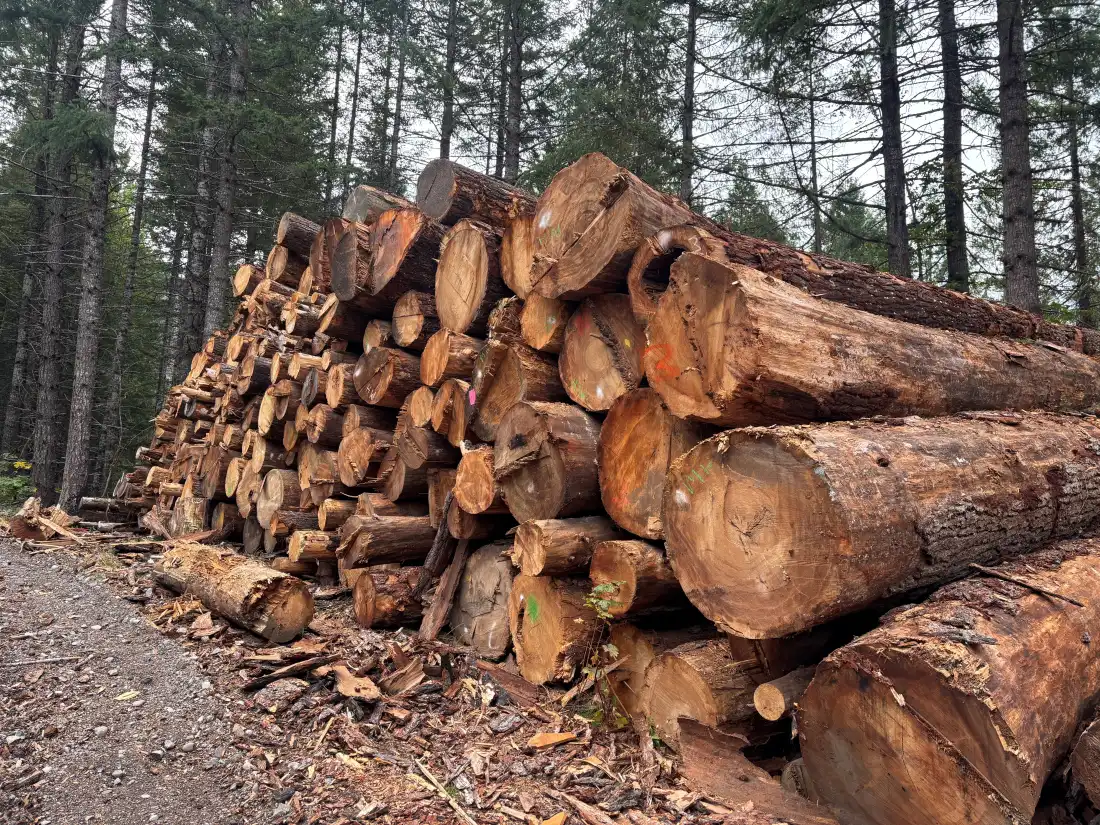
In Eugene, Oregon, the potential repeal of the Roadless Rule is stirring conversations about the future of the country’s national forests. President Trump’s administration plans to open 44 million acres of national forests, aiming to boost timber jobs in struggling towns and mitigate wildfire risks by allowing logging in previously protected areas. This move follows previous executive actions to increase timber sales and reverse the Roadless Rule, which since 2001 has restricted new logging in undeveloped forest areas.
Sean Smith, CEO of Starfire Lumber in Cottage Grove, Oregon, acknowledges that executive orders set a direction, yet he highlights other pressing issues faced by the timber industry. Standing amid a busy lumber yard, he notes that high diesel prices and inflation, influenced by international tensions such as Trump’s conflict with Iran, exacerbate the situation. The cost of necessary supplies like sawblades and ball bearings is rising, pushing the reversal of the Roadless Rule lower on the priority list.
Smith supports the repeal, anticipating it will ensure a steady local timber supply. He emphasizes that overgrown forest areas, particularly in the Willamette National Forest, are at higher risk for devastating wildfires. For him, it’s not about accessing cheaper timber but about protecting these landscapes from fire damage.
Despite the administration’s hopes, the timber industry remains a shadow of its former self. While the Forest Service and timber advocates argue for the repeal to enable wildfire prevention and forest management, lawsuits and bureaucratic challenges have hindered efforts to manage already accessible forests. Jeff Brink, a logger near Eugene, points out the labor shortages and financial challenges, stressing that the industry has contracted significantly since the 1980s.
Since the 1990s, federal timber sales have dropped nearly 90% due to stricter environmental regulations and competition from Canadian imports. This decline has resulted in the closure of an estimated 400 mills and significant job losses across the Northwest. Overturning the Roadless Rule might increase timber sales by 5-10%, a marginal gain given current industry challenges.
Environmental concerns also loom. Timothy Ingalsbee, a retired firefighter, warns against further road construction in forests, expressing skepticism about claims that such efforts will aid wildfire prevention. He criticizes the motivations behind Trump’s orders, suggesting ideological forces rather than economic drivers are at play. Ingalsbee fears increased human activity due to new roadways could amplify wildfire risks.
The recurring shifts in forest policies, alternating with each presidential administration, frustrate industry stakeholders like Sean Smith. He notes that such inconsistency creates a challenging business environment. Without decisive action from Congress to either protect or develop these lands, the existing administrative rules remain contentious.
Leave a Reply