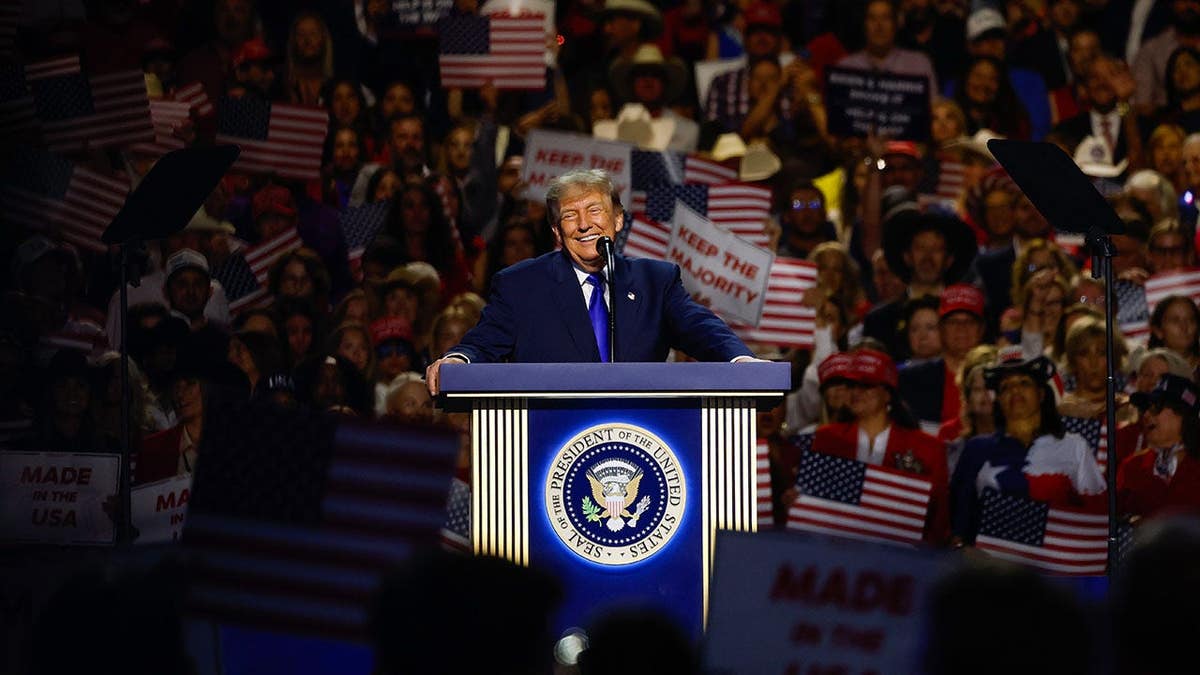
The upcoming midterm elections have triggered a wave of aggressive political advertising. Candidates are deploying harsh attacks and accusations as they vie for control, notably in the Senate. This push is amplified by social media and heightened public interest, given that many states remain battlegrounds for Senate control.
Political Tensions Rise
Shannon O’Brien, the former chair of Montana’s Democratic Party, recently resigned. She cited deep divisions within the party, stemming from the critical Senate race. O’Brien emphasized that the outcome of this race could influence future Supreme Court nominations.
Legal and Ethical Issues Surface
Virginia Democratic State Senator L. Louise Lucas faces federal charges, including racketeering and money laundering, linked to a cannabis business. The investigation began before the Trump administration. Lucas remains defiant, recalling the racial discrimination she experienced under Jim Crow laws.
President Trump’s involvement has further nationalized the ongoing election campaigns. His rhetoric encourages voters to act as if his name is on the ballot, leading to increased polarization.
Accusations and Defenses
An advertisement by a local council member in Des Moines attacked a Democratic candidate, labeling them dangerous for children. The Washington Post reported the council member herself had been convicted of child endangerment.
A Vanity Fair article made accusations against Jared Kushner regarding alleged foreign financial dealings. Kushner’s attorney challenged the publication to provide concrete evidence, such as bank statements or wire transfers.
Contentious Campaigns and Ads
The use of inflammatory advertisements is widespread. In Ohio, a political ad against Democrat Amy Acton featured accusations from her estranged mother, stemming from alleged abuse by Acton’s stepfather, now deceased. This ad was denounced by some, including Ohio Gov. Mike DeWine. However, Trump defended its use as a legitimate campaign tactic.
In Texas, Republican Representative Monica De La Cruz launched a campaign against her opponent, Bobby Pulido, accusing him of covering up serious allegations. Pulido refuted these claims in a Politico interview.
For the Texas Senate race, an AI-generated ad alleged that James Talarico supported an income tax, though fact-checkers disputed this. Talarico’s counter-ad pointed to existing controversies involving his opponent, Ken Paxton.
Voter Response
As these campaigns continue, many voters might become overwhelmed by the intense rhetoric and accusations. The focus of the current political climate leaves some feeling disconnected from the process. The key question remains whether these tactics will lead to voter apathy and absenteeism in the 2026 elections.
The analysis by Howard Kurtz, a seasoned media and political analyst, suggests that the current political climate is more charged than in previous election cycles. His experience underscores a shifting landscape of political advertising.
Leave a Reply