Bobby Jones, born on March 17, 1902, in Atlanta, Georgia, is celebrated as one of history’s greatest amateur golfers. At the age of 14, Jones made it to the third round of the U.S. Amateur, showcasing his early potential. Over his career, he won 13 major championships, all as an amateur, setting a record that remains unbroken. In 1930, he achieved an unparalleled feat, marking his legacy in the sport.
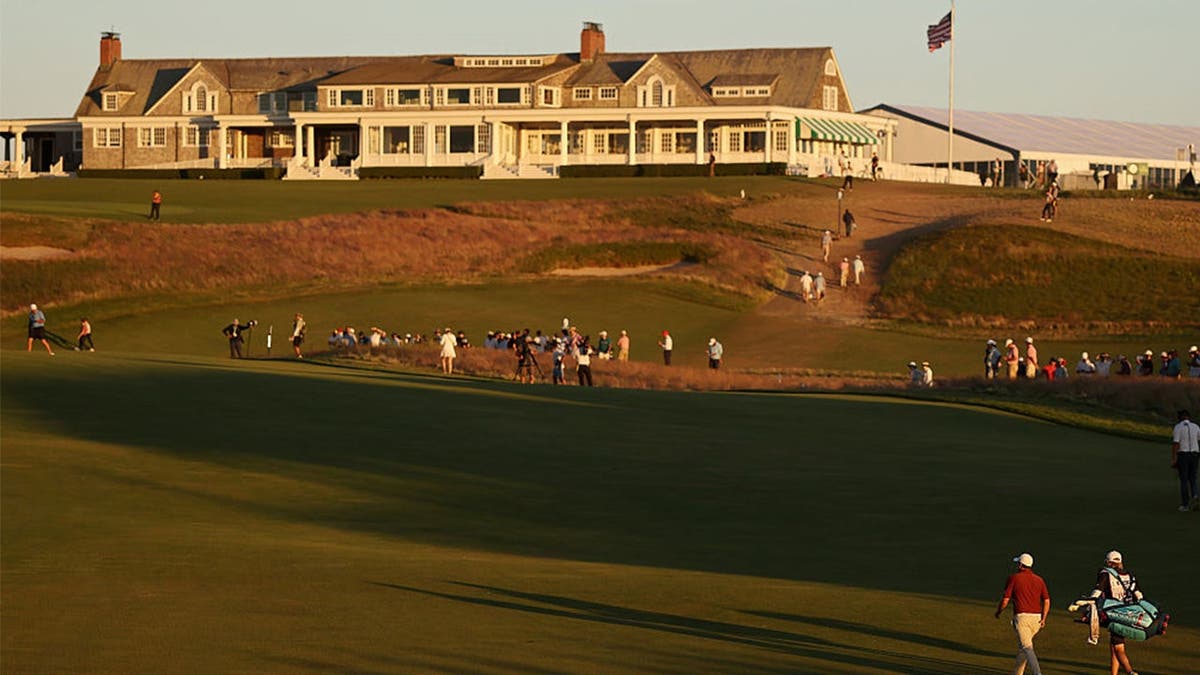
The recent U.S. Open held at Shinnecock Hills Golf Club highlighted the logistical challenges at this renowned venue. Despite its reputation as one of the top championship golf courses globally, its position on Long Island, New York, poses transportation difficulties for the massive crowds attending. These events unfolded with Wyndham Clark leading by six shots after 54 holes on Saturday evening. However, the closing moments were marked by sparse galleries and a lack of atmosphere.
The scheduling and location contributed significantly to the decline in energy towards the final holes. Although the crowds were large, vocal, and engaged throughout the morning and early afternoon, the scene grew noticeably flat by the evening. Clark mentioned the unfortunate timing, which resulted in key moments being played in near darkness, affecting the overall experience.
Transportation issues remain central to these challenges, particularly with much of the fan base coming from New York City’s boroughs. The Long Island Rail Road (LIRR) was critical in ferrying fans with additional trains during tournament week. However, the lengthy journey, lasting over four hours with multiple stops, forced many spectators to return early to the city.
Fans, including families, seeking to reach Grand Central Station or Penn Station before 9 p.m. on Saturday were compelled to board the 6:07 p.m. train. The final train from Shinnecock left at 9:30 p.m., reaching Grand Central post-midnight, posing inconvenience to attendees.
Writer Mark Harris, affiliated with OutKick, sheds light on these concerns, suggesting that while the USGA might face criticism for the situation, transportation remains the main culprit behind the diminished atmosphere at such significant events.
Leave a Reply