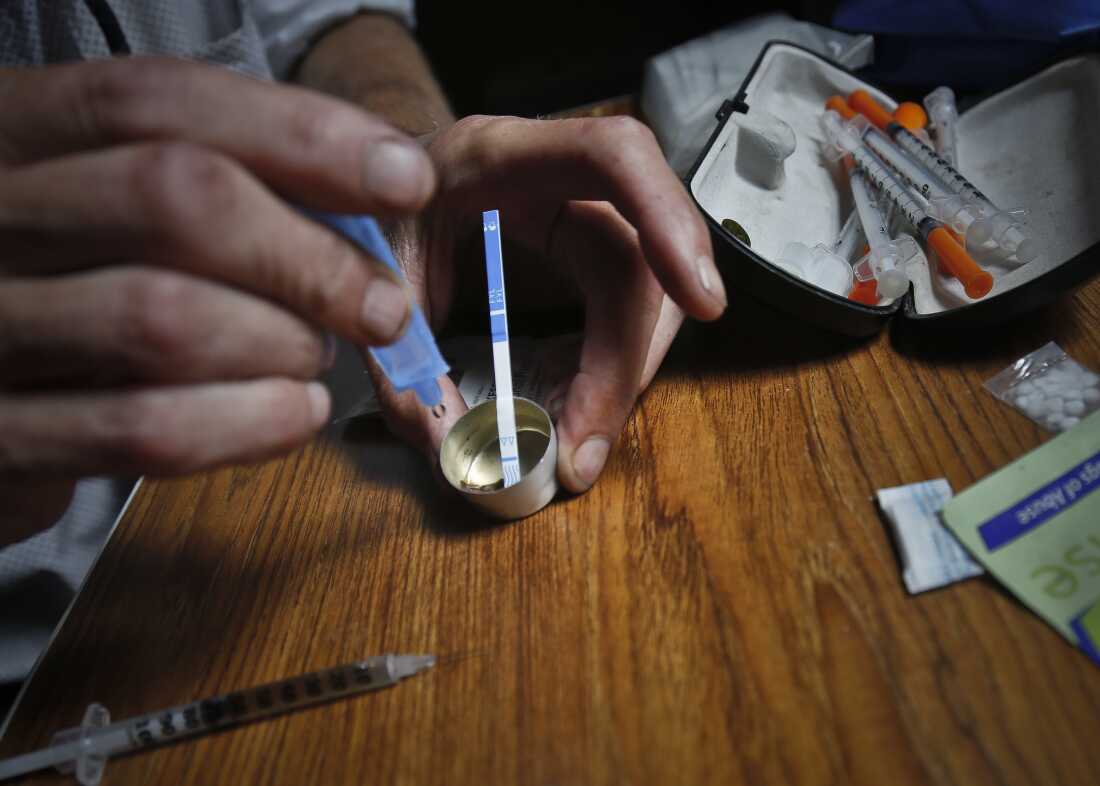
The use of test strips for detecting adulterants in drugs has been a crucial part of harm reduction strategies in Baltimore. On August 22, 2018, a drug user tested heroin in New York using a strip to check for fentanyl, a substance that raises overdose risks. In Baltimore, three mass overdose incidents occurred within three months in the Penn North neighborhood last year. Over two dozen hospitalizations followed with individuals found lying in streets due to drug mixes containing N-methylclonazepam, a benzodiazepine akin to Xanax or Valium.
Benzodiazepines, like opioids, can suppress breathing, boosting overdose risks. However, opioid reversal drugs don’t work against benzodiazepines. In response, the Baltimore Harm Reduction Coalition developed and distributed test strips for benzodiazepines and others, including fentanyl, xylazine, and medetomidine. Available free of charge, these strips can be found in clinics, bars, and on street corners, enabling users to check substances by mixing them with water and dipping the strip.
Candy Kerr, spokesperson for the coalition, highlights the uncertainty faced by users and the benefits of test strips allowing for more cautious drug use. But a new federal policy threatens this approach. In April, the Substance Abuse and Mental Health Services Administration restricted federal grants for distributing test strips and supporting other harm reduction methods. This decision followed a letter explaining the administration’s belief that such practices encourage illicit drug use and conflict with federal laws.
Federal grants can no longer support programs offering clean needles or drug paraphernalia, nor fund specialized hotlines for users needing help during drug use. Emily Hilliard, spokesperson of HHS, emphasized focusing more on providing naloxone, an opioid overdose reversal nasal spray. She stated the importance of federal funds supporting proven life-saving solutions.
The new policy still permits federal funds for test strips used by medical and law enforcement officials, who track drug supply adulterants. Yngvild Olsen, former overseer of SAMHSA’s Center for Substance Abuse Treatment, underscores evidence supporting behavior modification from test strip usage among drug users. Possible reactions include reduced dosage or using other precautions like naloxone.
Kerr advocates continuing the use of test strips alongside naloxone distribution, noting Baltimore’s overdose death reduction of over 40% since 2023. While nonprofits must seek alternative funding under new regulations, Kerr notes the importance of maintaining full service coverage to prevent more overdoses. Adjustments include reducing services, such as distributing hygiene kits, to finance test strips.
This report is part of NPR’s collaboration with WYPR and KFF Health News.
Leave a Reply