Since encountering a violinist near Pershing Square in 2005, I’ve closely followed mayoral promises to address homelessness in Los Angeles. Each mayor, including Antonio Villaraigosa, Eric Garcetti, and Karen Bass, aimed to solve the issue. Despite their efforts, the problem persists, with over 40,000 currently homeless in the city.
Mayor-elect Nithya Raman is poised to attempt what previous administrations could not. Homelessness rose citywide but decreased in her council district. Raman criticized Bass’s strategy as costly and ineffective during her campaign. “When I’m mayor, we’ll cut tents and encampments in half by the Olympics,” Raman promised in a campaign video.
Grand promises are familiar. In 2006, Villaraigosa announced a 10-year plan to end homelessness. Garcetti promised in 2013 to end chronic homelessness and in 2018 to halve the problem in five years. Bass’s goal was to end street homelessness by her term’s end.
The complexity of homelessness stems from issues like economic disparity, high housing costs, untreated mental illness, and addiction. A mayor cannot resolve these without broader collaboration. Federal, state, and local contributions are essential.
Bass’s “Inside Safe” program showed limited success. It housed about 6,000 people at a cost of $300 million, but 41% returned to the streets. Raman suggests short-term rental vouchers as a cheaper alternative and plans to have City Controller Kenneth Mejia audit homelessness spending. She also seeks to leverage Medi-Cal for more street medicine teams and stresses accountability.
Implementing Raman’s plans will require overcoming significant City Hall obstacles. Her past successes against incumbents show her capability, supported by her urban planning background and experience with the SELAH Neighborhood Homeless Coalition. She understands homelessness intimately, which may enhance her effectiveness.
Louis Abramson, chair of SELAH, believes Raman’s expertise could aid her efforts. He hopes she will advance affordable housing. Raman’s political bravery is notable, and building relationships has been central to her initiatives.
Reversing homelessness requires more than temporary housing. Long-term management and creating a sense of purpose are crucial. Recent experiences at Chrysalis verified this notion, illustrating the importance of community involvement and support systems.
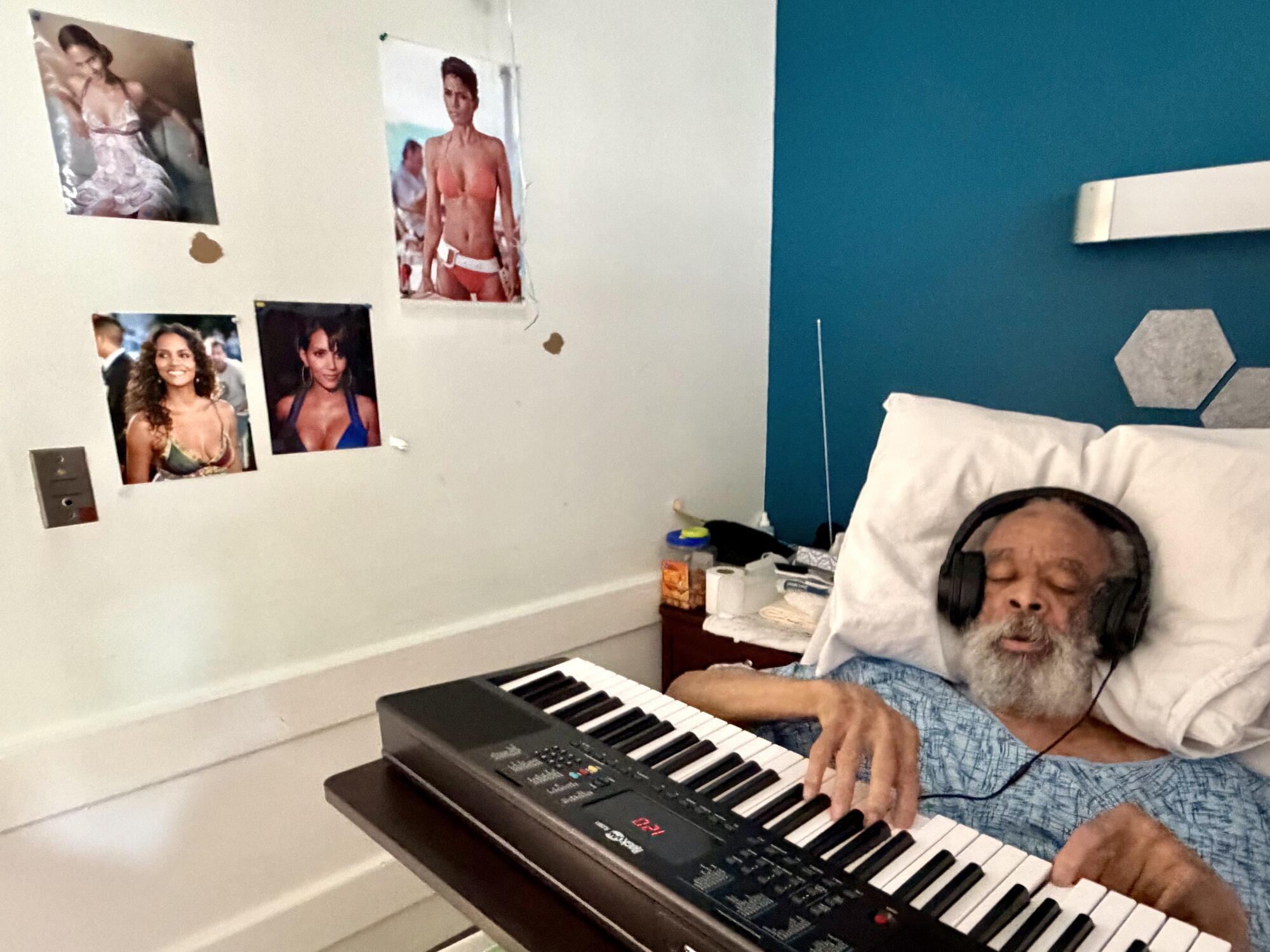
My friend Nathaniel, a musician, represents the impact of human relationships in overcoming homelessness. It took a year of persuasion from various parties for him to move indoors. He now resides in a nursing home, enjoying music and a gallery of inspiring figures, including Halle Berry.
Nathaniel’s story emphasizes seeing the human side rather than statistics. Recognizing personal stories enhances community commitment and connection.
For Los Angeles’s thousands of homeless, including figures like Nathaniel, the hope remains that the new mayor can create meaningful change.
Leave a Reply