By May 25, 2026, emergency teams in Cypress, California, faced a critical challenge. Fifty thousand residents remained under evacuation orders in response to a potential chemical explosion at an aerospace site in Garden Grove. Officials expressed cautious optimism but acknowledged that the risk persisted.
The Risk at Hand
The danger stemmed from a tank containing methyl methacrylate (MMA) at GKN Aerospace. Fears centered on a potential “thermal runaway” reaction, which could elevate temperatures and pressure to hazardous levels.
Evacuees Confront Challenges
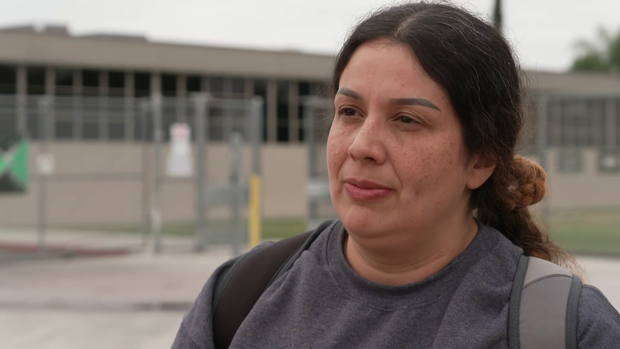
Residents faced uncertainty, having left their homes during Memorial Day weekend amid warnings of a possible explosion. Jackie Urquiza, along with her young son, evacuated from their nearby home. “We don’t know how much longer it’ll be,” Urquiza said, highlighting issues such as a lack of clothing and impending medication shortages.
Urquiza noted the lack of awareness about the stored chemicals. The abrupt evacuation at dawn left her scrambling to gather essentials in a state of alarm.
Other residents shared similar experiences. Andrea Luna spent nights in a parking lot with her children, describing the ordeal as both “devastating” and “nerve-racking.” Pavel Ramirez-Tellez evacuated so hurriedly that he forgot shoes, departing in slippers.
Progress and Continued Concerns
Emergency teams made strides when hazardous materials experts inspected and identified a crack releasing pressure from the tank. TJ McGovern from the Orange County Fire Authority confirmed the reduced likelihood of a Boiling Liquid Expanding Vapor Explosion (BLEVE). Although pressure release provided some relief, temperature monitoring remained crucial.
The interim Chief noted, “The explosion would come with increased temps,” underscoring ongoing challenges in assessing core conditions. Evacuation orders persisted as responders cautiously managed the situation.
GKN Aerospace issued an apology for the disruptions caused, acknowledging community concerns. The company faced previous environmental scrutiny, including nearly $1 million in penalties in 2021.
MMA Hazards and Safety Measures
MMA, primarily used in plastics and glass, poses toxicity risks when unstable. Elias Picazo, a University of Southern California chemistry professor, warned of dizziness, nausea, and respiratory issues from inhalation. Fortunately, air monitoring found no toxic releases, according to the Environmental Protection Agency.
Officials continued investigating the tank’s failure while legal actions emerged, with at least two class-action lawsuits filed.
Uncertain Resolution
Responders worked with caution, limiting personnel in the danger zone. McGovern highlighted strategic approaches to ensure firefighter and public safety, while the timeline for community return remained unknown. “We have to do this very strategically,” he emphasized, as safety took precedence.
Leave a Reply