A new AI model from China has surprised the U.S. tech industry. Moonshot, a Beijing-based startup, introduced Kimi K3. This model rivals the top versions of Anthropic’s Claude and OpenAI’s ChatGPT.
Surpassing U.S. Models
According to Anastasios Angelopoulos, CEO of Arena, Kimi K3 might be the most significant release this year. Open-source Chinese models are now overtaking U.S. closed models. Kimi K3 performed outstandingly in Arena’s ‘front-end coding capability’ ranking, which measures the performance of AI large language models.
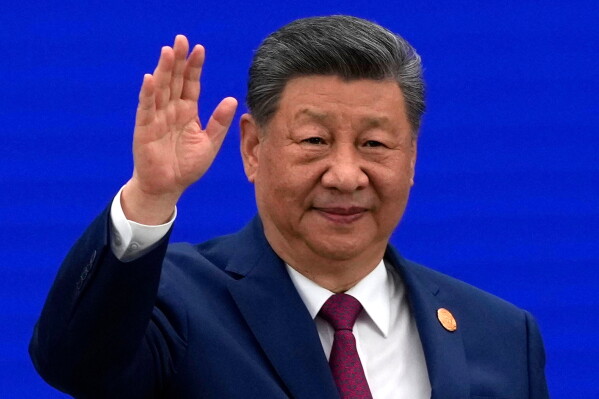
The launch coincided with Chinese President Xi Jinping’s speech at the World Artificial Intelligence Conference in Shanghai. Amidst American restrictions, China is striving to advance its own technologies, increasing the competition between the two biggest economies.
Xi emphasized, “Artificial intelligence development should be a symphony of global cooperation.”
Chinese Advancements
Last month, Zhipu, another Chinese startup, released the GLM-5.2 model. Developers worldwide praise its efficiency and cost-effectiveness compared to top U.S. models. Responses to these releases echo past market shocks, such as DeepSeek’s model launch. Tech analyst Patrick Moorhead tweeted that reactions to K3 resemble panic over DeepSeek’s model last year.
Huawei showcased Atlas 950 SuperPoD, signaling China is preparing domestic hardware despite U.S. import restrictions. Moonshot, a partner with Huawei, has not disclosed the hardware used for K3. K3’s usage cost is half the price of OpenAI’s GPT-5.6 Sol model, according to Bank of America’s report.
Contentions in AI Development
U.S. politicians and AI companies accuse Chinese models of unauthorized ‘distillation’ of their technologies. Beijing has dismissed these claims. Anthropic asserted Chinese labs like DeepSeek and Moonshot have unlawfully acquired capabilities by distilling Claude’s outputs. This method accelerates acquiring technology compared to independent development.
Conversely, San Francisco’s Anysphere admits it used Moonshot’s K2.5 model as a base for its product Cursor. Elon Musk’s SpaceX plans to buy Cursor for $60 billion.
Open-Source AI Advancements
Yang Zhilin, Moonshot’s co-founder, received his Ph.D. from Carnegie Mellon University. His former colleagues are proud despite the U.S.-China rivalry. Russ Salakhutdinov, Yang’s former adviser, praised the open-source community’s success.
Open-source developers allow others to examine and modify AI technology. Advocates believe this encourages innovation, while critics cite security risks.
Leave a Reply