Japan’s parliament approved a significant amendment to the 19th-century Imperial House Law. This revision mandates that only paternal-lineage males can ascend to the throne. The change has raised concerns about the long-term future of the already dwindling imperial family.
The changes encompass allowing the adoption of distant male relatives to father future heirs and letting princesses maintain their royal status after marrying commoners. Many fear these revisions threaten the 1,500-year-old hereditary institution by sticking to male-only succession rules.
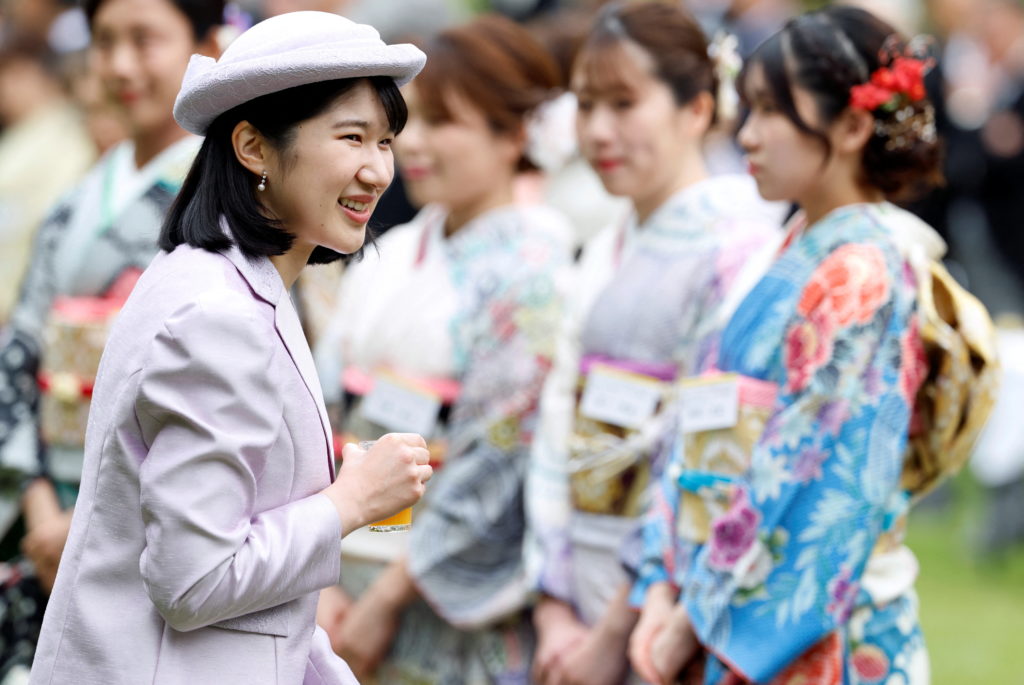
Currently, Emperor Naruhito’s line of succession excludes his popular daughter, Princess Aiko, solely because of her gender. According to the new rule, the line of succession moves from the emperor’s younger brother to his 19-year-old nephew, Prince Hisahito, and then to the emperor’s 90-year-old uncle.
In an imperial family where male heirs are crucial, Hisahito stands out as the first male born in four decades. Only five out of 16 adults in the imperial family are male, pointing to an urgent need for more male heirs.
Understanding the Amendments
Prime Minister Sanae Takaichi and other conservatives argue that the male bloodline is crucial for the emperor’s authority and legitimacy. Although an emperor’s mother can be a commoner, heirs must be males born from men with royal blood. The revision also permits the adoption of distant royal male relatives to father future heirs, further sidestepping females in line.
The revision is seen by many as an attempt to solidify male lineage. Imperial Household Agency’s chief, Buichiro Kuroda, confirmed that his agency would support the new measures, prioritizing the feelings and roles of the imperial family members.
Impacts on the Monarchy
Historically, female monarchs have ruled Japan, with the last being Empress Gosakuramachi from 1762 to 1770. While paternal-line male succession was introduced in 1890, carried into the 1947 version of the law, Friday’s revisions have prompted protests. Critics see it as a move to exclude Princess Aiko and reinforce gender discrimination.
Scholars like Chizuko Ueno highlight the irony that the first female prime minister supports male succession despite the potential issues it raises. After the birth of Princess Aiko, Empress Masako faced stress-induced health issues due to criticism for not providing a male heir.
Many see the male-only succession rule as creating instability. Former Imperial Household Agency chief Shingo Haketa mentioned the challenges in having a sustainable monarchy under current rules, given Japan’s aging population. Until 100 years ago, concubines played a role in maintaining male successors. A 2005 proposal for female monarchs was abandoned after Hisahito’s birth.
Examining the Adoption Measure
The adoption measure allows unmarried male descendants, aged 15 or older, from distant imperial relatives, provided they are of paternal lineage. Critics argue over the legitimacy and necessity of adopting descendants who are far removed from the current royal line.
Despite pressures, some former royal families have expressed a reluctance to return to the strict lifestyle of the imperial family. Asahiro Kuni, a former royal, voiced his family’s disinterest in rejoining the monarchy under such stringent conditions.
Continuation of Royal Titles for Princesses
Another crucial change allows princesses to retain their royal status even after marrying commoners. While this retains some royal continuity, the rule also means their spouses and children won’t be granted royal status.
Princess Mako, for example, renounced her royal status to marry a commoner and relocated to New York, showing a willingness to leave behind imperial constraints. Feminist scholars like Ueno urge other princesses to make similar decisions if needed.
Public Sentiment
Many Japanese citizens, like Junichiro Tsujimaru, question why women cannot become sovereigns. Some argue for Princess Aiko’s succession, citing historical precedents of female emperors.
The government’s focus on traditional male succession may overlook former Emperor Akihito’s efforts to modernize the monarchy. Akihito supported bringing the monarchy closer to people, a philosophy continued by his son, Naruhito. He reportedly supported Aiko’s succession in earlier statements.
In parallel, Japan’s new law banning desecration of the national flag has ignited further debate, suggesting a political motive to suppress opposition.
Leave a Reply