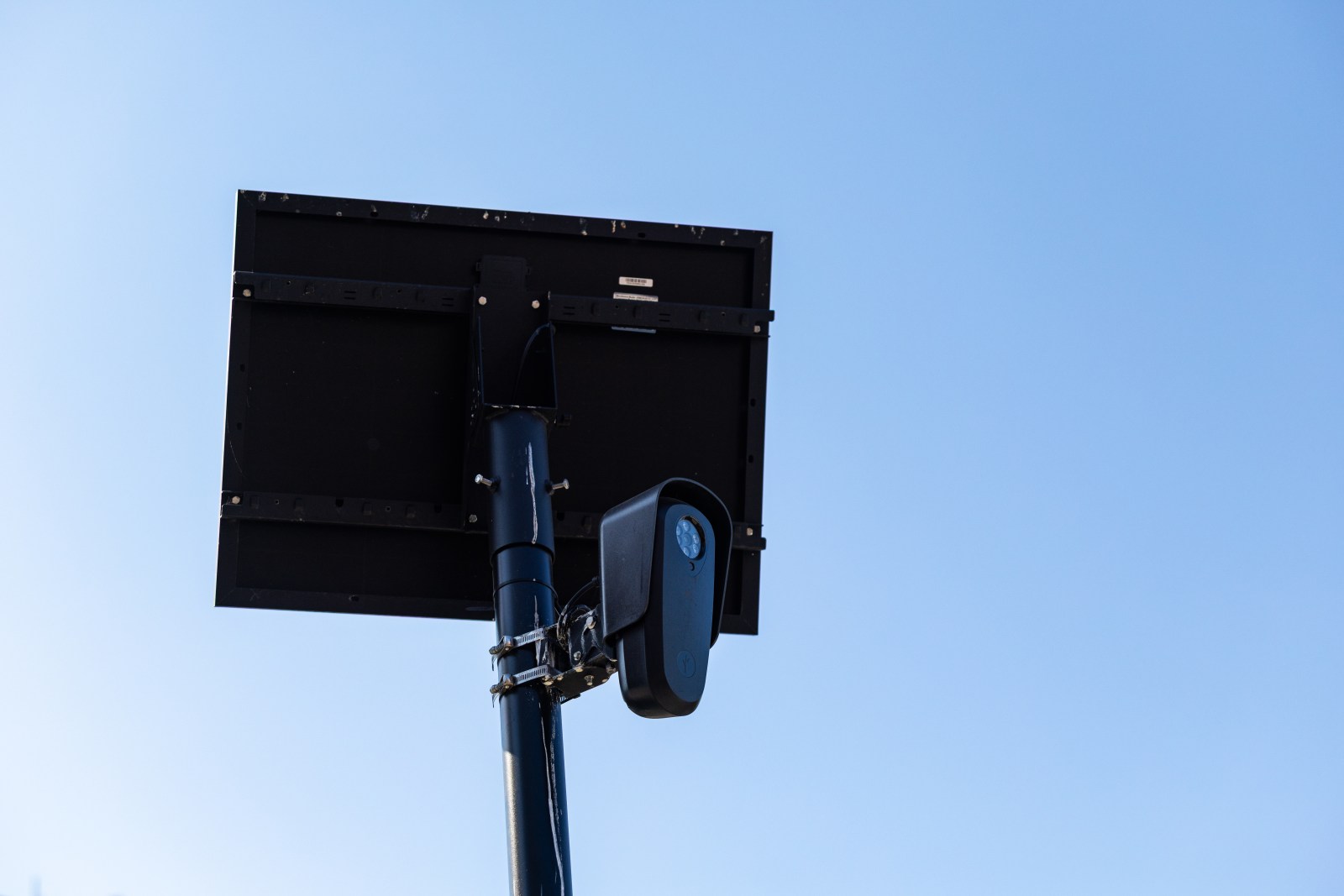
Across the U.S., some cities are reassessing Flock Safety’s automated license plate-reading cameras. Some local governments continue to use them, sometimes imposing stricter guidelines on data use. These decisions show a complex picture beyond simply supporting or rejecting surveillance. Officials in some areas advocate for cameras as they assist in solving crimes and finding missing people. Others retain them despite concerns about privacy and public opposition.
Some Cities Keep Cameras With New Limits
San Francisco decided to retain the cameras but introduced stricter limits on data use. Officers need approval from department leaders and a connection to an active criminal case to access data collected by automated license plate readers (ALPRs). While Flock’s data remains for 30 days, San Francisco police can keep their copies for a year.
Costa Mesa, California, maintained its contract with Flock amid resident opposition but demanded greater control over data sharing. The city operates 46 cameras. Police report the system helps in solving serious crimes. Concerned about privacy and data misuse, the council reduced data retention from 365 to 45 days and sought more oversight.
In August, Oklahoma City extended its contract for $270,000, keeping 90 cameras through June 2027. Officials claim the cameras aid serious crime investigations. The renewal limited federal data access and reduced data retention from 30 days to seven, with longer retention for active investigations. Annual reviews are planned.
Others Retain Cameras Despite Public Opposition
Evansville, Indiana, included funding for cameras in its 2027 budget despite privacy concerns. The police cooperate with federal entities like the FBI but don’t share data for immigration enforcement. Councilor Rita Taylor highlighted concerns about surveillance’s impact alongside public safety needs.
Similarly, College Station, Texas, renewed a one-year contract for 84 cameras. Despite public opposition, the council’s 4-2 vote proceeded. Discussions centered around safeguards and an independent audit amidst privacy concerns over data collection.
Dunwoody, Georgia, defends its camera use by highlighting their role in police investigations. Residents question whether the provided safeguards are sufficient against misuse.
Uncertain Paths for Some Cities
In Scottsdale, Arizona, officials opted to retain cameras while drafting new safeguards and considering other vendors. They have 85 cameras, beneficial in case resolutions but under scrutiny for privacy violations. The council will revisit on December 1.
Cleveland, Ohio, recently extended its Flock system for six months, seeking proposals from alternate providers. Unauthorized camera data access now faces increased penalties. Wider usage remains debated, with calls for a pause during policy reviews.
Privacy and Data Sharing Concerns
U.S. communities increasingly oppose Flock Safety’s ALPR cameras. Many local governments have canceled contracts or declined renewals over privacy and surveillance concerns, despite Flock’s nationwide expansion. According to DeFlock, an anti-surveillance group, 95 cities have rejected ALPR systems amidst these privacy debates.
Leave a Reply