Donald Trump’s approach to foreign policy parallels business strategies. He believes allies should justify their support and adversaries should face consequences unless they offer favorable terms for America. Despite his experience with The Art of the Deal and The Apprentice, Trump needs to recognize when he’s being misled.
Vladimir Putin is actively waging war in Ukraine and threatening America’s allies. At the same time, Kremlin-backed digital agents spread false news and try to manipulate American politics through disinformation campaigns. The White House suggests the Russian president might still be Washington’s best option for addressing America’s fuel crisis.
Recently, Trump negotiated a Russian diesel import deal with Moscow, poised to benefit Putin and disadvantage Ukraine, with minimal gain for Americans. However, Ukraine’s successful strikes on Russian data centers highlight its potential as a valuable ally for the United States.
Trump’s Diesel Decision
Trump’s solution to the fuel crisis seems desperate and benefits only one party. Following a conversation with Putin, Trump announced a diesel supply from Russia: 300,000 tons immediately, 500,000 tons in November, and another million later. The Treasury then eased sanctions on Russian diesel until April 2027, allowing direct imports.
The deal raises several concerns. Congress banned Russian energy imports in 2022, requiring Russia to cease hostilities and withdraw forces. Putin has not met these conditions. The Kremlin reports that Putin didn’t even discuss resuming peace talks with Trump. Additionally, Trump didn’t consult Congress before finalizing the deal, prompting bipartisan calls for its reversal.
Senate Minority Leader Chuck Schumer criticized it as “a deal with the devil.” This move contradicts Trump’s own demands that European allies cease buying Russian oil, and his threats against China and India for supporting the Kremlin financially. Trump previously enacted the Lindsey O. Graham Sanctioning Russia and Iran Act, enabling him to tighten Russia’s energy gains, but reversed the sanctions approach.
While some may justify hypocrisy for lower fuel costs, the numbers suggest disappointment. America requires about 3.6 million barrels of diesel daily. Russia’s 300,000-ton delivery equals around 2.25 million barrels—covering less than 15 hours’ demand. This assumes Putin delivers as promised, despite Ukraine’s drone strikes disabling 3.1 million barrels per day of Russia’s refining capacity, with disruptions expected until 2027.
Tension with Ukraine
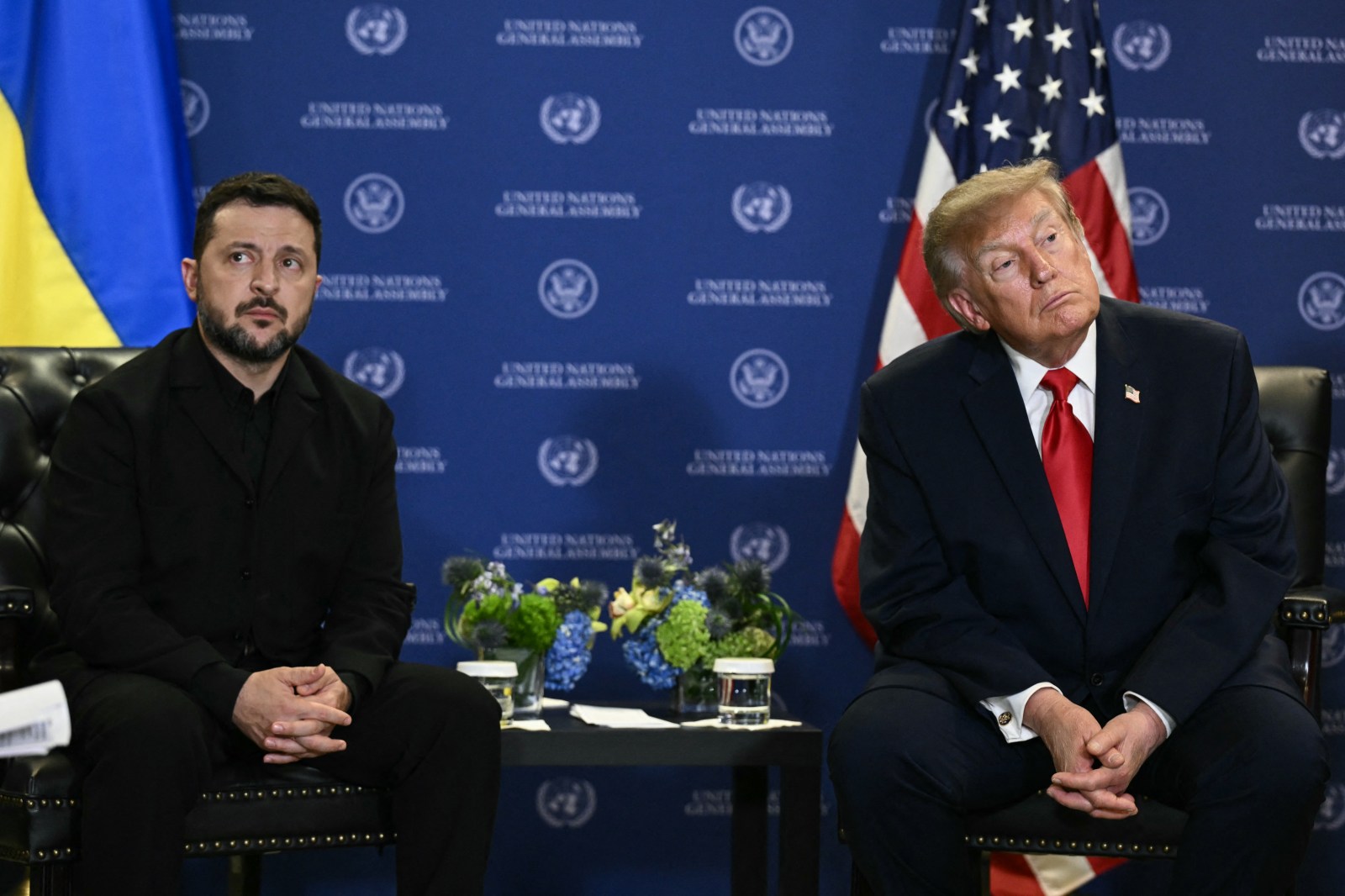
Ukraine suffers amidst this deal. Volodymyr Zelensky offered to cease strikes on Russian refineries if Russia stops attacking Ukraine’s energy sites. However, both assaults continued, sparking criticism from Zelensky on Trump’s agreement, to which Trump retaliated by suggesting Ukraine needs new leadership.
Kyiv faces a dilemma: abandon a potent weapon to maintain U.S. favor or antagonize a president vital for military and intelligence support. Meanwhile, Ukraine may have found new leverage: attacking Russian digital infrastructures.
Ukraine’s Strategic Digital Strikes
During Trump’s discussions with Putin, Ukraine was busy disrupting Russian digital assets beyond refineries. Between October 8 and 11, drones struck three data centers managed by Yandex, Russia’s dominant search engine. Yandex powers critical cloud computing and AI for numerous Russian businesses and serves millions monthly.
Following the strikes, Russian media reported major service disruptions for Yandex users, including payment issues and hindered taxi services, with business clients facing considerable operational setbacks. Yandex’s stock fell over 8 percent in early October, and recovery timelines remain uncertain.
Ukraine’s capacity to severely impact Russia’s digital backbone, affecting the economy and consumer sectors, indicates Kyiv’s potential influence. For years, Moscow has heavily invested in online projects to manipulate Western political narratives, mainly targeting the U.S. American authorities repeatedly found networks of fake accounts affiliated with Russian state entities.
In 2024, the U.S. Justice Department dismantled a Russian bot farm with 968 fictitious accounts linked to intelligence services. In the same year, 32 internet domains connected to Kremlin-driven campaigns aimed at USA voters were seized. These operations persist as midterms approach.
Graphika researchers revealed another campaign spreading falsified news and doctored videos against American politicians, including Senator Jon Ossoff, all with altered Western branding to appear credible.
Determining the influence of Russian campaigns on public opinion is complex, but their intention is clear. Russia aims to manipulate America’s political discourse, especially pre-election.
Ukraine’s Opportunity
Here lies a potential strategy for Kyiv. If Ukrainian intelligence can pinpoint Russia’s interference networks, Zelensky can direct drones to halt the manipulations. This capability offers the concrete contribution the White House seeks from partners: defending American interests over new aid requests.
While Putin presents Washington diesel, Ukraine offers to fortify America’s democratic fabric. However, Trump might not welcome this, as Russian-aligned campaigns tend to target Democrats. Why would Putin undermine a president facilitating diesel purchase, sanction lift, and public reprimand of Ukraine?
Leave a Reply