College athletics is currently experiencing significant challenges. There is a lack of clear rules, visible leadership, and the distribution of a substantial amount of money. Problems in regulating aspects such as name, image, and likeness (NIL) deals, athlete compensation, eligibility, and the transfer portal are evident. The Protect College Sports Act has been introduced in the Senate to address these concerns by establishing ground rules.
The Debate Over a Uniform Framework
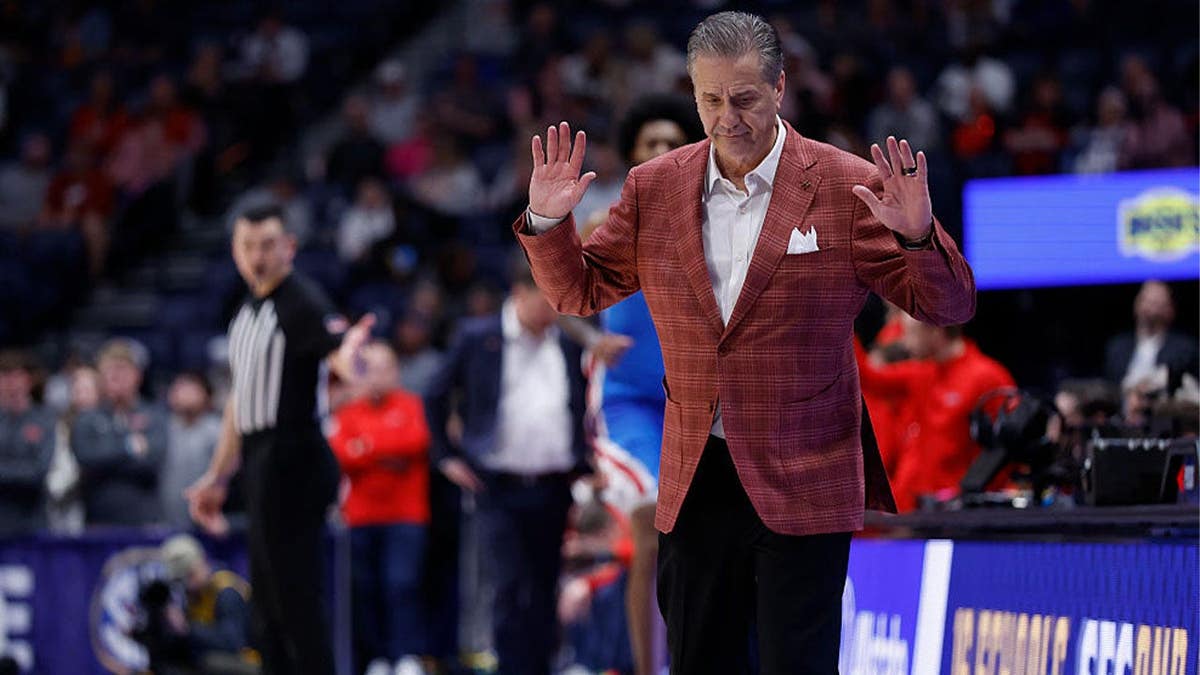
The need for a cohesive framework across collegiate sports is acknowledged. Differences arise, however, regarding the approach to athlete compensation. Opinions from government officials, athletic directors, coaches, and athletes vary. A notable example is Arkansas Razorbacks head coach, John Calipari. He publicly remarked that most of his players earn more than his assistant coaches, highlighting the financial disparities within his team.
Calipari stated, “Nine of my players make more than my assistants. The other three make more than all my staff, and we are not one of the highest payers.” This statement underscores the evolving pay dynamics in college sports.
Players vs. Coaches: Financial Discrepancies
Calipari earns approximately $8 million annually, yet notes the financial shifts observed among players and staff. Although he understand public concern over hefty NIL deals, he must navigate the existing college sports landscape. Despite his remarks, suggesting that coaches should match player compensation levels might not be well-received.
Fans attend events to watch athletes perform, rather than the coaches. Known examples in professional sports include spectators preferring to see players like Tom Brady in action. The emphasis on players contributing to the entertainment value further fuels the debate on fair compensation in college sports.
The Path Forward in College Sports
Addressing these issues might seem daunting given the complexities involved. While some view the changes in college sports as reaching a point of permanence, the involvement of the U.S. government signifies an effort to find solutions. Consensus on these matters remains elusive, yet the dialogue continues.
Leave a Reply