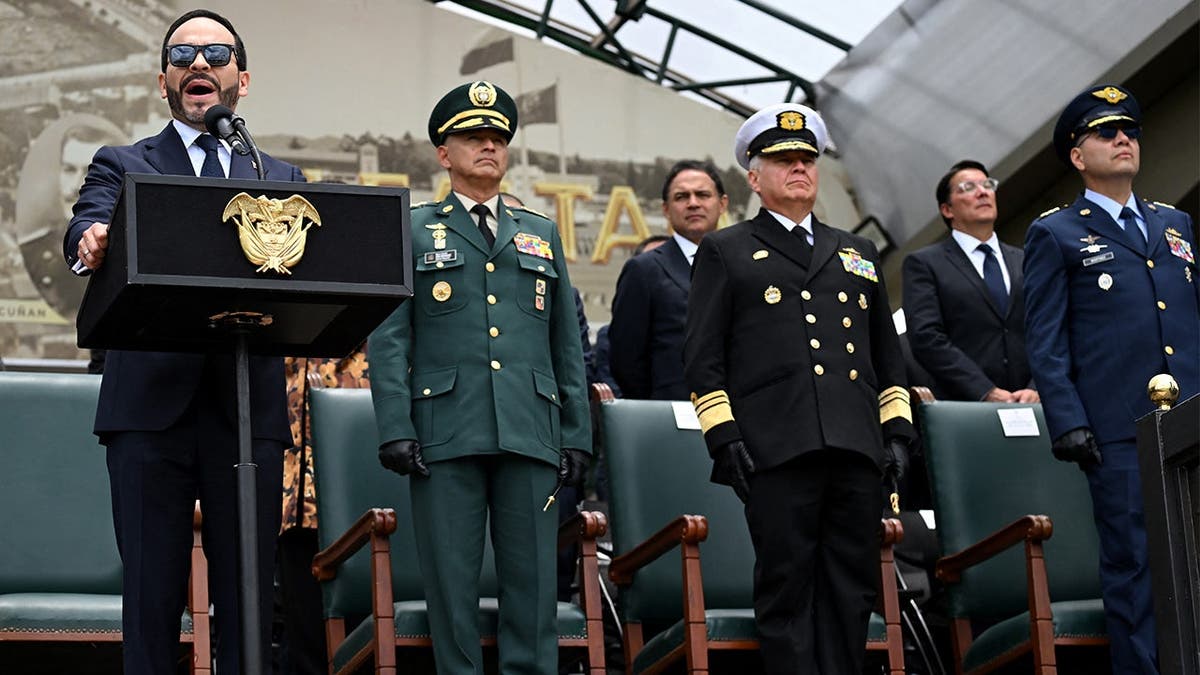
President Abelardo de la Espriella of Colombia is taking decisive action against the cartels. Known as ‘El Tigre,’ he was elected on a law and order platform and has shown results in Colombia and Washington.
Recently, Operation Blindaje 360 executed a large-scale raid across Barranquilla and its suburbs. At dawn, 587 police officers and soldiers stormed 50 locations. This followed the interception of a recording from ‘Keko,’ the leader of ‘Los del Freseo,’ who claimed de la Espriella had nothing on him. The president confronted Keko personally, leading to 72 arrests.
De la Espriella’s government plans to classify guerrillas, drug traffickers, and other criminal groups as terrorists. This marks a shift from prior policies and aims to address crime more aggressively. The administration is reversing past ‘total peace’ initiatives that focused on dialogue with armed groups.
In his first three months, the president has ended peace talks, ordered that all armed groups be treated as terrorist organizations, and monitored over 32,000 arrests. He collaborates closely with Washington, as Colombia has joined President Trump’s anti-cartel coalition.
The administration has handed over prominent figures, including Geovany Andrés Rojas, to the U.S. Rojas, also known as ‘Araña,’ was aligned with the Sinaloa Cartel. De la Espriella has emphasized that dialogue is a spent option and that military action will prevail.
Last month, he became part of Trump’s Shield of the Americas coalition. This coalition pledges financial aid and support, but Colombian forces, not U.S. troops, will lead operations.
Despite military successes, experts emphasize the need for a nuanced approach. Areas with minimal state presence allow criminal groups to flourish. Images of military actions may suggest progress, but lasting impact requires a sophisticated strategy.
Security expert Oscar Palma suggests that comprehensive strategies that combine negotiation and force, as shown in previous administrations, could yield safer conditions.
The discussion continues on whether the current approach will effectively reduce organized crime. Regardless, Colombia’s cooperation with the U.S. remains crucial in tackling cartel violence.
Leave a Reply