Many of the eating practices of American colonists have gained popularity again. They consumed minimally processed, locally sourced whole foods and included organ meats in their meals.
During the centuries leading up to the nation’s formation, European explorers and settlers introduced livestock and many Old World crops to North America.
According to the Center for the Study of the Presidency and Congress (CSPC), early settlers merged European cooking traditions with ingredients available in North America.
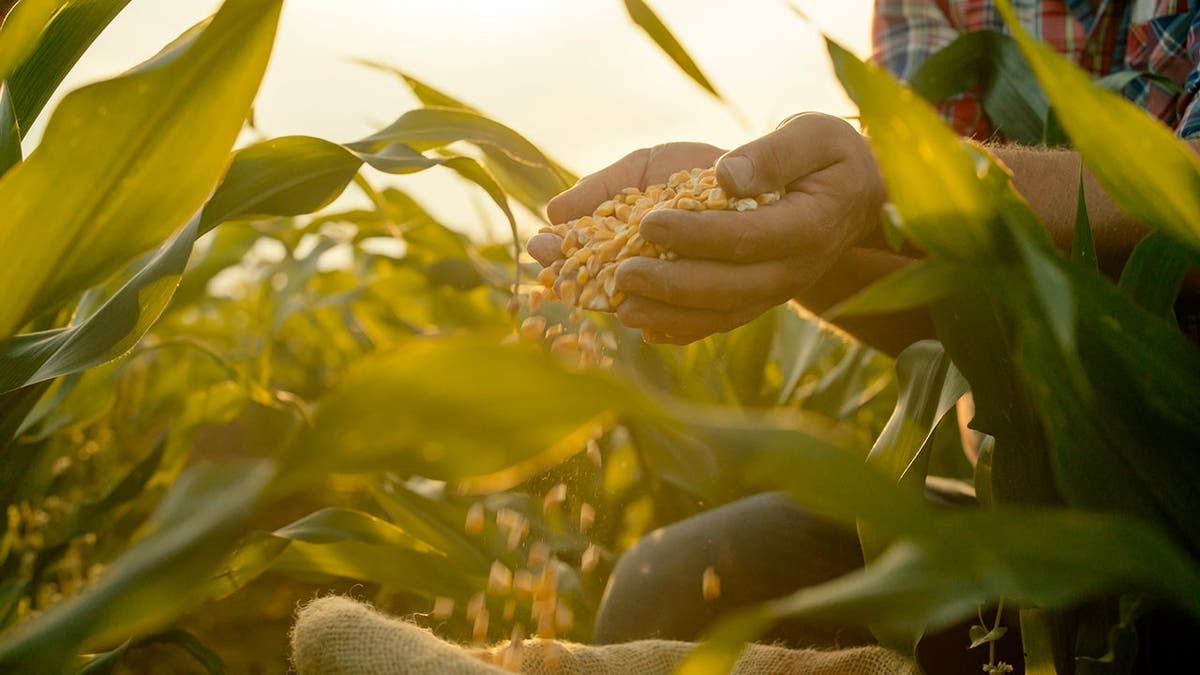
Indigenous peoples introduced corn to the colonists, becoming a core component in multiple recipes alongside beans, squash, and potatoes.
Cornmeal was used for dishes like hasty pudding, a thick porridge similar to polenta, and johnnycakes, simple griddle cakes popular from New England to the South, as noted by History Facts.
The CSPC offers recipes for Cornmeal Johnnycakes, roast pork, and cream cheese as distinctly early-American foods. Indigenous peoples taught settlers to cultivate corn, making it a dietary staple.
Regional customs and crops played a significant role in colonist diets. Rice and okra thrived in the South, influenced by French and African cuisines. Meanwhile, Dutch, English, and German immigrants shaped culinary traditions in the North.
Seafood, including rockfish and crab, was central to the diet of Maryland settlers, according to NPR.
Joyce White, a local food historian, explained that meat served as a status symbol. Beef was highly valued, and chickens were often kept for egg production.
Thomas Jefferson had refined tastes, favoring French wine and macaroni and cheese. His diet also included black-eyed peas, turnip greens, and ham.
Preserved fish and meats like bacon, sausage, liver pudding, and offal featured in the working-class diet, while the upper classes enjoyed white flour and sugar.
Recently, some Americans have rekindled interest in these traditional foods, aligning with diets focused on whole, minimally processed ingredients. The Make America Healthy Again movement endorses organ meats for their affordability and nutritional richness.
Stews were a common dish, evolving as ingredients became accessible.
Adrian Miller, author of “The President’s Kitchen Cabinet,” noted the colonists’ significant alcohol consumption, stating they were open about their drinking habits.
George Washington famously documented a recipe for “small beer” in a journal from his time as a militia colonel during the Seven Years’ War. The brewing process made it safer than water by eliminating bacteria, and it became a staple beverage.
While some aspects of the 1776 diet are beneficial, such as focusing on whole foods and less ultra-processed items, Lisa R. Young, a registered dietitian and NYU adjunct professor, advises caution against following it too literally today. She highlights the necessity-driven consumption of salted, preserved, and organ meats by colonists, not necessarily healthy by modern nutritional standards.
Young suggests focusing on the healthiest parts of colonial diets, including fruits, vegetables, beans, whole grains, fish, and lean proteins.
Young acknowledges emulating the Founding Fathers’ diet for a brief occasion, such as a week, but warns against regular consumption habits, especially heavy ale drinking prevalent among some Founders.
Teresa Mull writes for Fox News Digital’s Lifestyle team.
Leave a Reply