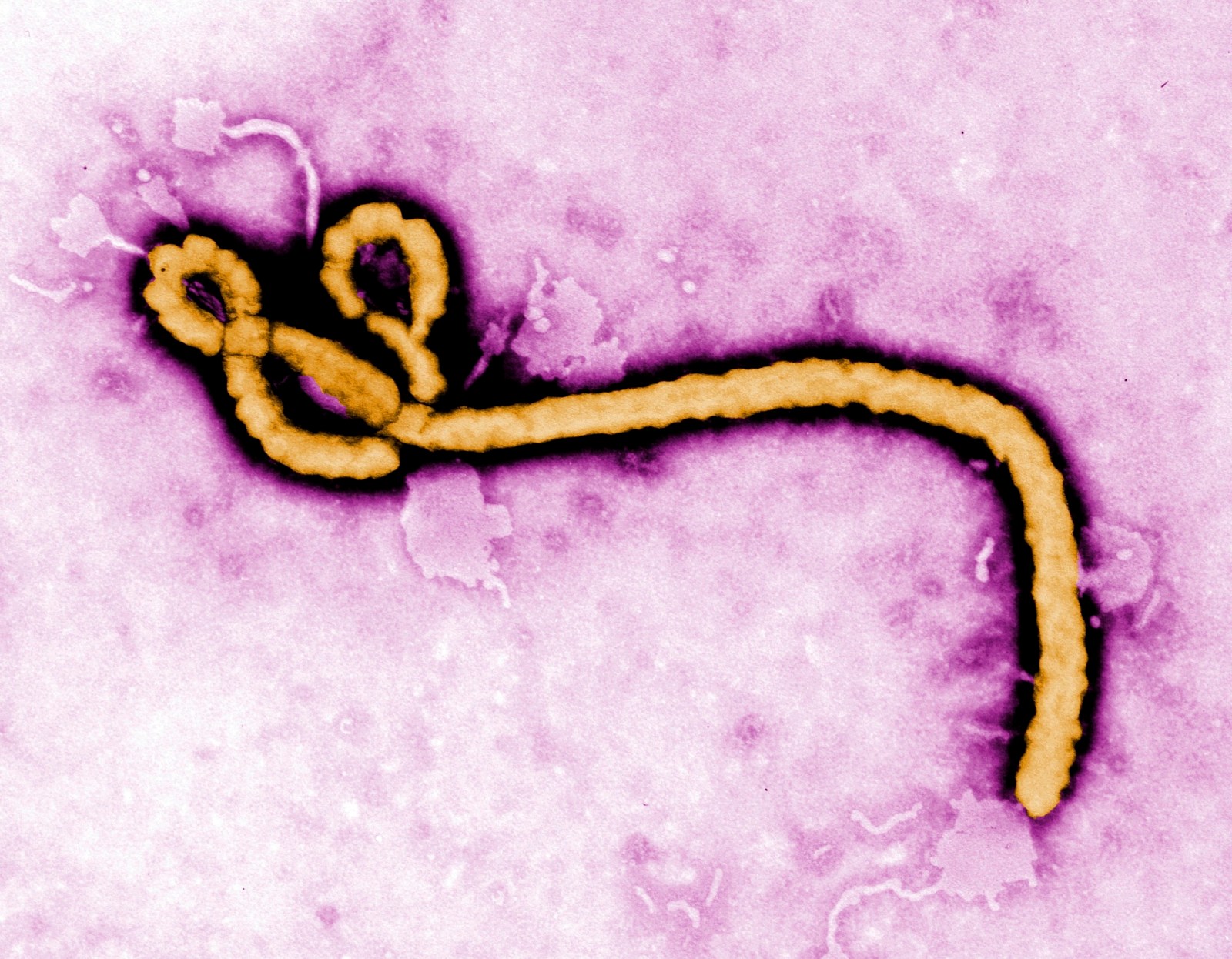
Ebola Exposure Raises Concerns
Recent potential exposure of Americans to Ebola in the Democratic Republic of Congo (DRC) and Uganda has spotlighted the virus’s dangers. It draws comparisons to the hantavirus outbreak that occurred aboard an Antarctic expedition ship, affecting primarily American passengers.
Current Developments and Statistics
A limited number of Americans might have been exposed while in DRC and Uganda. U.S. health officials are taking precautionary measures, especially after WHO declared the outbreak a global public health emergency. The DRC has witnessed 10 confirmed Ebola cases and 336 suspected ones, with 88 fatalities. Uganda has reported two confirmed cases and one death. Although the CDC assesses the risk to Americans as low, the situation warrants concern because of the virus’s high death rate.
In contrast, a recent hantavirus outbreak on the MV Hondius cruise ship linked 41 individuals to potential exposure. This outbreak requires monitoring, given that persons aboard or interacting with the ship may be indirectly at risk.
Differences in Virus Transmission
Both Ebola and hantavirus pose significant threats but spread differently. Ebola spreads through direct contact with infected bodily fluids, causing outbreaks to escalate without stringent control. Hantavirus typically spreads through contact with infected rodents, making human transmission rare.
Transmission Details
Both viruses infect humans via contact with infected animals. Hantavirus spreads through exposure to infected rodents’ droppings, urine, or saliva. Ebola often infects humans through contact with fluids from infected animals such as fruit bats and primates in rainforests. While Ebola can transmit between humans through bodily fluids, hantavirus human-to-human transmission is scarcely documented.
Comparing Fatality Rates
Both viruses have high mortality rates. Hantavirus can lead to cardiopulmonary syndrome with a 50% fatality rate, while Ebola rates vary from 25% to 90%. Despite the overlap, Ebola poses more significant risks due to its human transmission capability.
Symptoms and Development Timeline
Early symptoms of both viruses include fever, headache, and muscle aches but diverge during progression. Hantavirus leads to abdominal pain, nausea, and vomiting. Ebola symptoms include fever, fatigue, sore throat, vomiting, diarrhea, rash, and impaired kidney and liver functions.
Timeframe for Symptom Appearance
Hantavirus symptoms may take one to eight weeks post-exposure to appear, whereas Ebola symptoms typically develop within two to 21 days, allowing for quicker diagnosis.
American Risk Assessment
The CDC reports that the risk to Americans is low, with no current domestic cases of Ebola from this outbreak. The CDC is aiding international efforts, focusing on contact tracing and travel screenings. Travel advisories exist for the DRC and Uganda, emphasizing vigilance for symptoms post-exposure and isolation if affected.
Lawrence Gostin of Georgetown University expresses concern over the CDC capability due to staff and funding cuts, citing risks tied to international travel hubs. Dr. Paul Spiegel of Johns Hopkins stresses that despite the current low risk, Americans should remain aware because of potential local transmission challenges if Ebola arrives domestically.
Global Implications of Ebola Outbreaks
Ebola draws heavy international scrutiny due to rapid spread potential, especially in areas with limited healthcare resources. Successful containment requires detailed contact tracing, isolation, and protection strategies to prevent person-to-person transmission. Global organizations monitor these outbreaks for threats of cross-border transmission, given their impact on travel.
Historical Context
Ebola has precipitated numerous African outbreaks over decades, occasionally evolving into significant health crises. While some isolated cases have occurred beyond Africa, sustained transmission has stayed mostly confined within the continent according to CDC data.
Leave a Reply