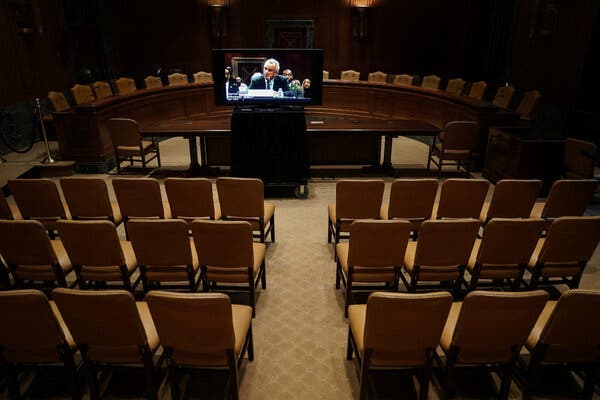
The recent removal of key leaders from the U.S. Preventive Services Task Force has raised significant concerns about the integrity and future direction of preventive healthcare recommendations in the United States.
Last week, Health Secretary Robert F. Kennedy Jr. dismissed Dr. Michael Silverstein and Dr. John Wong, leaders of the influential U.S. Preventive Services Task Force. This panel is crucial in shaping guidelines for preventive measures such as cancer screenings. The dismissal came with scant explanation, cited in a letter by Mr. Kennedy as a move to ‘protect the integrity of the task force’s work.’
Dr. Silverstein, who had served as chair until his planned departure in March, and Dr. Wong, who was one of the two individuals fired, had anticipated such an event since the Supreme Court decision, which affirmed that U.S. health secretaries have the authority to remove task force members at will. Mr. Kennedy had previously expressed his disapproval of the organization, delaying its meetings, obstructing new initiatives, and suppressing guidelines, including those critical for cervical cancer screening.
This action is not without precedent; Mr. Kennedy has previously dismissed health experts and involved politics in what should remain independent health advisory panels. The implications could be substantial, considering the U.S. Preventive Task Force’s role in recommending screenings and preventive medications that save tens of thousands of lives annually and are essential for insurance coverage decisions. Recommendations such as those for medication to prevent HIV transmission target high-risk populations and could drastically reduce new cases.
There is an apprehension that political interference could lead to the rollback of evidence-based recommendations or adoption of unproven and potentially harmful strategies. Mr. Kennedy has already advocated controversial treatments for autism and measles, raising concerns that his influence might extend to dietary supplements or red meat recommendations and financially benefit his associates.
The U.S. Preventive Services Task Force consists of 16 members, unpaid experts with substantial experience in primary care. However, vacancies have accumulated over recent months, as members completed their terms without being replaced. With the recent firings by Mr. Kennedy, there are now eight open positions. There have been recent moves to fill these vacancies.
Leave a Reply