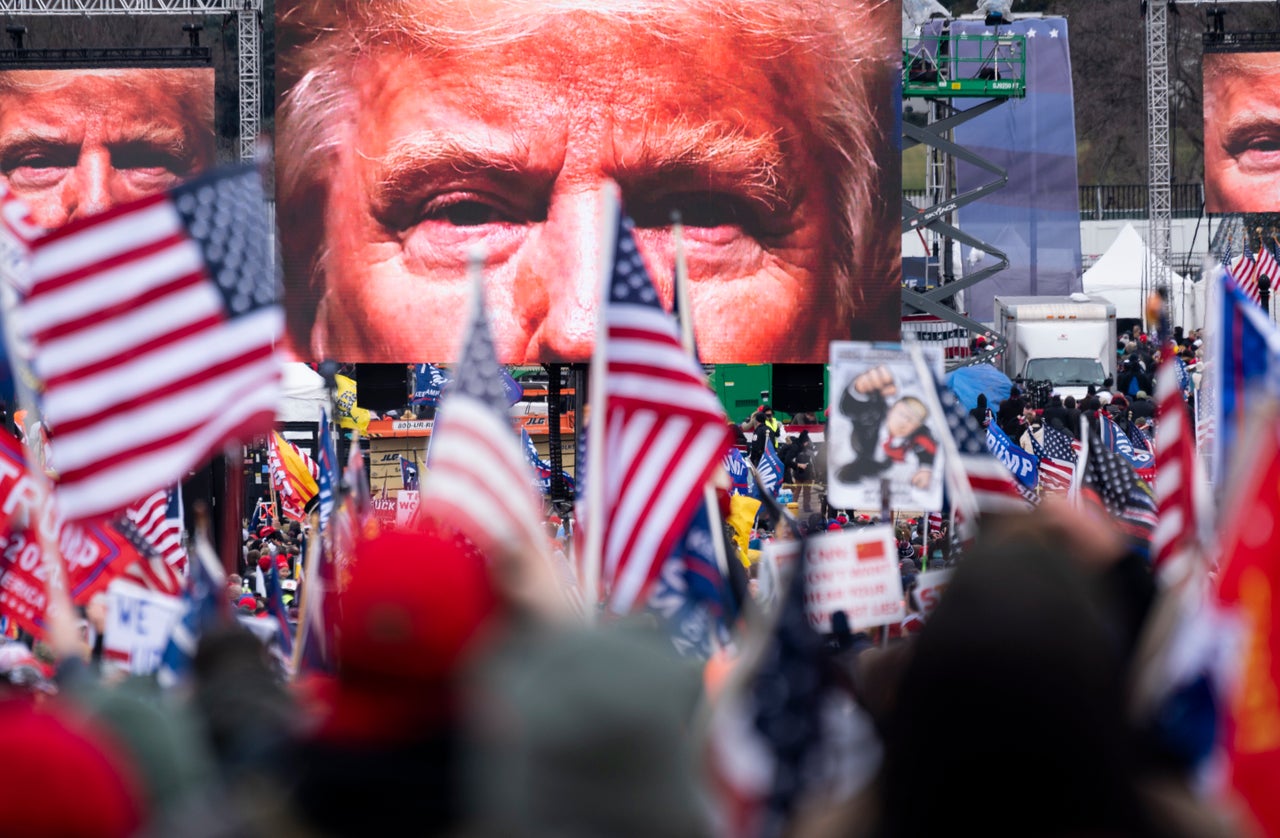
As the United States anticipates the results of the midterm elections, a prevailing concern remains unaddressed: the potential for Donald Trump to dismiss the outcome and misuse his authority to alter the results. Despite assurances from legal experts that the Constitution does not grant a president a role in running state elections, there is worry due to past incidents. The Constitution also does not permit a president to incite violence against the Capitol, yet Trump is alleged to have done so after the 2020 election loss.
Ty Cobb, who served as a lawyer in the White House Counsel’s office during Trump’s first term, expressed concern over Trump’s authoritarian tendencies, stating, “He was willing to tolerate the hanging of his vice president in 2020. Power is even dearer to him now. Real violence is a possibility.” Trump’s recent actions have demonstrated a willingness to stretch or break the law, resulting in deadly consequences.
He has deployed federal agents to cities against local objections, pursued undocumented immigrants with aggressive tactics, and initiated military action against Iran without congressional consent. He has also ordered extrajudicial killings at sea. Fears persist that he might resort to illegal methods to maintain Republican control over Congress. Reports suggest allies have advised him to declare martial law if necessary, and he has expressed regret for not seizing ballots illegally after losing the 2020 election.
Asked about accepting the midterm results, Trump stated, “Of course I will, but we don’t want cheating.” When further queried, he reiterated concerns about cheating but didn’t clarify what would constitute cheating.
Democracy advocates emphasize the importance of legal processes, pointing to previous failures by Trump’s Department of Justice to leverage the law for political gain. Norm Eisen, a legal figure in the pro-democracy movement, expressed confidence that attempts to undermine the elections would be defeated once more through legal and democratic channels.
Others, such as Stephen Richer, former election official in Maricopa County, Arizona, recognize the dangers posed by potential threats to election integrity. Richer recounted how armed groups disrupted the election process in Phoenix following Trump’s loss in Arizona, challenging his belief in American norms.
During Trump’s presidency, key officials refused to support attempts to overturn the 2020 election results. The departure of these officials has heightened concerns, with seats now occupied by Trump loyalists who might align with his election narratives. A Republican intimate with the White House expressed alarm at the absence of dissenting voices among current advisors.
“There’s no one left. The serious people are all gone,” they remarked.
Trump has frequently attacked the integrity of U.S. elections, starting with his claims of fraud in the 2016 Iowa Republican caucuses where he lost to Sen. Ted Cruz. His dissatisfaction with losing that election led him to contest its legitimacy, and this pattern continued through subsequent elections.
After becoming president, Trump was perturbed by Clinton’s popular vote lead and promoted conspiracy theories regarding fraudulent voting by undocumented immigrants. His task force found no evidence to support these allegations and concluded without results. As Trump campaigned for reelection, he criticized mail-in ballots which he previously used, and claimed they enabled mass voter fraud linked to foreign adversaries.
As his loss in 2020 became apparent, Trump consistently alleged the election was stolen. He pursued recounts, court challenges, and attempted to prevent certification of the results, leading to the events of January 6, 2021. Amanda Carpenter of Protect Democracy shared that Trump’s actions on that day were evident attempts to incite violence against the legal transition of power.
The Jan. 6 event resulted in injuries to law enforcement and deaths, yet Trump delayed asking supporters to disperse. His ongoing refusal to denounce the actions leading to this assault on democracy worries advocacy groups as Trump continues to undermine public trust in U.S. elections.
Trump’s rhetoric undermining election rigor has persisted, including implausible claims of victories in states such as California and Minnesota, which stand contradicted by actual election results. Richer highlighted the potential for Trump to misapply presidential authority to disrupt election processes.
Walter Olson from the Cato Institute emphasized that while legal experts maintain faith in democratic principles, societal mobilization is required to address total breakdowns in governance.
The anonymous Republican suggested that key GOP figures, including Senate Majority Leader John Thune and House Speaker Mike Johnson, should defend democratic integrity by challenging Trump’s chaos-inducing strategies. Both could potentially shape their political legacies by choosing national interest over partisan allegiance during the critical forthcoming period until the new Congress is seated.
Leave a Reply