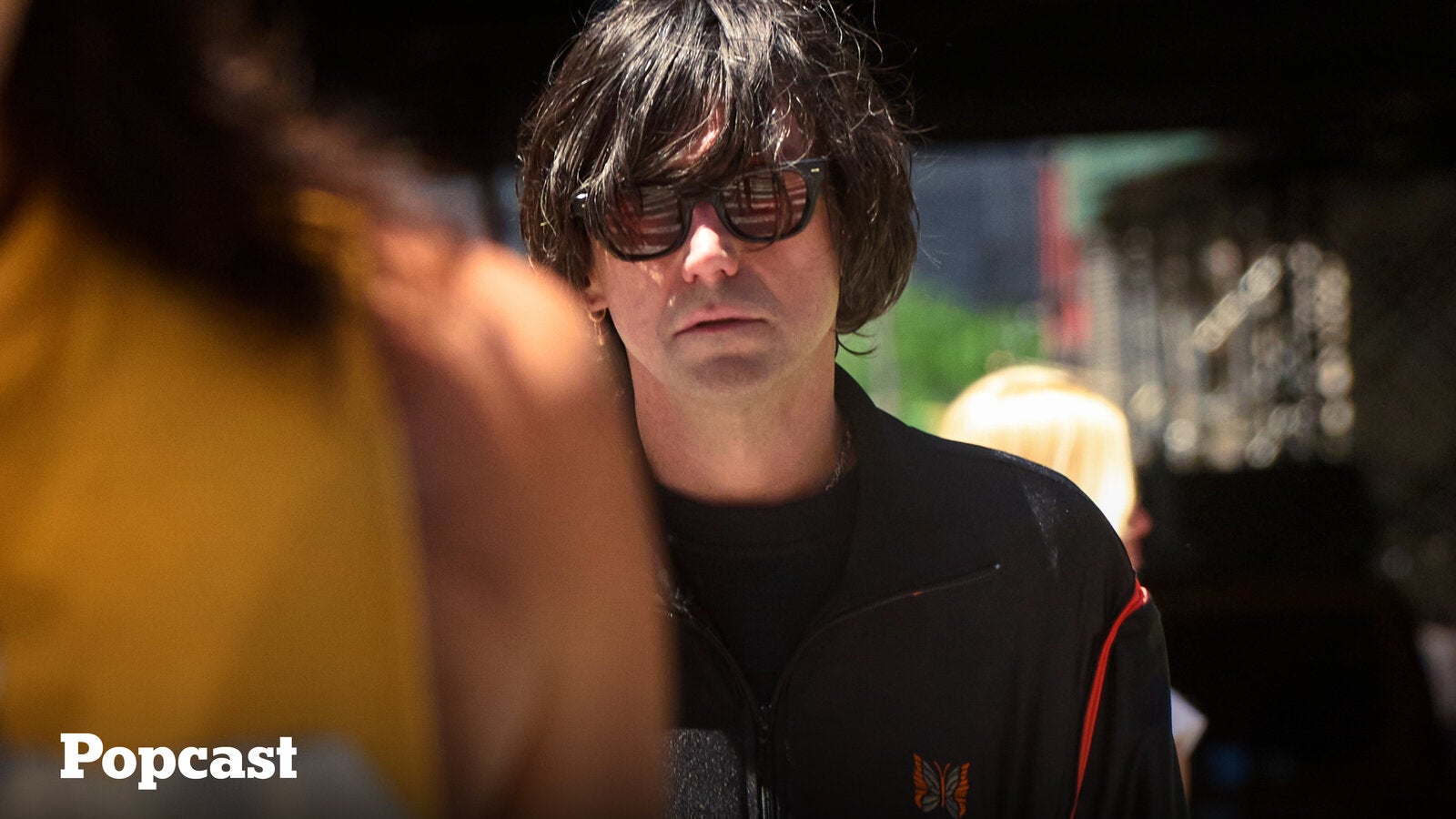
Conor Oberst, known for his role as the frontman of Bright Eyes, has navigated a complex career since his early teens. He defies the typical narrative reserved for former child stars like Michael Jackson or Britney Spears. Starting at age 12, Oberst’s folk music became the foundation for bustling businesses, casting him as an unexpected face of indie rock in the 2000s.
Oberst, now 46, shared in an interview on Popcast, The New York Times’ culture program, how his youth played a significant role in shaping his public persona. “Definitely everything that was ever written about me or our bands, forever, started with ‘wunderkind’ or some reference to how young I was,” he revealed.
Spearheading the D.I.Y. independent music scene in Omaha, Oberst propelled Saddle Creek Records into the spotlight. His prolific output, along with the label’s reach, has left an indelible mark on artists across genres such as emo, punk, and Americana.
For more than thirty years, Oberst lived the life of an itinerant rock star. He found himself frequently grappling with his legacy. In 2024, he faced grave challenges with substance abuse and mental health. These struggles nearly claimed his life. Oberst discussed how the public scrutiny of his personal woes led him to a newfound sense of purpose. This clarity fueled his return to music.
Following a period of personal turmoil, Oberst spent time writing and recording music near Paris, describing the experience as “magical.” To commemorate the 21st anniversary of his seminal 2005 albums, “I’m Wide Awake, It’s Morning” and “Digital Ash in a Digital Urn,” he took Bright Eyes on a celebratory tour.
In his discussion with Popcast hosts Jon Caramanica and Joe Coscarelli, Oberst delved into the pressures of being a niche icon. He spoke about his journey to rediscovering a will to live and how aging amid American turmoil has led him to reassess his musical path.
Leave a Reply