A Black conservative filmmaker is questioning the Smithsonian’s lack of public screenings for his documentary, which challenges progressive views on race. Eli Steele directed and co-produced White Guilt, based on a book by his father, Shelby Steele, a noted Black conservative academic.
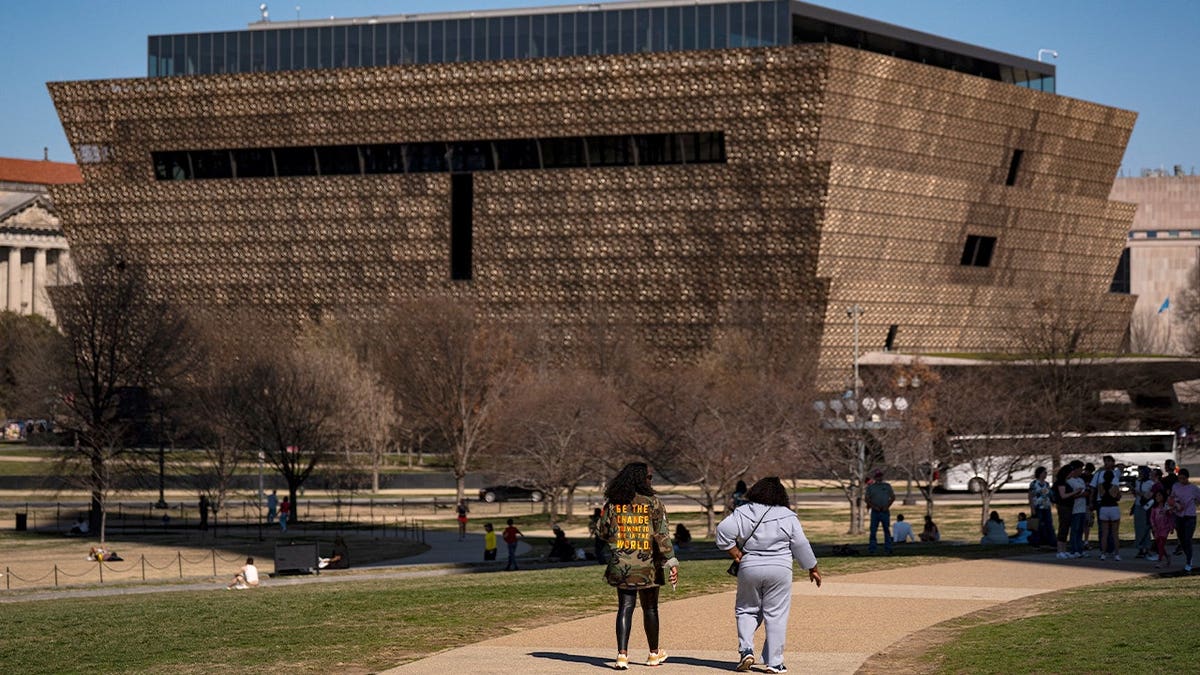
The documentary argues that fear of being labeled racist has led institutions to prioritize racial identity over individual merit. Steele, who is Black, Jewish, and deaf, has reached out to the Smithsonian’s African American history museum for a public screening but received no commitment.
The Smithsonian is under pressure from President Donald Trump’s administration, which accuses it of ideological bias. Allegations claim the institution promotes progressive narratives, with threats of restricted federal support if changes are not made. Such criticisms align with broader concerns about ideological representation in museums.
The film is professionally shot, the quality is there. A comparable film that they’ve shown is 13th, which itself is a controversial film,” Steele commented.
The museum has hosted films with progressive narratives before, yet Steele’s requests remain unanswered. He compares his work to documentaries like 13th, which critiques the 13th Amendment’s role in racial control, claiming it preserved systemic racism post-slavery.
Films like Hidden Figures and I Am Not Your Negro have seen public screenings at the museum. Steele questions the apparent pattern of selectively screening particular viewpoints. While avoiding direct accusations, he expresses concern over the possible ideological bias.
Other Black conservatives, like retired professor Carol Swain, note a shift in academia towards excluding conservative voices, especially Black conservatives. Swain emphasizes that open discourse in institutions like the Smithsonian should be a norm, yet finds this lacking.
Wall Street Journal columnist Jason Riley echoes Swain’s views, suggesting the Smithsonian’s leadership may favor liberal narratives. As Steele probes for potential bias, Riley indicates a vested interest in maintaining a particular narrative.
Steele’s documentary challenges assumptions about racial dynamics and questions whether progressive policies effectively assist Black Americans. Supporters argue that showing the film at the National Museum of African American History and Culture can foster engagement with diverse viewpoints.
In correspondence reviewed by Fox News Digital, the Smithsonian offered Steele private screening options at a cost, yet no public screening dates were available. While the museum didn’t explain its decision, Steele’s team awaits a response to their inquiries.
Professors and commentators argue that Steele’s film delivers thought-provoking content worthy of public discourse. Glenn Loury of Brown University highlights the film’s narration and relevant themes as valuable for discussion across political ideologies.
The filmmaker and his team continue to seek a platform for their documentary, believing the Smithsonian is the appropriate venue. With ongoing inquiries and efforts, they hope for a resolution that fosters open conversation about race and identity.
Leave a Reply